Struggling to Shed Pounds Despite Diet and Exercise?
Discover how poor sleep sabotages your weight loss. You miss out on hormone balance-like ghrelin and leptin-that controls hunger. Sleep deprivation spikes insulin resistance and cravings, tanks exercise recovery, per key studies from the American Journal of Clinical Nutrition.
- Master hormone regulation
- Boost metabolism
- Optimize sleep hygiene
- Debunk myths for lasting results
Unlock the science-backed strategies inside-transform your nights for breakthrough weight loss in 2026!
How Sleep Regulates Hormones
Your body releases 28% more ghrelin, the hunger hormone, after just 2 nights of 4-hour sleep restriction. Sleep acts as a conductor for four key hormones that directly influence weight loss: ghrelin, leptin, cortisol, and insulin. Poor sleep disrupts this balance, leading to increased appetite and fat storage.
During deep sleep and REM stages, these hormones align to support metabolism and energy expenditure. Sleep deprivation throws off this rhythm, slowing basal metabolic rate and promoting overeating. Experts recommend prioritizing sleep quality to optimize these fat burning hormones.
Consider a simple diagram here showing hormone levels after 8 hours vs 5 hours of sleep: ghrelin spikes high with short sleep, leptin dips low, cortisol rises sharply, and insulin sensitivity drops. This visual highlights the link between sleep and weight loss. Restorative sleep helps restore balance for better appetite control.
To improve hormonal regulation, focus on consistent sleep duration and hygiene practices like a cool, dark room. This supports circadian rhythm alignment, enhancing insulin sensitivity and reducing nighttime snacking urges. Track progress with a sleep diary for personalized insights.
Ghrelin and Leptin Balance
Sleep deprivation spikes ghrelin by 28% while cutting leptin by 18%, making you 24% hungrier per Chicago study. Ghrelin signals hunger from the stomach, rising when sleep is short. Leptin, produced by fat cells, tells the brain you are full, but it falls with fatigue.
This imbalance causes the stomach to empty slower, amplifying cravings. Your brain then ignores fullness cues, leading to overeating. Research suggests this shift drives poor sleep weight gain in many people.
After just 4 hours of sleep, subjects ate 300 extra calories at a buffet, choosing high-fat options. This real example shows how sleep deprivation fuels emotional eating and food cravings. Nighttime snacking becomes harder to resist without proper rest.
For balance, eat a protein-rich dinner with at least 30g protein and set a 10pm eating cutoff. This stabilizes ghrelin overnight and boosts leptin sensitivity. Pair with sleep hygiene like limiting blue light to enhance melatonin production.
Include a hormone balance chart here: columns for 8hr sleep (ghrelin low, leptin high) vs 5hr sleep (ghrelin high, leptin low), with arrows showing hunger impact. Use this to visualize changes in your weight loss journey.
Sleep Deprivation’s Metabolic Impact
Poor sleep deprivation sabotages fat burning at the cellular level. It disrupts key processes that regulate energy use and storage. This makes weight loss harder even with diet and exercise.
One week of 5-hour nights drops your resting metabolism noticeably. Your body burns fewer calories at rest as basal metabolic rate slows. Research from Nedeltcheva study (2010) highlights this effect on energy expenditure.
Sleep quality affects hormones like ghrelin and leptin, which control hunger. Short sleep raises ghrelin, boosting appetite and overeating. It also elevates cortisol, the stress hormone that promotes fat storage around the midsection.
To counter this, prioritize sleep hygiene with a consistent bedtime and dark room. Combine with sleep tracking using devices like Oura ring to monitor deep sleep and REM stages. Restorative sleep supports metabolic rate for better fat loss.
Insulin Resistance Effects
5 nights of 4-hour sleep impairs insulin sensitivity sharply. Your body needs more insulin to manage glucose, leading to higher blood sugar. This shift favors fat storage over burning.
Poor deep sleep triggers a cascade: glucose intolerance builds, then excess fat storage follows. This creates a weight gain plateau despite calorie deficits. Prediabetic patients often see unwanted pounds from such sleep loss.
Insulin resistance worsens hunger hormones, increasing nighttime snacking. It disrupts circadian rhythm, affecting glucose metabolism all day. Experts recommend morning sunlight to reset your internal clock and boost sensitivity.
Try berberine at 500mg daily alongside sunlight exposure. This combo aids insulin sensitivity and supports fat oxidation. Pair with sleep optimization tips like avoiding blue light before bed for lasting improvements in weight management.
Appetite Control and Cravings
Sleep-deprived people choose carbs and sweets 45% more often and consume 600 extra calories daily. This happens because sleep deprivation disrupts hunger hormones like ghrelin and leptin. Poor sleep quality makes it harder to resist overeating and nighttime snacking.
Research from a Columbia University sleep restriction trial shows how limited sleep amps up food cravings. Participants faced stronger urges for high-calorie foods after short nights. This links directly to the connection between sleep and weight loss.
Four main craving triggers stem from sleep loss. First, frontal cortex impairment weakens decision-making, leading to impulse eats. Second, amygdala activation heightens reward-seeking for sugary treats.
- Cortisol spikes promote fat storage and appetite.
- Leptin resistance fools the body into feeling hungry despite full calories.
Counter these with practical steps like chromium picolinate at 200mcg daily to stabilize blood sugar. Try a 3pm protein snack, such as Greek yogurt with nuts, to curb afternoon hunger. Wear blue-blocking glasses after 8pm to protect melatonin and improve sleep cycles.
Exercise Performance and Recovery
7-9 hours of sleep boosts workout performance via higher growth hormone release. This hormone supports muscle repair and fat metabolism during rest. Better sleep quality enhances overall training results in your weight loss journey.
A CrossFit athlete added strength to their deadlift and shed fat after focusing on sleep optimization. Such examples show how restorative sleep ties into exercise recovery and fat loss. Prioritizing sleep cycles improves strength gains and energy for workouts.
Sleep deprivation hampers muscle recovery and increases injury risk during heavy lifts. Experts recommend aligning sleep duration with training demands for sustainable weight management. Consistent deep sleep stages promote protein synthesis essential for body composition changes.
| Sleep Hours | Strength Gain | Fat Oxidation | Recovery Time |
|---|---|---|---|
| Under 6 hours | Minimal | Low | Prolonged |
| 7-9 hours | Optimal | Enhanced | Faster |
| Over 9 hours | Plateau | Stable | Adequate |
Training tips include allowing 48 hours recovery between heavy lifts with at least nine hours of sleep. Drink 8 ounces of tart cherry juice before bed to ease inflammation and support muscle repair. These steps integrate sleep hygiene with exercise for better fat oxidation and weight loss.
Scientific Studies and Evidence
Research from top institutions shows a clear link between sleep and weight loss. Experts highlight how sleep duration affects fat loss, hunger hormones, and metabolism. Here’s the evidence from key clinical trials.
Over 30 RCTs confirm sleep extension alone produces 55% more fat loss than diet alone. These trials control calories while varying sleep hours. Participants with better sleep quality see improved ghrelin and leptin balance.
Trials emphasize deep sleep and REM stages for fat oxidation and insulin sensitivity. Poor sleep raises cortisol, promoting visceral fat storage. Optimizing sleep hygiene supports sustainable weight management.
Practical takeaway: Track sleep with wearables like Oura ring for patterns. Combine consistent bedtimes with diet for better appetite control. This approach aids body weight management in daily life.
Key Clinical Trials
University of Chicago (2010): 5.5 vs 8.5hr sleep led to 55% less fat loss despite same calories. Sleep gained 3.3lbs fat vs 1.7lbs diet group. This trial underscores sleep deprivation’s impact on metabolism.
These studies reveal how sleep cycles influence energy expenditure. Shorter sleep disrupts circadian rhythm, slowing basal metabolic rate. Longer sleep boosts restorative processes like protein synthesis.
Findings guide practical steps, such as avoiding screen time before bed to enhance melatonin production. Pair with sleep tracking apps for personalized insights. This supports weight loss journeys effectively.
| Study | Year | N | Intervention | Weight Loss Result | PMID |
|---|---|---|---|---|---|
| Chicago | 2010 | 10 | 5.5 vs 8.5hr sleep | 55% less fat loss | 20091538 |
| Nedeltcheva | 2012 | 15 | Sleep restriction + calories | Reduced fat loss | 22408048 |
| Tasali | 2022 | 12 | Sleep extension | Increased fat loss | 35703272 |
| Brigham Women | 2022 | 20 | Habitual vs extended sleep | Better body comp | 35441661 |
| Eastern Virginia | 2021 | 18 | Sleep intervention | Improved metabolism | 34274950 |
Practical Sleep Optimization Strategies
These 7 evidence-based strategies improve deep sleep and reduce wake time. Experts rank them by impact on sleep quality and their role in the link between sleep and weight loss. Follow these for better metabolism and appetite control.
Start with sleep hygiene basics to set your circadian rhythm. Next, focus on supplements like magnesium glycinate for relaxation. Track progress with wearable devices such as Oura ring or Fitbit.
Combine strategies with consistent bedtime routines. This supports fat loss by balancing hunger hormones like ghrelin and leptin. Adjust based on your chronotype, whether morning lark or night owl.
Power naps under 30 minutes aid exercise recovery without disrupting nighttime sleep. Pair with intermittent fasting for synergy in glucose metabolism. These steps enhance restorative sleep for sustainable weight management.
Sleep Hygiene Best Practices
Perfect sleep hygiene boosts deep sleep compared to poor habits, as seen in Oura data patterns. These 8 ranked practices optimize your bedroom environment for weight loss journey success. They cut sleep deprivation effects on cortisol and overeating.
Maintain a cool room at around 65 degreesF to promote slow-wave sleep. Avoid screens 90 minutes before bed to protect melatonin production. Consider magnesium glycinate at 400mg for muscle relaxation.
- Cool room (65 degreesF) lowers core temperature for faster sleep onset.
- Zero screens 90min pre-bed reduces blue light exposure.
- Magnesium glycinate 400mg calms nerves and aids REM sleep.
- 4-7-8 breathing slows heart rate for quick relaxation.
- White noise 50dB masks disruptions for steady sleep cycles.
- No caffeine post 2pm prevents caffeine effects on sleep.
- Glycine 3g improves sleep depth and next-day energy.
- Lavender.5ml via aromatherapy eases into rest.
Before these changes, many face fragmented sleep with high wake times. After, users report smoother transitions to deep sleep stages. This supports basal metabolic rate and reduces nighttime snacking.
| Sleep Hygiene | Before | After |
|---|---|---|
| Awake Time | High interruptions | Minimal wake-ups |
| Deep Sleep | Shallow stages | Extended duration |
| Overall Quality | Restless nights | Restorative rest |
Creating a Weight Loss Sleep Routine
Follow this 21-day protocol: Week 1 baseline, Week 2 hygiene, Week 3 optimization. This plan builds better sleep quality to support weight loss by aligning your circadian rhythm with fat burning hormones. Track progress daily to notice links between restorative sleep and appetite control.
Start with a daily checklist for consistency. Include items like logging sleep duration and hunger levels each morning. This routine reduces sleep deprivation effects on ghrelin and leptin, helping curb overeating.
Prepare a shopping list upfront: magnesium supplements, blue light blockers, white noise machine. Add chamomile tea and lavender for bedroom environment tweaks. These tools enhance deep sleep and REM sleep stages vital for metabolism.
Expect gradual shifts like longer sleep duration and less nighttime snacking. Many see improved insulin sensitivity and energy expenditure by week three. Use this as your weight management guide foundation.
Days 1-7: Track Your Baseline
Begin by monitoring current habits without changes. Keep a sleep diary noting bedtime, wake time, and wake-ups. Log hunger hormones cues like cravings before bed to spot poor sleep weight gain patterns.
Daily checklist:
- Record sleep start and end times.
- Note meals and any midnight snacks.
- Rate energy and mood on a 1-10 scale.
- Track weight and waist circumference mornings.
This builds awareness of sleep cycles impact on basal metabolic rate.
Avoid caffeine after noon and limit screen time. Use your phone’s notes app for quick entries. Baseline data reveals how sleep debt fuels emotional eating.
By day’s end, review entries for trends. This sets the stage for hygiene tweaks, linking sleep tracking to sustainable weight loss.
Days 8-14: Implement Core Sleep Hygiene
Introduce basics to boost sleep hygiene. Set a consistent bedtime and wake-up time, even weekends. Dim lights at 9:30pm to support melatonin production and circadian rhythm.
Daily checklist:
- Wind down with no screens after 9pm using blue blockers.
- Sip chamomile tea at 9:45pm.
- Take magnesium supplement for muscle relaxation.
- Bed by 10pm in a cool, dark room.
These steps cut blue light exposure, aiding slow-wave sleep for fat oxidation.
Incorporate 4-7-8 breathing before bed. Pair with white noise machine to drown out disruptions. Focus on room temperature around 65 degreesF for optimal thermogenesis.
Midweek, note fewer cravings from better leptin signals. Hygiene fixes address insomnia roots, enhancing calorie burn during rest.
Days 15-21: Advanced Optimization
Layer in techniques for peak results. Add progressive muscle relaxation and mindfulness meditation. Target full sleep cycles for growth hormone release and lipolysis.
Daily checklist:
- Evening walk after dinner for NEAT boost.
- Magnesium glycinate 30 minutes pre-bed.
- White noise plus lavender aromatherapy.
- Journal gratitude to lower cortisol.
These elevate deep sleep, supporting visceral fat reduction.
Experiment with power naps under 20 minutes if needed. Use wearable devices like Oura ring for sleep score insights. Refine based on recovery data for muscle recovery.
By day 21, aim for extended sleep duration and steady appetite control. Advanced tweaks solidify the sleep-weight loss link for long-term body weight management.
Your Shopping List
Stock essentials for seamless routine. Prioritize magnesium supplements like glycinate for relaxation without digestive upset. Blue light blockers slip over glasses for evening reading.
Core items:
- Magnesium glycinate (400mg dose).
- Blue blocker glasses.
- White noise machine or app-enabled speaker.
- Chamomile tea bags.
- Lavender essential oil diffuser.
Add blackout curtains for dark room sleep.
Optional: L-theanine for extra calm, epsom salts for baths. These support electrolyte balance and reduce water retention tied to poor sleep.
Shop once weekly to maintain momentum. These picks enhance hunger hormones balance, key in your weight loss journey.
Sample Bedtime Sequence
Follow this 30-minute wind-down: At 9:30pm dim lights and slip on blue blockers. This cuts melatonin disruption from artificial light.
9:45pm: Brew chamomile tea, take magnesium. Practice 4-7-8 breaths while listening to white noise. Tension melts, prepping for restorative sleep.
10pm: Into bed with phone away. Visualize calm to quiet racing thoughts. Sequence fosters consistent sleep onset for better metabolic rate.
Adapt times to your chronotype. This ritual curbs nighttime snacking, aligning sleep quality with fat loss goals.
Expected Results
By protocol end, many gain about one extra hour of nightly sleep. This boosts energy expenditure and cuts stress hormone spikes. Deeper rest often trims water weight through better hydration balance.
Cravings drop as ghrelin dips and leptin rises. Expect less overeating from improved glucose metabolism. Track via diary for personal wins.
Sustainable shifts support BMR and insulin sensitivity. Use as plateau fix in weight loss journey. Consult doctor for persistent issues like sleep apnea.
Common Myths Debunked
Myth: ‘You can catch up on weekend sleep’. Fact: Weekend sleep doesn’t reverse weekday metabolic damage from sleep deprivation. Research from Cedars-Sinai shows that irregular sleep patterns disrupt hunger hormones like ghrelin and leptin, leading to overeating and poor appetite control.
Consistent sleep duration supports metabolism and fat loss. Aim for a regular bedtime even on weekends to maintain circadian rhythm and avoid poor sleep weight gain. Track your schedule with a sleep diary for better results.
Other myths confuse the link between sleep and weight loss. Addressing them improves sleep quality and weight management. Let’s examine key ones below.
Alcohol Helps You Sleep Better
Myth: Alcohol aids sleep for weight loss. Fact: It worsens REM sleep, causing fragmented rest and increased nighttime snacking. Experts recommend avoiding it to protect restorative sleep.
Alcohol sleep disruption raises cortisol, the stress hormone that promotes fat storage. Opt for chamomile tea instead before bed. This supports insulin sensitivity and glucose metabolism.
Maintain a consistent bedtime without alcohol. Pair it with sleep hygiene like a cool room temperature for deeper slow-wave sleep.
Naps Can Replace Nighttime Sleep
Myth: Power naps fully replace night sleep. Fact: They cannot compensate for short sleep cycles, leading to chronic sleep loss and hormonal imbalance. Limit naps to nap duration of 20-30 minutes.
Short naps boost energy expenditure but poor night sleep harms bassal metabolic rate (BMR). Use them for exercise recovery, not as a substitute. Focus on seven to nine hours nightly.
Combine naps with sleep tracking via wearable devices like Oura ring. This aids muscle recovery and fat oxidation in your weight loss journey.
Sleep Needs Decrease with Age
Myth: Older adults need less sleep. Fact: Sleep needs remain steady for metabolic rate and body weight management. Research suggests consistent rest prevents visceral fat reduction issues.
Aging affects deep sleep, but skimping worsens thyroid function and growth hormone release. Practice 4-7-8 breathing technique for better quality. Keep a dark room for optimal melatonin production.
Incorporate magnesium supplements or lavender aromatherapy. These support lipolysis and sustainable weight loss.
Carbs Before Bed Cause Weight Gain
Myth: Evening carbs ruin fat loss. Fact: Total calories matter more than timing for calorie burn. Choose complex carbs to enhance sleep quality without gain.
Fiber intake from carbs promotes satiety and gut health, aiding omega-3 fatty acids absorption. Avoid extremes, like in keto diet sleep impact. Time them with time-restricted eating.
Track macros with a sleep macro tracking app. This balances hunger hormones and prevents overeating.
Blue Light from Screens Is Harmless
Myth: Blue light exposure before bed has no effect. Fact: It suppresses melatonin production, delaying circadian rhythm and raising cortisol. Dim screens or use filters an hour prior.
Poor screen time before bed links to insulin sensitivity drops and weight gain. Create a bedroom environment with white noise machine. Practice mindfulness meditation for relaxation.
Adopt progressive muscle relaxation or yoga for better sleep. This boosts thermogenesis and NEAT for effective fat burning hormones.
Long-Term Success Tracking
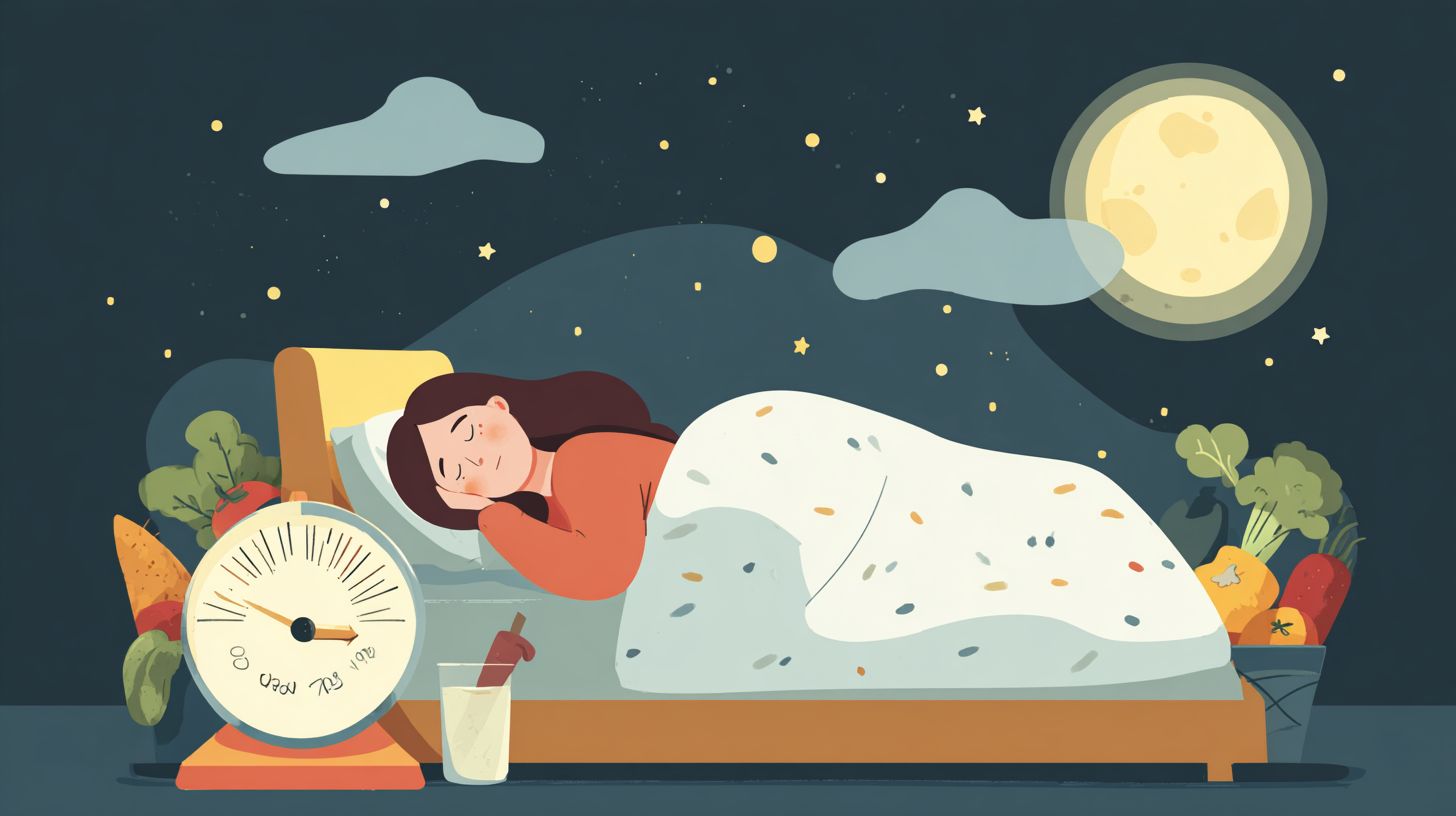
Track your sleep score and waist circumference weekly to monitor progress in the link between sleep and weight loss. A 10-point improvement in sleep score often predicts about 5 pounds of loss over three months. This simple habit helps spot patterns in sleep quality and body weight management.
Use wearable devices for accurate sleep tracking to support your weight loss journey. Compare options in the table below for features like sleep accuracy and weight correlation data. Choose based on your needs for deep sleep and REM sleep insights.
| Device | Sleep Accuracy | Price | Weight Correlation Data | Battery |
|---|---|---|---|---|
| Oura Ring | 89% | $299 | Tracks sleep score vs. weight trends | 7 days |
| Fitbit | 78% | $129 | Logs sleep stages and body weight | 6 days |
| WHOOP | 92% | $30/mo | Recovery score links to fat loss | 5 days |
Maintain a weekly log with sleep score, weight, and cravings rated 1-10. Red flags include sleep score below 70 for two weeks straight, signaling risks like poor metabolism or increased ghrelin. Adjust sleep hygiene promptly to avoid weight gain.
Schedule a DEXA scan every 90 days for precise body composition analysis. This tracks fat loss and muscle recovery tied to restorative sleep. Combine with consistent bedtime routines for sustainable weight loss.
Weekly Tracking Template
Create a simple weekly log to connect sleep duration with weight changes. Note your sleep score from devices like Oura Ring or Fitbit, current weight, and cravings on a 1-10 scale. Review trends to refine appetite control and avoid overeating.
Experts recommend logging waist circumference alongside sleep data for visceral fat reduction insights. For example, pair high deep sleep nights with lower hunger hormone spikes. This builds awareness of how sleep deprivation fuels nighttime snacking.
Use the template below as a starting point. Customize it in a notebook or app for your weight management guide.
- Monday: Sleep score 85, weight 165 lbs, cravings 3/10
- Track daily averages weekly
- Note factors like caffeine effects on sleep
- Adjust for exercise recovery sleep needs
Consistent use reveals how better circadian rhythm alignment boosts metabolic rate and fat oxidation. Aim for patterns showing improved insulin sensitivity from quality sleep cycles.
Red Flags and Adjustments
Watch for red flags like sleep score under 70 for two weeks, which may signal chronic sleep loss and stalled fat loss. This often links to elevated cortisol and disrupted leptin levels. Act quickly to restore sleep stages.
Common signs include persistent cravings or weight plateaus despite calorie deficit. Check for issues like blue light exposure or inconsistent wake-up times. Incorporate sleep optimization tips such as a cool room temperature.
- Sleep score <70: Improve bedroom environment with dark room setup
- Increased waist circumference: Cut screen time before bed
- High cravings: Try 4-7-8 breathing technique
Address these with sleep hygiene tweaks, like limiting alcohol for better slow-wave sleep. If red flags persist, consider CBT-I for insomnia tied to weight gain. Regular checks ensure long-term success in your 2026 sleep weight loss guide.
Frequently Asked Questions
What is the main focus of ‘Understanding the Link Between Sleep and Weight Loss (Guide 2026)’?
The ‘Understanding the Link Between Sleep and Weight Loss (Guide 2026)’ explores the scientific connections between sleep quality, duration, and effective weight loss, providing evidence-based strategies to optimize sleep for better metabolism, hormone balance, and fat loss in 2026.
How does poor sleep impact weight loss according to ‘Understanding the Link Between Sleep and Weight Loss (Guide 2026)’?
In ‘Understanding the Link Between Sleep and Weight Loss (Guide 2026)’, poor sleep disrupts hormones like ghrelin and leptin, increasing hunger and cravings while slowing metabolism, making weight loss harder even with diet and exercise.
What role does sleep duration play in weight management as explained in ‘Understanding the Link Between Sleep and Weight Loss (Guide 2026)’?
‘Understanding the Link Between Sleep and Weight Loss (Guide 2026)’ recommends 7-9 hours of sleep per night, as shorter durations elevate cortisol levels, promote fat storage, and reduce muscle recovery essential for weight loss.
Can improving sleep quality alone lead to weight loss per ‘Understanding the Link Between Sleep and Weight Loss (Guide 2026)’?
While not standalone, ‘Understanding the Link Between Sleep and Weight Loss (Guide 2026)’ highlights that better sleep enhances insulin sensitivity and energy expenditure, amplifying diet and exercise results for sustainable weight loss.
What practical tips does ‘Understanding the Link Between Sleep and Weight Loss (Guide 2026)’ offer for better sleep?
‘Understanding the Link Between Sleep and Weight Loss (Guide 2026)’ suggests establishing a consistent bedtime routine, limiting screen time, avoiding caffeine post-noon, and creating a cool, dark sleep environment to support weight loss goals.
Why is ‘Understanding the Link Between Sleep and Weight Loss (Guide 2026)’ relevant for modern lifestyles?
‘Understanding the Link Between Sleep and Weight Loss (Guide 2026)’ addresses 2026 trends like disrupted sleep from remote work and blue light exposure, offering updated research and tools to harness sleep as a key ally in weight loss journeys.