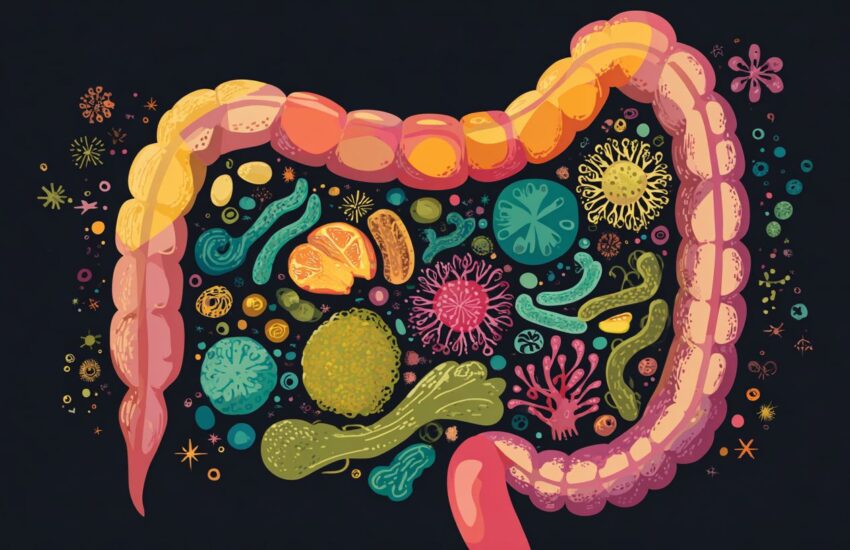
Unlocking the Secrets of Your Gut
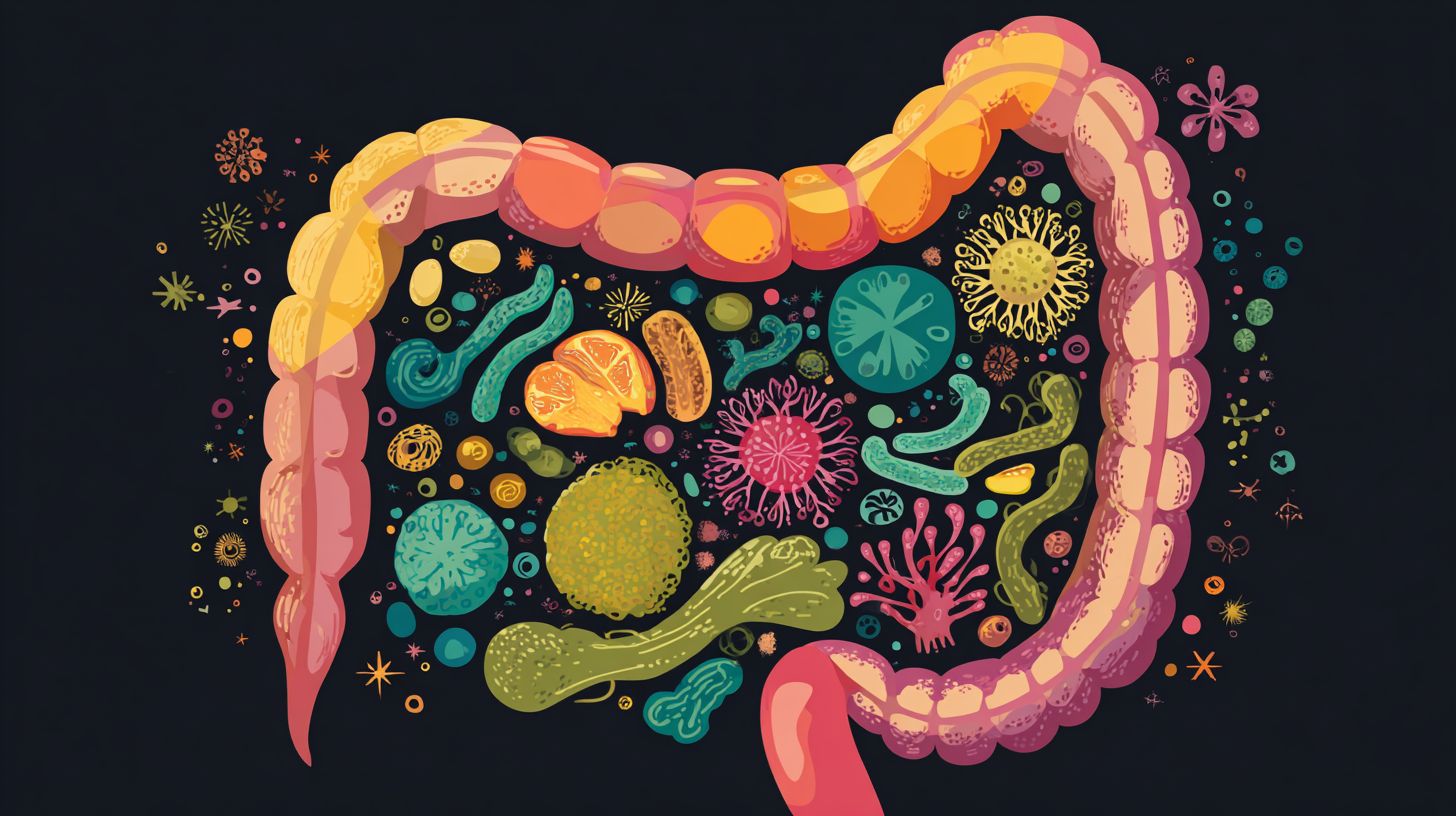
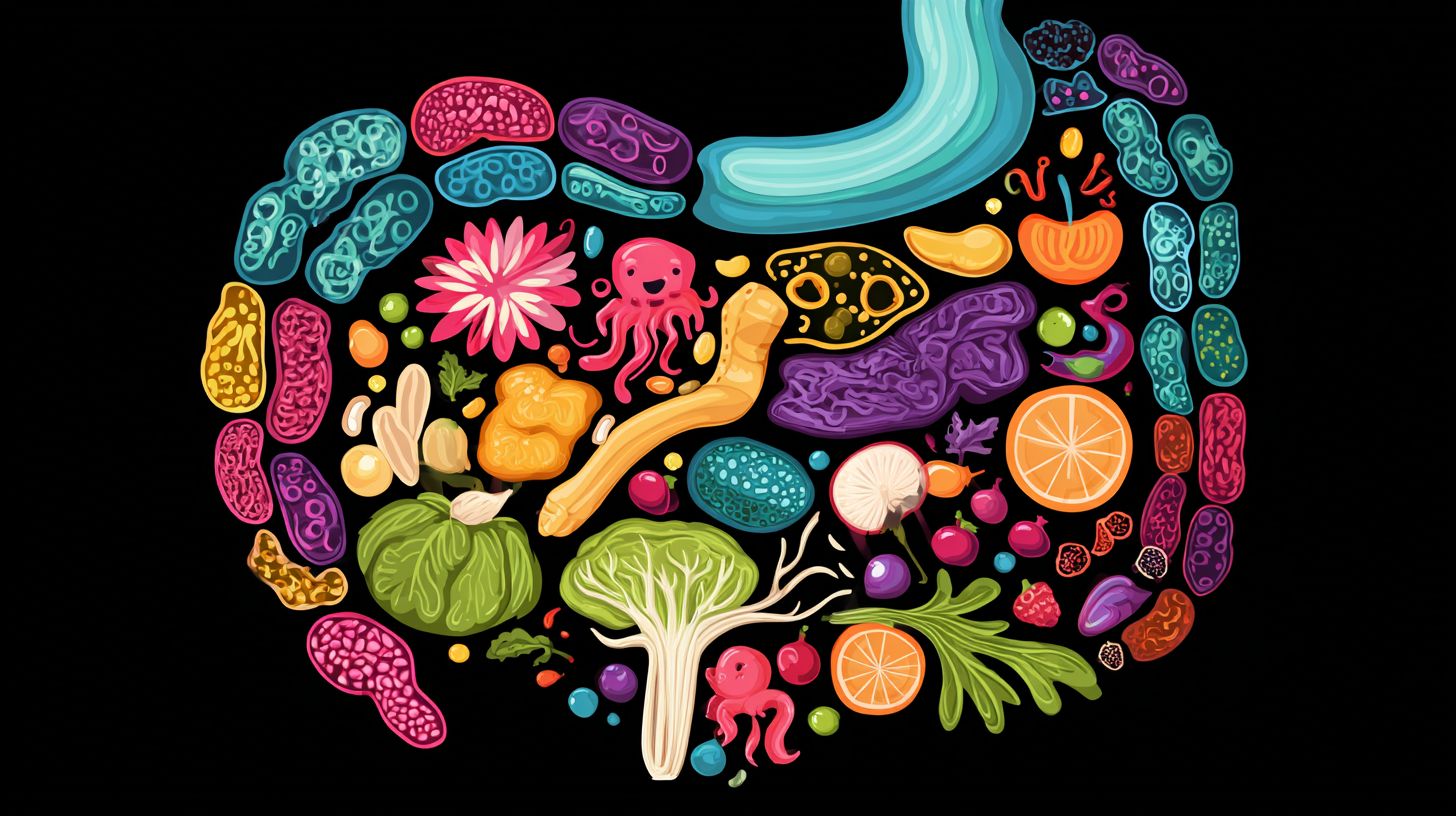
Feel bloated after meals? Your gut microbiome holds the key. This bustling community of bacteria powers digestion, influences mood via the gut-brain axis, and guards overall health.
- Discover key microbes and their roles.
- Explore enzyme-driven nutrient breakdown and absorption.
- Spot signs of poor gut health, like IBS.
- Adopt 2026 protocols with top prebiotic and probiotic foods.
Ready to heal your gut? Dive in now.
Key Bacteria and Microorganisms
Lactobacillus and Bifidobacterium species produce a significant portion of your butyrate, fueling colon cells. These gut bacteria support digestion by breaking down fibers and producing short chain fatty acids. They help maintain microbiome diversity for overall gut health.
Bacteroides dominate the intestinal flora, aiding in fiber breakdown in the large intestine. They contribute to nutrient absorption and prevent dysbiosis. Foods like whole grains and vegetables boost their presence.
Akkermansia muciniphila protects the mucin layer, strengthening the intestinal barrier against leaky gut. Deficiency links to inflammation and IBS symptoms such as bloating. Prebiotics from onions and garlic feed this beneficial bacteria.
Faecalibacterium prausnitzii offers anti-inflammatory effects, supporting colon health and reducing IBD risks. Low levels associate with diarrhea and poor gut motility. Include fermented foods like sauerkraut to encourage growth.
Clostridium species produce butyrate, essential for peristalsis and immune system balance. They thrive on resistant starch from legumes. Pathogen defense improves with diverse fiber intake.
| Bacteria | Abundance (American Gut Project) | Key Role | Food Sources | Deficiency Symptoms |
|---|---|---|---|---|
| Bacteroides | ~30% in healthy adults | Fiber breakdown | Whole grains, beans | Bloating, constipation |
| Lactobacillus | Variable, up to 20% | Lactic acid, pathogen defense | Yogurt, kefir | Diarrhea, infections |
| Bifidobacterium | Up to 15% | Prebiotic feeder | Kimchi, miso | Gas, poor immunity |
| Akkermansia | 1-5% | Mucin layer protector | Polyphenol-rich fruits | Leaky gut, inflammation |
| Faecalibacterium | 5-15% | Anti-inflammatory | Fermented veggies | IBS, abdominal pain |
| Clostridium | Variable, 5-10% | Butyrate producer | Resistant starch foods | Colon issues, fatigue |
Pathogenic Examples
Candida albicans overgrowth disrupts gut balance, leading to candida overgrowth symptoms like fatigue and brain fog. It resists some antifungals, complicating treatment. Reduce sugar intake to manage it.
Helicobacter pylori causes stomach inflammation, heartburn, and ulcers by evading antibiotics. Common in dysbiosis, it affects stomach acid and nutrient absorption. Mastic gum and oregano oil offer support.
Clostridium difficile thrives post-antibiotics, causing severe diarrhea and colitis. Its spores resist many treatments, prolonging recovery. Probiotics like Lactobacillus help restore balance after infection.
Gut-Brain Axis Connection
95% of serotonin originates in the gut via enterochromaffin cells, regulating mood through vagus nerve signaling. This connection forms the core of the gut-brain axis, where gut bacteria produce GABA that influences brain signals, as noted in a 2024 Nature Reviews study. Daily choices in diet and stress management can strengthen this vital link for better digestion and mental clarity.
The gut-brain axis operates through four key pathways. First, the vagus nerve carries signals from gut to brain. Second, immune cytokines signal inflammation levels. Third, neurotransmitters like serotonin and dopamine shape mood. Fourth, the HPA axis manages stress responses.
People with IBS often experience linked mental health challenges, highlighting this axis in action. Gut dysbiosis can disrupt neurotransmitter production, leading to anxiety or brain fog alongside bloating and irregular bowel movements. Supporting gut microbiome diversity with fermented foods helps restore balance.
For actionable insights, consider a GI-MAP stool analysis to check neurotransmitter markers and gut bacteria levels. This test, around $400, reveals imbalances in beneficial bacteria like lactobacillus and bifidobacterium. Pair results with psychobiotics and stress management for holistic gut care.
Enzyme Production and Nutrient Breakdown
The pancreas produces 1-1.5L of enzymes daily to break down proteins with trypsin, fats with lipase, and carbs with amylase. This process supports gut health by ensuring proper nutrient absorption in the small intestine. Without these enzymes, digestion suffers, leading to bloating and nutrient deficiencies.
Enzyme action starts in the mouth and continues through the digestive tract. Salivary amylase begins starch breakdown within 30 seconds, handling about half of initial carbs. Gastric juices with pepsin and HCl at pH 2 tackle proteins effectively.
The pancreatic cascade releases around 700g of enzymes per day into the small intestine. Brush border enzymes on intestinal villi finish carb digestion, completing about 90% of the final breakdown. This teamwork maintains smooth digestion and prevents issues like IBS or SIBO.
- Salivary amylase: Acts in 30 seconds on 50% of starch for quick energy release.
- Pepsin + HCl: Works at pH 2 to digest 98% of proteins into amino acids.
- Pancreatic cascade: Delivers 700g enzymes daily for fats, proteins, and carbs.
- Brush border enzymes: Handle 90% final carbs on small intestine walls.
| Enzyme | Food Triggered | Deficiency Symptom |
|---|---|---|
| Amylase | Starches, carbs | Bloating, gas after meals |
| Lipase | Fats, oils | Steatorrhea, fatty stools |
| Protease | Proteins | Undigested food particles, fatigue |
| Lactase | Dairy lactose | Diarrhea, cramps from milk |
For low stomach acid, especially in PPI users, betaine HCl at 650mg per meal can aid digestion. Start low and monitor symptoms like heartburn. Combine with apple cider vinegar or digestive bitters for better pH balance and nutrient uptake.
Absorption and Waste Elimination
Small intestine villi (300m surface) absorb 90% nutrients via active transport and diffusion. These finger-like projections maximize nutrient absorption in the digestive system. Healthy villi ensure vitamins, minerals, and macronutrients enter the bloodstream efficiently.
The duodenum focuses on iron and calcium uptake. The jejunum handles most vitamins and carbohydrates. The ileum recycles bile salts and absorbs vitamin B12.
In the colon, bacteria ferment undigested fiber into butyrate, a short chain fatty acid that supports colon health. It reabsorbs water to form stool. This process maintains gut motility and prevents issues like constipation.
| Intestinal Zone | Primary Absorption |
|---|---|
| Duodenum | Iron, calcium |
| Jejunum | Vitamins, carbohydrates |
| Ileum | B12, bile salts |
Optimal villi health relies on nutrients like zinc carnosine at 75mg per day for repairs and L-glutamine at 5g per day for mucosal integrity. These support the intestinal barrier against leaky gut. Include bone broth or collagen peptides in meals for added gut healing.
| Condition | Transit Time |
|---|---|
| Normal | 24-48 hours |
| SIBO | >72 hours |
Slow transit in conditions like SIBO leads to bloating and dysbiosis. Promote gut motility with adequate fiber intake, hydration, and exercise. Fermented foods like sauerkraut introduce beneficial bacteria to balance the gut microbiome.
IBS and Leaky Gut Syndrome
Leaky gut elevates zonulin 2-3x normal, allowing LPS endotoxins into bloodstream. This increased gut permeability disrupts the intestinal barrier, leading to inflammation and immune system activation. Symptoms often overlap with IBS, complicating diagnosis.
IBS presents in forms like IBS-C with constipation and slow motility, IBS-D with diarrhea and rapid transit, or IBS-M mixed. Leaky gut markers include elevated zonulin and low DAO levels. Both conditions affect gut motility and nutrient absorption in the small intestine.
A practical protocol starts with a low FODMAP diet for 4 weeks to reduce bloating and pain. Add L-glutamine at 10g daily to support mucosal lining repair, plus Saccharomyces boulardii at 10B CFU for probiotic balance. Experts recommend a breath test referral for lactulose-mannitol to assess permeability.
| Condition | Key Features | Common Symptoms | Management Focus |
|---|---|---|---|
| IBS-C | Slow motility, 25% cases | Constipation, bloating | Increase fiber intake, hydration |
| IBS-D | Rapid transit, 40% cases | Diarrhea, urgency | Low FODMAP, anti-diarrheals |
| IBS-M | Mixed, 35% cases | Alternating bowel habits | Diet tracking, stress management |
| Leaky Gut | Zonulin >12ng/ml, DAO <10U/ml | Food sensitivities, fatigue | Gut healing supplements, elimination diet |
For leaky gut syndrome, focus on tight junctions and villi health with bone broth or collagen peptides alongside glutamine. Incorporate fermented foods like kefir or sauerkraut to boost beneficial bacteria. Monitor progress with stool testing for dysbiosis index and secretory IgA.
Prebiotics vs. Probiotics
Prebiotics increase Bifidobacteria 100x more effectively than probiotics alone, according to ISAPP consensus. These non-digestible fibers act as food for existing gut bacteria, promoting the growth of beneficial strains in the gut microbiome. This supports better digestion and overall gut health.
Probiotics, on the other hand, introduce live bacteria like Lactobacillus and Bifidobacterium to the intestinal flora. They help restore balance after issues like antibiotics impact or dysbiosis. Both play key roles in reducing bloating, constipation, and inflammation.
A synbiotic combo pairs them for enhanced effects. Try kefir with banana, where kefir provides probiotics and banana offers prebiotic inulin. This simple mix boosts microbiome diversity and nutrient absorption in the small intestine and colon.
| Prebiotics | Probiotics | |
|---|---|---|
| Action | Feed existing bacteria | Add new strains |
| Example Dose | Inulin 5-10g/day | 50B CFU |
| Cost | Cheaper, $0.20/serving | $1/serving |
For prebiotics, focus on food sources to improve gut motility and short chain fatty acids production. A 12-week protocol with consistent intake supports greater microbiome diversity.
- Asparagus: inulin 2g/100g, great for peristalsis.
- Garlic: FOS 6g/100g, fights pathogenic bacteria.
- Oats: beta-glucan 5g/serving, aids immune system function.
Understanding Gut Health and Its Role in Digestion (Guide 2026)
Your gut houses 100 trillion microorganisms that process much of your immune system and produce most of your serotonin. These microbes form the gut microbiome, a diverse community essential for digestion and overall health. Optimal gut health means balanced microbiome diversity, often described with an ideal Firmicutes to Bacteroidetes ratio around 1:1, as noted in findings from the Human Microbiome Project.
Gut dysbiosis, or imbalance in this microbial ecosystem, disrupts digestion and links to various health issues. Research suggests dysbiosis plays a role in chronic conditions by affecting nutrient absorption and inflammation. Maintaining harmony among beneficial bacteria like Lactobacillus and Bifidobacterium supports smooth digestive function.
Digestion follows a precise timeline through the digestive system. It starts in the mouth for about 30 seconds of chewing and enzyme activation, moves to the stomach for 2-4 hours of acid breakdown, proceeds through the small intestine for 3-6 hours of nutrient extraction, and ends in the colon for 12-48 hours of water absorption and waste formation.
For better reader retention, consider an infographic here showing the digestion timeline as a visual flowchart. Include icons for each stage, key gut bacteria roles, and tips like increasing fiber intake from vegetables and fermented foods. This format helps readers grasp the gut-brain axis connection quickly.
What is the Gut Microbiome?
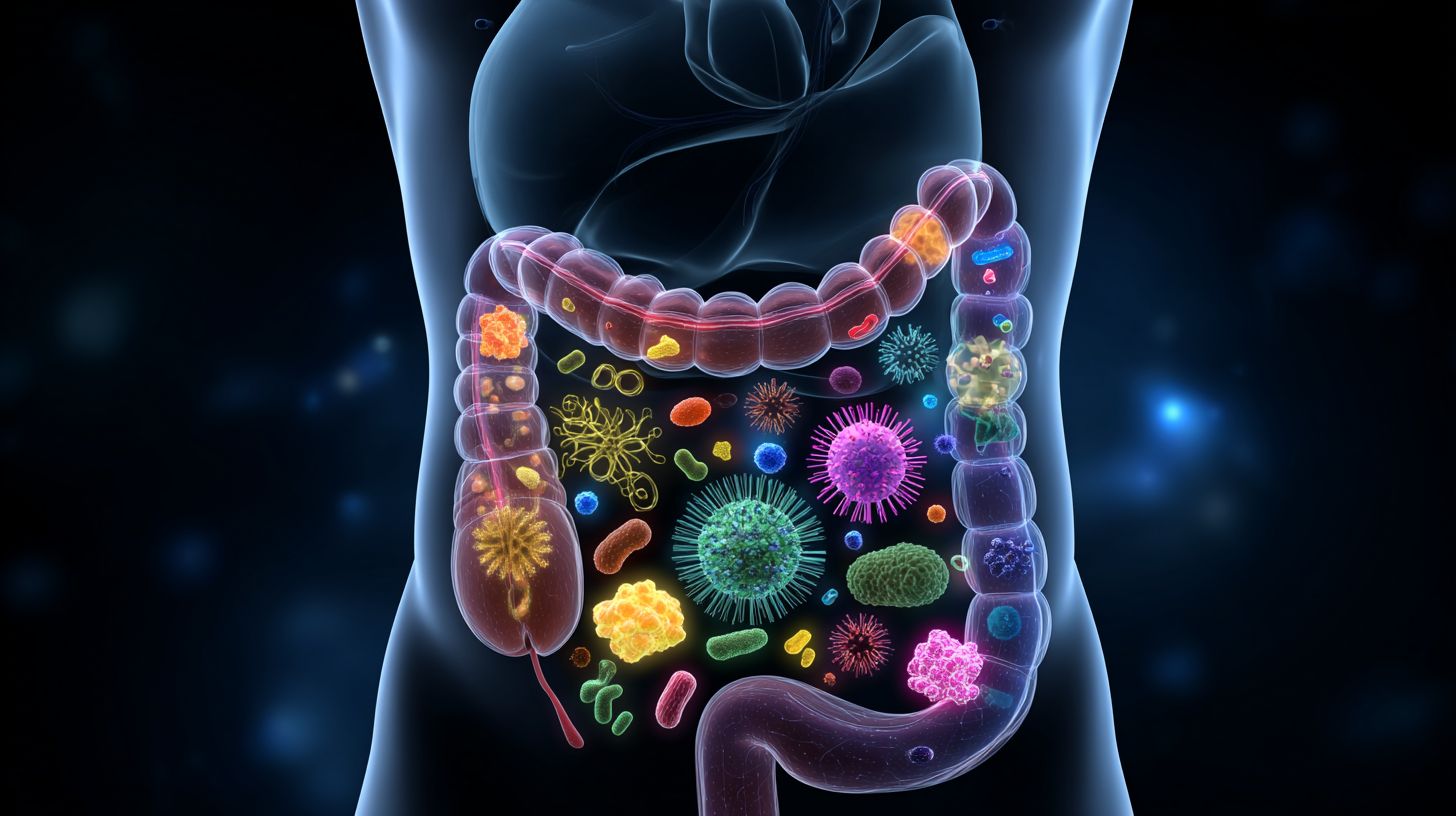
The gut microbiome contains 3-5 pounds of bacteria, fungi, and viruses working as your personal ecosystem. This complex community lives mainly in your large intestine and influences digestion, immune function, and even mood through the gut-brain axis. Trillions of microbes form the foundation of gut health.
The Human Microbiome Project by the NIH has identified over 1,000 species in the human body. Microbiome diversity serves as a key measure of health, with tools like the Shannon Index helping assess balance. Higher diversity supports better resilience against disruptions.
Disruptions lead to dysbiosis, where harmful bacteria outnumber beneficial ones, affecting digestion and immunity. Common causes include antibiotics, poor diet, and stress. Symptoms like bloating, constipation, or diarrhea often signal imbalance in the intestinal flora.
To nurture your gut bacteria, focus on prebiotics from foods like onions and garlic, plus probiotics from yogurt or kefir. Increase fiber intake gradually to promote short chain fatty acids like butyrate, which fuel colon cells and reduce inflammation.
How the Gut Drives Digestion
Digestion extracts 90% of calories through sequential enzyme action across 30 feet of intestines. The gut processes about 9 liters of material daily via mechanical and chemical means. This system breaks down food into absorbable nutrients while maintaining balance.
In the stomach, enzymes peak at pH 2, aided by hydrochloric acid and pepsin. These initiate protein breakdown before food moves to the small intestine. Here, pH shifts to 7-8 for optimal pancreatic enzyme and bile activity.
The gut microbiome ferments around 10% of undigested carbs into short chain fatty acids like butyrate in the large intestine. These support colon health and nutrient absorption. Beneficial bacteria such as lactobacillus and bifidobacterium thrive on prebiotics from fiber intake.
Peristalsis and gut motility ensure steady flow, preventing issues like constipation or diarrhea. The enteric nervous system coordinates this with the gut-brain axis. Supporting gut health through fermented foods like sauerkraut enhances digestion efficiency.
Signs of Poor Gut Health
Bloating often signals issues in the digestive system. It commonly appears after meals and may point to SIBO or enzyme shortages. Experts recommend noting patterns for better gut health tracking.
Other gut dysbiosis symptoms include constipation, diarrhea, and gas. These disrupt gut motility and nutrient absorption. Frequent occurrences suggest imbalances in gut bacteria.
Brain fog and fatigue link to the gut-brain axis. Poor digestion affects serotonin production, mostly in the gut. Addressing these improves overall wellness.
Track symptoms with a 7-day journal to spot triggers. Pair it with HRV monitoring via wearables for stress insights on digestion. This actionable step aids gut healing.
Common Symptoms Diagnostic Table
| Symptom | Likely Cause | Self-Test |
|---|---|---|
| Bloating | Enzyme deficiency or SIBO | Occurs 30min post-meal |
| Constipation | Thyroid issues or dysbiosis | Stools absent >3 days |
| Diarrhea | Food sensitivities or infection | Loose stools >3 times daily |
| Brain fog | Dysbiosis in gut microbiome | Worsens post-carb intake |
| Gas/Flatulence | FODMAP intolerance | Excess after beans or onions |
| Abdominal pain | Inflammation or IBS | Cramping with meals |
Bristol Stool Chart and Dysbiosis
The Bristol Stool Chart classifies stool types from 1 to 7. Types 1-2 indicate constipation from low fiber intake or poor peristalsis. Types 6-7 suggest diarrhea tied to dysbiosis or leaky gut.
Ideal types 3-4 show healthy colon health and microbiome diversity. Deviations signal pathogenic bacteria overgrowth. Use this chart daily in your symptom journal.
Correlate with diet: hard stools often mean low prebiotics like inulin. Soft ones may indicate excess FODMAPs. Adjust fiber intake gradually for balance.
Combine with breath tests for SIBO if persistent. This visual tool guides holistic gut care and tracks progress toward optimal digestion.
Common Gut Disorders
Irritable bowel syndrome impacts a significant portion of the population, with research from Monash University noting a strong overlap with dysbiosis. Functional gut disorders often affect motility and permeability, leading to irregular bowel movements and discomfort. Inflammatory conditions, like those in IBD, involve an immune breach in the gut lining.
Symptoms such as bloating, constipation, and diarrhea commonly signal these issues. Experts recommend tracking food intake to identify food sensitivities or FODMAP triggers. Maintaining gut microbiome diversity through diet can help manage flare-ups.
For IBS, a low FODMAP diet reduces symptoms for many by limiting fermentable carbs. Probiotics like Lactobacillus and Bifidobacterium support beneficial bacteria growth. Stress management aids gut-brain axis balance, improving overall digestion.
Inflammatory disorders demand attention to gut permeability and leaky gut. Incorporating prebiotics and fermented foods like sauerkraut or kefir fosters short chain fatty acids production. Consult a professional for tests like breath tests or stool analysis to pinpoint causes.
Irritable Bowel Syndrome (IBS)
IBS disrupts normal gut motility, causing abdominal pain and altered bowel habits. It links closely to dysbiosis in the gut microbiome, where imbalance affects peristalsis. Many experience relief by boosting fiber intake from whole grains and vegetables.
Common triggers include stress via the gut-brain axis and certain foods high in FODMAPs. An elimination diet helps identify culprits like gluten or dairy. Pair this with probiotics to restore intestinal flora.
Practical steps involve eating fermented foods such as kimchi daily and practicing hydration. Peppermint oil capsules soothe spasms, while exercise benefits enhance motility. Monitor symptoms with a food diary for patterns.
Severe cases may need functional medicine approaches like comprehensive stool testing. Focus on microbiome diversity to prevent SIBO overlap. Consistent sleep quality supports healing.
Inflammatory Bowel Disease (IBD)
IBD, including Crohn’s disease and ulcerative colitis, stems from chronic inflammation in the digestive system. It involves immune overreactions breaching the mucosal lining. Diet rich in anti-inflammatory foods like fatty fish aids management.
Symptoms feature bloody stools, fatigue, and weight loss from poor nutrient absorption. Butyrate from fiber supports colon health and reduces flare-ups. Avoid triggers through an anti-inflammatory diet.
Supplements like L-glutamine and zinc carnosine promote tight junctions repair. Bone broth nourishes the gut lining effectively. Regular stool testing tracks markers like calprotectin.
Holistic care includes stress management and probiotics to balance pathogenic bacteria. Mediterranean diet patterns emphasize polyphenols for immune system modulation. Work with specialists for endoscopy if needed.
Small Intestinal Bacterial Overgrowth (SIBO)
SIBO occurs when excess gut bacteria overgrow in the small intestine, impairing digestion. It leads to bloating, gas, and malabsorption due to disrupted bile production. Breath tests confirm overgrowth accurately.
Treatments target reducing bacteria with berberine or oregano oil alongside low FODMAP diet. Prokinetics improve gut motility to prevent recurrence. Focus on digestive enzymes for meals.
Incorporate prebiotics cautiously post-treatment to rebuild beneficial bacteria. Apple cider vinegar before meals stimulates stomach acid. Hydration and movement aid clearance.
Address root causes like low hydrochloric acid with betaine HCl. Monitor via GI map test for dysbiosis index. Personalized nutrition enhances long-term gut healing.
Factors Damaging Gut Health
Antibiotics wipe out a significant portion of microbiome diversity and effects can last six months or longer. They target harmful bacteria but also eliminate beneficial bacteria essential for digestion and immune function. This leads to dysbiosis, increasing risks of bloating, constipation, and infections like Clostridium difficile.
Other factors compound damage to the gut microbiome. Proton pump inhibitors reduce stomach acid, allowing bacterial overgrowth in the small intestine known as SIBO. Chronic stress disrupts the gut-brain axis, slowing gut motility and promoting inflammation.
Gluten can trigger zonulin release, weakening tight junctions in sensitive individuals and contributing to leaky gut. Poor diet low in fiber intake starves good gut bacteria, while lack of sleep impairs mucosal lining repair. Identifying these helps prioritize gut healing strategies.
Below is a ranked list of top factors by potential damage, followed by a recovery timeline table and mitigation tips. Addressing them supports digestive system balance and overall health.
- Antibiotics: Broad-spectrum types decimate intestinal flora, causing long-term dysbiosis.
- PPIs: Long-term use promotes bacterial overgrowth and nutrient malabsorption.
- Gluten: Spikes zonulin in those with intolerance, damaging the intestinal barrier.
- Stress: Dysregulates HPA axis, impairs peristalsis and short chain fatty acids production.
- Poor diet: Low prebiotics and fermented foods foster pathogenic bacteria.
- Sleep disruption: Hinders microbiome diversity and villi health.
- Sedentary lifestyle: Reduces gut motility and bile production.
- Excess alcohol: Irritates mucosal lining and kills beneficial lactobacillus strains.
| Factor | Recovery Timeline | Mitigation Strategy |
|---|---|---|
| Antibiotics | 6+ months | Saccharomyces boulardii for 2 weeks post-use |
| PPIs | 4-8 weeks | Betaine HCl to restore stomach acid |
| Gluten | 4-6 weeks | Elimination diet with bone broth 16oz daily |
| Stress | 2-4 weeks | Stress management like chamomile tea |
Recovery focuses on rebuilding with probiotics like bifidobacterium and prebiotics from sauerkraut. Incorporate L-glutamine for mucosal repair and monitor symptoms like diarrhea or IBS flares.
Top Foods for Gut Repair
Sauerkraut delivers 10 trillion CFU/g vs yogurt’s 1 trillion, per fermentation studies. This makes it a powerhouse for gut repair through natural probiotics. Foods often provide 1,000x supplement potency via synergies between nutrients.
Polyphenol-fiber combinations in whole foods optimize gut microbiome diversity. These pairings feed beneficial bacteria and support intestinal flora. Experts recommend prioritizing them over isolated supplements for digestion.
Fermented foods like sauerkraut and kimchi introduce live cultures that combat dysbiosis. They help restore balance in the digestive system, reducing issues like bloating and constipation. Pair them with prebiotic-rich options for best results.
- Sauerkraut: High in lactobacillus for colon health.
- Kefir: Diverse strains aid nutrient absorption.
- Whole grains: Provide resistant starch as prebiotics.
- Legumes: Boost short chain fatty acids like butyrate.
- Vegetables: Onions and garlic offer inulin for gut motility.
Incorporate these daily to promote mucosal lining repair and reduce inflammation. Start with small portions to avoid discomfort from sudden fiber intake.
2026 Gut Health Protocols
The 2026 standard for gut health involves GI-MAP testing paired with personalized protocols. These approaches target gut microbiome restoration and digestion optimization. Patients often see improvements in bloating, constipation, and diarrhea within weeks.
This 4-phase protocol guides users through elimination, repair, reintroduction, and maintenance. It addresses dysbiosis, leaky gut, and food sensitivities systematically. Experts recommend stool testing to customize each phase for better results.
Key tests include the GI-MAP for pathogens and beneficial bacteria, Organic Acids for metabolic insights, and Zonulin for intestinal permeability. These panels reveal issues like SIBO or candida overgrowth. Success shows in Bristol stool types 3-4 and a dysbiosis index under 2.0.
Incorporate probiotics like lactobacillus and bifidobacterium alongside prebiotics such as inulin. Track progress with symptoms like reduced abdominal pain and improved nutrient absorption. This protocol supports overall colon health and gut-brain axis balance.
Phase 1: Eliminate (Days 1-14)
Start with removing gluten and dairy to calm inflammation in the digestive system. This elimination diet reduces gut permeability and eases IBS symptoms like gas and bloating. Many notice fewer digestive issues quickly.
Focus on whole foods such as vegetables, lean proteins, and low-FODMAP fruits. Avoid processed items that feed pathogenic bacteria. Pair with stress management to support gut motility and peristalsis.
Hydration and exercise benefits aid detoxification during this phase. Monitor for changes in stool consistency and energy levels. This sets the foundation for gut healing and microbiome diversity.
Phase 2: Repair Mucosal Lining
Use glutamine at 15g daily and butyrate at 600mg to rebuild the intestinal barrier. These support villi health and tight junctions, countering leaky gut. Add zinc carnosine or bone broth for extra mucosal repair.
Incorporate short chain fatty acids from fermented foods like sauerkraut or kefir. These nourish the colon and promote beneficial bacteria growth. Digestive enzymes help with nutrient absorption in the small intestine.
Address stomach acid levels with betaine HCl if low. Ginger root or peppermint oil can soothe inflammation. This phase strengthens the immune system tied to gut health.
Phase 3: Reintroduce FODMAPs
Slowly add back FODMAPs using a tool like the Monash app for guidance. Test one group at a time, such as fructo-oligosaccharides in onions or garlic. Watch for reactions like diarrhea or abdominal pain.
Build fiber intake gradually with resistant starch from cooled potatoes or green bananas. This feeds gut bacteria and improves bile production. Track histamine intolerance or gluten reactions carefully.
If symptoms flare, return to elimination basics. Include synbiotics combining probiotics and prebiotics. This phase restores balance in the large intestine and enhances serotonin production.
Phase 4: Maintain with Plant Diversity
Aim for 30 plant types weekly to boost microbiome diversity. Rotate vegetables, fruits, legumes, and whole grains for polyphenols and oligosaccharides. This sustains beneficial bacteria and prevents dysbiosis.
Continue fermented foods like kimchi, miso, or yogurt daily. Add postbiotics for ongoing gut motility support. Prioritize sleep quality and circadian rhythm for vagus nerve health.
Monitor with periodic stool testing like comprehensive stool analysis. Adjust for factors like antibiotics impact or H. pylori. Long-term habits promote anti-inflammatory diet benefits and longevity.
Recommended Test Panels
| Test Name | Focus Areas | Key Insights |
|---|---|---|
| GI-MAP ($359) | Gut microbiome, pathogens, parasites | Dysbiosis index, calprotectin, secretory IgA |
| Organic Acids ($349) | Metabolic byproducts, yeast, bacteria | Candida overgrowth, detoxification markers |
| Zonulin ($149) | Intestinal permeability | Leaky gut status, tight junctions health |
These panels provide a full picture of intestinal flora and inflammation. Use results to tailor probiotics or berberine for SIBO. Breath tests can complement for deeper IBD or GERD evaluation.
Frequently Asked Questions
What is gut health and why is it important according to Understanding Gut Health and Its Role in Digestion (Guide 2026)?
Gut health refers to the balance and function of microorganisms in your intestines, along with the gut lining’s integrity. Understanding Gut Health and Its Role in Digestion (Guide 2026) emphasizes that optimal gut health is crucial for efficient digestion, nutrient absorption, immune function, and even mental well-being, as a disrupted gut can lead to issues like bloating, IBS, and chronic inflammation.
How does gut health directly influence the digestion process in Understanding Gut Health and Its Role in Digestion (Guide 2026)?
In Understanding Gut Health and Its Role in Digestion (Guide 2026), gut health impacts digestion by supporting the breakdown of food through beneficial bacteria that produce digestive enzymes, ferment fibers into short-chain fatty acids, and maintain gut motility. Poor gut health can slow digestion, causing constipation or diarrhea.
What are common signs of poor gut health related to digestion as outlined in Understanding Gut Health and Its Role in Digestion (Guide 2026)?
Understanding Gut Health and Its Role in Digestion (Guide 2026) lists key signs including persistent bloating, gas, irregular bowel movements, food intolerances, unexplained fatigue, and skin issues like acne, all stemming from microbial imbalances or leaky gut that impair digestion.
How can I improve my gut health for better digestion based on Understanding Gut Health and Its Role in Digestion (Guide 2026)?
Understanding Gut Health and Its Role in Digestion (Guide 2026) recommends a diet rich in prebiotic fibers (from onions, garlic, bananas), probiotic foods (yogurt, kefir, sauerkraut), staying hydrated, managing stress through mindfulness, regular exercise, and avoiding excessive sugar and processed foods to foster a healthy microbiome and smooth digestion.
What role do probiotics and prebiotics play in gut health and digestion per Understanding Gut Health and Its Role in Digestion (Guide 2026)?
According to Understanding Gut Health and Its Role in Digestion (Guide 2026), probiotics are live beneficial bacteria that repopulate the gut to aid digestion, while prebiotics are non-digestible fibers that feed these bacteria, promoting their growth and enhancing overall digestive efficiency and gut barrier function.
Can stress affect gut health and digestion, and what does Understanding Gut Health and Its Role in Digestion (Guide 2026) suggest?
Yes, Understanding Gut Health and Its Role in Digestion (Guide 2026) explains that chronic stress alters gut microbiota via the gut-brain axis, leading to impaired digestion, increased permeability, and inflammation. It advises stress-reduction techniques like meditation, adequate sleep, and yoga to restore balance.