
Imagine waking refreshed, your body repaired and mind sharpened-yet millions forfeit this nightly miracle due to insufficient deep sleep. As research from the National Sleep Foundation reveals, this profound stage drives profound health transformations. Discover the sleep cycles, brain waves, hormonal surges, and far-reaching benefits for immunity, muscles, mood, heart, and metabolism-plus proven ways to reclaim it.
What is Deep Sleep?
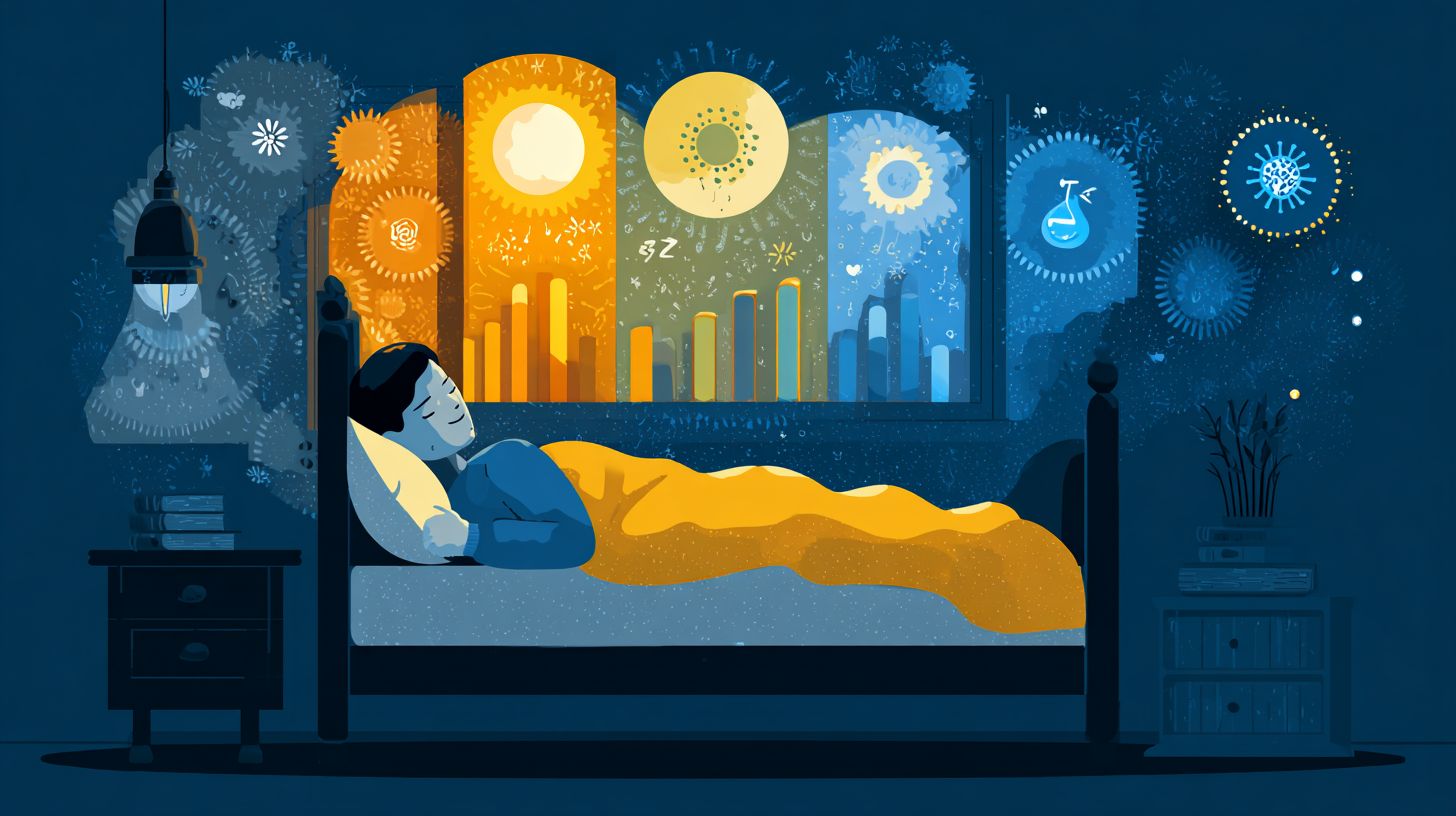
Deep sleep, also known as slow-wave sleep (Stage 3 NREM), occupies 20-25% of total sleep time and features delta waves (0.5-4 Hz) detectable via EEG. This stage, formerly called stages 3 and 4, represents the deepest phase of non-REM sleep. It plays a key role in physical restoration and brain detoxification.
During deep sleep, the body prioritizes tissue regeneration and growth hormone release. The brain shifts to slow delta waves, which dominate over 75% of EEG patterns according to AASM sleep staging criteria. This distinguishes it from lighter NREM stages and REM sleep, where faster brain waves prevail.
Adults typically need 1.5-2 hours of deep sleep nightly, as noted by the National Sleep Foundation. Deep sleep occurs mostly in the first half of the night, supporting immune function and memory consolidation. Poor deep sleep links to fatigue and weakened cognitive performance.
To boost deep sleep, maintain a cool bedroom and consistent schedule. Avoid caffeine late in the day to build sleep pressure from adenosine. Track patterns with sleep apps for better sleep hygiene.
Stages of Sleep Cycles
Sleep cycles through 4 NREM + 1 REM stage every 90-110 minutes, with deep sleep dominating first 2-3 cycles. This ultradian rhythm, identified by Kleitman, repeats 4-6 times per night. Early cycles feature more slow-wave sleep, while later ones emphasize REM.
Key stages include N1 (light transitional sleep), N2 (with sleep spindles and K-complexes for memory protection), N3 (stage 3 sleep rich in delta waves), and REM for dreaming. N2 makes up about half of total sleep, aiding synaptic plasticity. Deep N3 drives glymphatic system clearance of brain toxins.
- N1: Drowsy phase with theta waves, easy to wake from.
- N2: Heart rate slows, body temperature drops, spindles protect against noise.
- N3: Delta waves peak, growth hormone surges for muscle recovery.
- REM: Eye movements, vivid dreams, supports emotional regulation.
Deep sleep declines with age, affecting sleep architecture. Prioritize early bedtimes for more N3 exposure. Short power naps can mimic early cycle benefits without disrupting nighttime cycles.
Neurobiology of Deep Sleep
Deep sleep features the largest, slowest delta brain waves synchronized across the cortex. This stage, also called slow-wave sleep, relies on cortical synchronization through thalamocortical loops. These loops coordinate activity between the thalamus and cortex, promoting neural restoration vital for overall health.
During deep sleep, neurons enter Up and Down states. Up states involve brief firing bursts, while Down states feature prolonged silence from hyperpolarization. This rhythm clears metabolic waste via the glymphatic system, aiding brain detoxification and supporting cognitive performance.
Thalamocortical loops generate these patterns, essential for memory consolidation and synaptic plasticity. Deep sleep strengthens neural connections, enhancing learning ability and emotional regulation. Consistent deep sleep also balances hormones like growth hormone, boosting tissue regeneration and immune function.
Disrupted deep sleep harms sleep architecture, leading to sleep debt and fatigue. Prioritizing sleep hygiene, such as a cool bedroom environment, maximizes these neurobiological benefits for longevity and stress resilience.
Brain Waves and Neural Activity
Delta waves (0.5-4 Hz, high amplitude) form in the cortex through synchronous neuronal hyperpolarization lasting hundreds of milliseconds. Unlike theta waves (4-8 Hz) linked to light sleep or alpha waves (8-12 Hz) of relaxed wakefulness, delta drives profound rest. This distinction underscores deep sleep’s role in neural recovery.
The thalamic reticular nucleus triggers cortical burst-firing, creating coherent oscillations. These mechanisms, explored in neuroscience like Steriade’s work on oscillations, synchronize broad brain regions. Resulting patterns foster neuroplasticity, improving problem-solving and creativity.
Deep sleep spindles, fast bursts at 12-15 Hz, pair with delta waves to aid memory retention. They protect sleep from arousals while promoting synaptic pruning. Research suggests these spindles enhance consolidation, linking to better executive function and mood stability.
To boost these waves, maintain a consistent sleep schedule and reduce blue light exposure. Track patterns with sleep apps for insights into sleep quality, optimizing deep sleep for cardiovascular health and inflammation reduction.
Hormonal Regulation During Deep Sleep
Deep sleep triggers a major portion of daily growth hormone release within the first 90 minutes via GHRH pulses. This happens during delta waves in slow-wave sleep, when the pituitary gland activates strongly. These sleep stages support overall health through hormone balance.
Pituitary activation peaks in the initial non-REM sleep periods, driving recovery processes. Delta waves, the slowest brain waves, signal the body to prioritize cellular repair and tissue regeneration. This phase aligns with the homeostatic drive built from prior wakefulness.
During these cycles, the endocrine system regulates key hormones for metabolic health and immune function. Consistent deep sleep enhances circadian rhythm alignment, aiding insulin sensitivity and weight management. Poor sleep disrupts this, raising risks for chronic conditions.
To boost hormonal regulation, prioritize sleep hygiene like a cool bedroom and consistent schedule. Avoid blue light exposure before bed to protect delta wave production. These habits promote better sleep architecture and hormone balance.
Growth Hormone and Melatonin
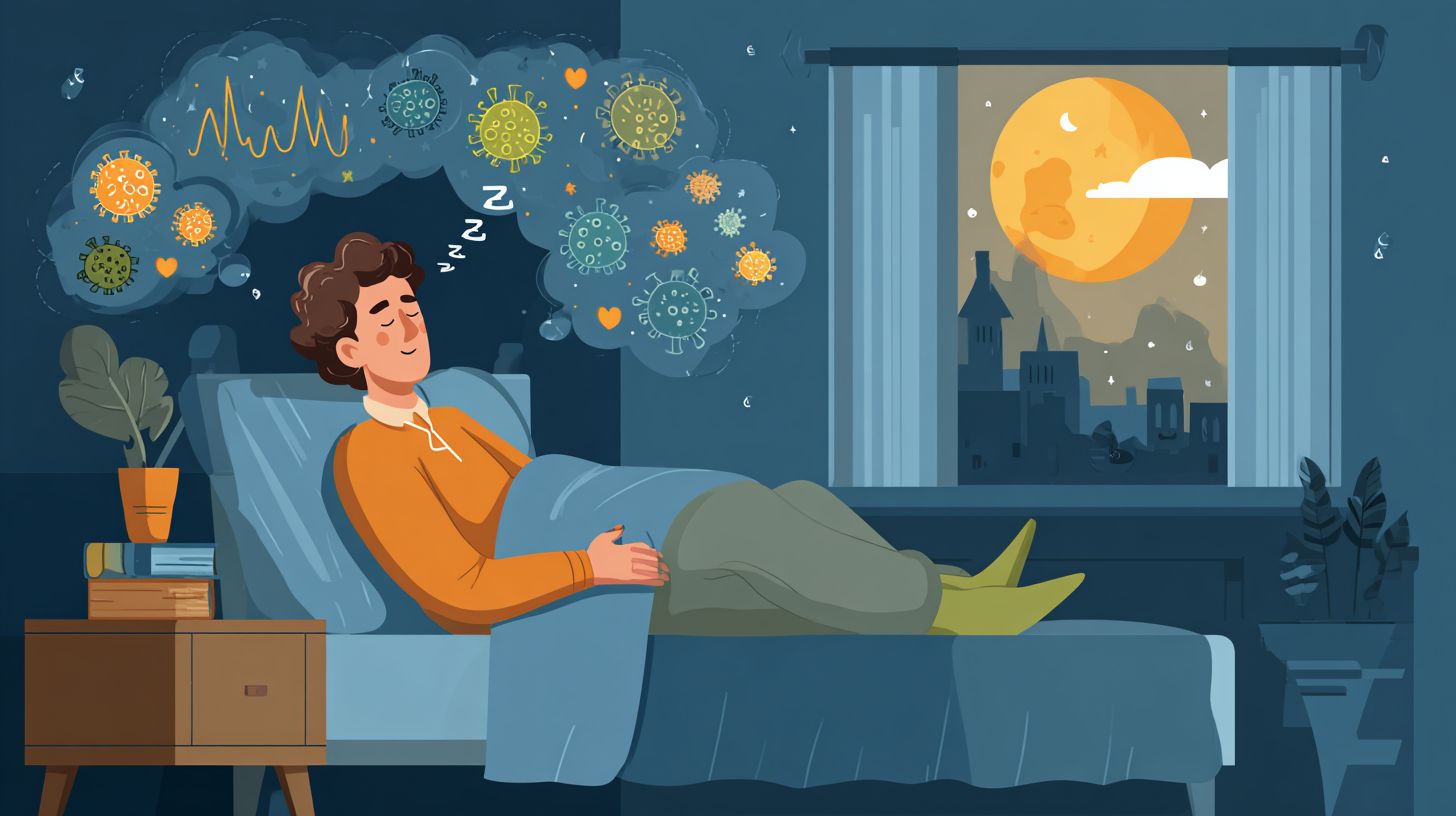
Growth hormone pulses reach high levels in young adults during the first deep sleep episode, declining significantly by age 60. This growth hormone secretion occurs mostly at night, concentrated in slow-wave sleep periods. It supports muscle recovery and metabolic health.
Melatonin peaks in the early morning hours help maintain these slow-wave episodes through specific receptors. This hormone sustains deep sleep, aiding memory consolidation and emotional regulation. Together, they foster neuroplasticity and cognitive performance.
Cortisol levels reach their lowest during deep sleep, preventing muscle breakdown and supporting recovery. This balance protects against inflammation and oxidative stress. Research suggests age-related declines in these patterns affect overall health.
Practice good sleep hygiene to enhance these effects, such as dimming lights in the evening for melatonin production. Limit caffeine to preserve sleep pressure and adenosine buildup. Track sleep quality with apps to ensure enough slow-wave time for hormone optimization.
Deep Sleep and Physical Health
Research suggests that deep sleep plays a key role in physical restoration through processes like protein synthesis and immune modulation. During this non-REM sleep stage, the body repairs tissues and strengthens defenses against illness. This stage, marked by slow-wave sleep and delta waves, supports overall health by promoting recovery.
Growth hormone release peaks in deep sleep, aiding muscle repair and cellular regeneration. The body also balances hormones like cortisol and melatonin, reducing inflammation and oxidative stress. Consistent deep sleep enhances circadian rhythm alignment for better physical performance.
Experts recommend prioritizing sleep quality to maximize these benefits. For example, maintaining a cool bedroom environment and consistent schedule can deepen sleep cycles. This leads to improved metabolic health, insulin sensitivity, and reduced risks for conditions like diabetes.
To track progress, consider using sleep trackers to monitor sleep stages. Practical steps include avoiding blue light exposure before bed and incorporating relaxation techniques. Over time, these habits foster tissue regeneration and hormone balance for lasting physical vitality.
Immune System Boost
Deep sleep boosts natural killer cell activity through signaling pathways that enhance immune surveillance. This slow-wave sleep phase supports the production of immune cells, helping the body fight infections more effectively. Research suggests prolactin and growth hormone stimulate T-cell proliferation during these periods.
Sleep deprivation disrupts this process, weakening antibody responses after vaccinations or illnesses. Experts note that recovery sleep after immune challenges amplifies vaccination efficacy. For instance, getting ample deep sleep post-vaccination helps build stronger defenses.
To support immune function, aim for uninterrupted sleep cycles by practicing good sleep hygiene. Avoid caffeine late in the day and create a dark, quiet bedroom. This reduces sleep fragmentation and micro-awakenings, allowing cytokines to modulate inflammation effectively.
Incorporate power naps if needed, but prioritize nighttime deep sleep for optimal results. Consistent habits like these enhance T-cells and overall resilience against pathogens, contributing to long-term health.
Muscle Recovery and Growth
Muscle protein synthesis peaks during deep sleep as pathways activate to repair and build tissue. This stage 3 sleep phase triggers growth hormone, which supports satellite cell activation for muscle growth. Research suggests this creates an optimal anabolic window for recovery.
After resistance training, deep sleep enhances musculoskeletal repair by promoting IGF-1 production. Sleep-deprived individuals often experience slower recovery and reduced gains. Prioritizing sleep duration alongside workouts maximizes these benefits.
Practical advice includes timing workouts earlier in the day to align with natural sleep pressure. Maintain a consistent schedule to avoid sleep debt, which hampers protein synthesis. A protein-rich snack before bed can further support overnight repair.
Monitor sleep efficiency with actigraphy to ensure enough slow-wave sleep. Combining this with proper nutrition fosters bone density and muscle hypertrophy, reducing injury risk and boosting physical performance over time.
Deep Sleep and Mental Health
Deep sleep eliminates 55% daytime synaptic potentiation through SHARP wave ripples, preventing neural overload. This process clears excess neural connections built up during waking hours. It sets the stage for better mental clarity the next day.
During slow-wave sleep, or non-REM stage 3, the brain replays daily experiences to consolidate memories, as noted in Rasch & Born (2013). This SWS-dependent replay strengthens hippocampus-dependent memories with notable retention gains. Emotional memories benefit too, with amygdala-hippocampus decoupling that lowers next-day reactivity.
Less than 6 hours of SWS correlates with higher depression risk, per Perlis (2001). Chronic short deep sleep disrupts emotional regulation and mood stability. People often notice increased anxiety or irritability when deep sleep suffers.
To boost deep sleep for mental health, prioritize sleep hygiene like a cool, dark bedroom and consistent bedtime. Avoid screens before bed to protect circadian rhythm. Short power naps under 30 minutes can help recover without interfering with night sleep.
Cardiovascular and Metabolic Benefits

Deep sleep lowers nighttime blood pressure 20-30mmHg via sympathetic withdrawal and atrial natriuretic peptide. This process supports cardiovascular health by allowing the heart to rest during non-REM sleep stages. Slow-wave sleep promotes this drop, reducing strain on arteries over time.
During deep sleep, the parasympathetic nervous system takes over, restoring baroreflex sensitivity. This shift improves autonomic balance and helps regulate heart rate. Experts recommend prioritizing sleep quality to maintain this protective effect.
Lack of sufficient slow-wave sleep disrupts metabolic health, leading to insulin resistance as shown in sleep deprivation studies. It also raises heart disease risk with less than one hour of deep sleep per night. Practical steps like consistent bedtimes enhance these sleep stages for better outcomes.
To boost cardiovascular and metabolic benefits, focus on sleep hygiene practices. Keep a cool bedroom environment and avoid screens before bed to support delta waves. Regular exercise earlier in the day can deepen slow-wave sleep without interfering with circadian rhythm.
Factors Disrupting Deep Sleep
Blue light from screens suppresses melatonin production through the ipRGC to SCN pathway, cutting deep sleep duration. This disruption affects the circadian rhythm, making it harder to enter slow-wave sleep stages. Evening exposure keeps the brain alert when it should wind down.
Caffeine blocks adenosine A2A receptors, building sleep pressure via the homeostatic drive or Process S. Its effects linger due to a long half-life, interfering with non-REM sleep. Skip coffee after midday to protect delta wave activity.
Alcohol fragments slow-wave sleep, reducing time in restorative stages despite initial drowsiness. Stress elevates cortisol, clashing with Process C’s timing and hindering sleep architecture. Pairing these with poor habits worsens sleep debt.
Common Disruptors Ranked by Impact
The top disruptors target key mechanisms like adenosine buildup and hormonal balance. Caffeine ranks first for blocking sleep pressure, followed by alcohol’s effect on sleep stages. Stress comes third by overactivating the sympathetic nervous system.
- Caffeine interferes with homeostatic drive, delaying deep sleep onset.
- Alcohol reduces continuous slow-wave sleep, leading to fragmentation.
- Stress raises cortisol, suppressing growth hormone release during stage 3 sleep.
Evening exercise within two hours of bed cuts SWS time by raising core temperature. Opt for morning workouts to align with circadian cues and boost recovery sleep.
Environmental and Lifestyle Culprits
Screen time boosts blue light exposure, delaying melatonin and shortening sleep cycles. A cool, dark bedroom environment counters this for better sleep efficiency. Dim lights two hours before bed helps reset the SCN clock.
Irregular schedules disrupt the interplay of Process S and Process C, causing arousals and micro-awakenings. Stick to consistent bedtimes to stabilize sleep architecture. Limit naps to power naps under 30 minutes to avoid sleep inertia.
Noise and high room temperature fragment deep sleep, impairing glymphatic system clearance. Use earplugs and set the thermostat to 65 degrees Fahrenheit for optimal temperature regulation and autonomic balance.
Measuring and Improving Deep Sleep
Accurate measurement of deep sleep, also known as slow-wave sleep, is key to understanding its role in overall health. Devices and methods vary in precision for tracking sleep stages like non-REM stage 3. Knowing these options helps you choose the right tools for monitoring sleep quality.
Polysomnography, or PSG, serves as the gold standard for sleep tracking in clinical settings. It uses EEG patterns to detect delta waves and K-complexes accurately. Wearables offer convenient alternatives for home use.
| Method | Slow-Wave Sleep Accuracy |
|---|---|
| PSG | Gold standard |
| Oura Ring | 87% |
| Fitbit | 78% |
| Apple Watch | 72% |
Improving deep sleep boosts memory consolidation, immune function, and hormone balance like growth hormone release. Simple changes to your routine can enhance slow-wave sleep duration. Experts recommend protocols based on sleep research for better results.
Follow this step-by-step approach drawn from established sleep studies. Start with environmental tweaks and add supplements or sounds as needed. Track progress with a reliable sleep tracker to see gains in sleep efficiency.
Proven Improvement Protocol

- Set your bedroom temperature to 16-17 degreesC to potentially double slow-wave sleep time through better temperature regulation and parasympathetic activation.
- Listen to 10 minutes of 2Hz binaural beats before bed, as research by Jirakittayakorn in 2017 showed gains in deep sleep via brain wave entrainment.
- Take 90-minute cycle naps aligned with full sleep cycles to reduce sleep debt and enhance recovery without grogginess from sleep inertia.
- Supplement with 400mg magnesium nightly to support GABA activity and muscle relaxation, aiding entry into delta wave-dominated stages.
This Oxford Sleep Study protocol targets sleep pressure and circadian rhythm for optimal results. Combine it with sleep hygiene like consistent schedules and noise reduction. Over time, it supports neuroplasticity, stress resilience, and metabolic health.
Frequently Asked Questions
What is deep sleep, and why is it called “The Science Behind Deep Sleep and Its Effect on Overall Health” key stage?
Deep sleep, also known as slow-wave sleep (Stage 3 of non-REM sleep), is the most restorative phase where brain waves slow dramatically, and the body repairs tissues, builds bone and muscle, and strengthens the immune system. The science behind deep sleep and its effect on overall health highlights how this stage is crucial for physical restoration and cognitive function.
How does the science behind deep sleep and its effect on overall health impact brain function?
During deep sleep, the brain clears out toxins via the glymphatic system, consolidates memories, and processes emotions. Research shows that insufficient deep sleep leads to impaired learning, memory issues, and higher risks of neurodegenerative diseases like Alzheimer’s, underscoring the science behind deep sleep and its effect on overall health.
What role does deep sleep play in hormone regulation according to the science behind deep sleep and its effect on overall health?
Deep sleep is when growth hormone is primarily released, aiding tissue repair and growth. It also regulates cortisol (stress hormone) and insulin, influencing metabolism. Disruptions in deep sleep, as per the science behind deep sleep and its effect on overall health, can lead to weight gain, diabetes, and chronic stress.
How much deep sleep do adults need, based on the science behind deep sleep and its effect on overall health?
Adults typically need 1-2 hours of deep sleep per night, about 13-23% of total sleep time (7-9 hours). The science behind deep sleep and its effect on overall health indicates that less than this increases risks of cardiovascular disease, weakened immunity, and mental health disorders.
What factors disrupt deep sleep, and how does the science behind deep sleep and its effect on overall health explain their impact?
Alcohol, caffeine, stress, and blue light exposure reduce deep sleep duration. The science behind deep sleep and its effect on overall health reveals that these disruptions elevate inflammation, hypertension risk, and fatigue, as the body misses critical repair processes.
How can you increase deep sleep to optimize the science behind deep sleep and its effect on overall health?
Maintain a consistent sleep schedule, exercise regularly, avoid screens before bed, and create a cool, dark environment. Studies in the science behind deep sleep and its effect on overall health show these habits boost deep sleep, enhancing energy, mood, immunity, and longevity.