The Role of Fiber in Maintaining a Healthy Digestive System (Guide 2026)
Struggling with bloating or irregular bowels? Dietary fiber holds the key to smooth digestion.
Fiber fuels gut health, feeds beneficial bacteria, and slashes risks like diverticulitis. Studies from the American Journal of Clinical Nutrition confirm it prevents constipation and promotes regularity.
- Explore soluble vs. insoluble types
- Discover 2026 intake guidelines
- Get tips and top foods to boost your intake
Ready to transform your gut? Dive in!
Types of Dietary Fiber
Dietary fiber splits into soluble fiber (dissolves in water, forms gel) and insoluble fiber (adds bulk, speeds transit) types, each targeting different digestive needs. Soluble fiber lowers cholesterol and stabilizes blood sugar. Insoluble fiber prevents constipation and promotes regularity.
Picture soluble fiber like oatmeal stirred into water, turning thick and gel-like to slow digestion. Insoluble fiber resembles the stringy parts in celery, providing bulk to sweep through the intestines. Both support gut health in unique ways.
Adults aim for a mix from high-fiber foods like fruits, vegetables, whole grains, legumes, and seeds. Research suggests soluble fiber aids heart health, while insoluble fiber ensures smooth bowel movements. Combine them for optimal digestive system function.
Start with small increases in fiber intake paired with hydration to avoid bloating. Examples include oats for soluble and bran for insoluble. This balance fosters regularity, microbiome support, and overall intestinal health.
Soluble Fiber Benefits
Soluble fiber forms a gel in your gut, trapping cholesterol and slowing sugar absorption for better heart and metabolic health. It binds bile acids to support cholesterol lowering. Foods like oats and beans deliver this benefit easily.
Key advantages include improved blood sugar control, as the gel delays glucose release for steady energy. It also produces short-chain fatty acids through fermentation, like butyrate that nurtures colon lining and reduces inflammation. Add one tablespoon of psyllium husk to smoothies for about 5 grams of soluble fiber.
- Enhances satiety to aid weight management by promoting fullness.
- Feeds beneficial gut bacteria as a prebiotic for microbiome balance.
- Supports diarrhea prevention by thickening loose stools.
- Boosts nutrient absorption and immune support in the digestive tract.
Incorporate sources like apples, chia seeds, and flaxseeds daily. Experts recommend gradual increases with plenty of water for digestive wellness. This fiber type shines in managing IBS and promoting gut integrity.
Insoluble Fiber Benefits
Insoluble fiber acts like a broom through your intestines, speeding stool transit and preventing constipation. It adds bulk to soften and move waste efficiently. Think of it in whole grains and vegetables for regularity.
Unique mechanisms include increasing stool bulk to ease passage, shortening transit time for timely elimination, and stimulating peristalsis for natural laxative effects. It also helps prevent issues like fecal impaction, especially in the elderly. Half a cup of bran cereal provides insoluble fiber to support bowel movements within days.
- Reduces bloating and gas by promoting consistent bowel movements.
- Lowers risks of hemorrhoids and diverticulosis through steady motility.
- Contrasts with soluble by physically sweeping waste, not feeding bacteria.
- Aids constipation relief and colorectal health maintenance.
Where soluble feeds bacteria, insoluble physically moves waste. Sources like celery, brown rice, and nuts fit seamlessly into meals. Pair with hydration and activity for best results in gut motility and abdominal comfort.
How Fiber Supports Digestive Health
Fiber transforms digestion from sluggish to efficient. It adds bulk to stool, softens it for easier passage, and helps regulate bowel movements to an ideal range of three times a week to three times a day. These effects come from water retention, bacterial fermentation, and mechanical stimulation in the digestive tract.
Soluble fiber absorbs water to form a gel-like substance, while insoluble fiber speeds up transit time through the colon. Together, they promote gut motility and support the microbiome by feeding beneficial bacteria. This fermentation produces short-chain fatty acids like butyrate, which nourish colon cells and maintain mucosal health.
Beyond bowel regularity, fiber prevents straining that leads to hemorrhoids and supports overall intestinal health. High-fiber foods such as fruits, vegetables, whole grains, and legumes provide these benefits naturally. Experts recommend a gradual increase in fiber intake paired with plenty of water for optimal results.
Including oats, chia seeds, and beans daily enhances digestive wellness. This approach reduces bloating, supports peristalsis, and fosters a balanced gut environment. Consistent habits lead to smoother digestion and long-term colon health.
Promoting Regular Bowel Movements
Regular bowel movements, from one to three daily, signal healthy digestion. Fiber ensures this by bulking stool and maintaining optimal transit time through the gastrointestinal system. Aim for Bristol Stool Scale types 3 or 4, which indicate well-formed, easy-to-pass stool.
Fiber combined with water increases stool volume two to four times, making it softer and promoting peristalsis. This shortens colon transit time, helping prevent both constipation and alternating diarrhea. Foods like prunes, apples, and bran work effectively here.
Fermentable fiber acts as a prebiotic, supporting intestinal flora and regularity. Gradually add high-fiber options such as lentils, flaxseeds, and whole grains to your meals. Pair with hydration for best results in achieving consistent bowel frequency.
Real-world examples show that steady daily fiber intake around 25 grams normalizes patterns for many. Track progress with nutrition labels on quinoa, berries, or sweet potatoes. This builds gut health over time without discomfort.
Preventing Constipation
Constipation disrupts daily comfort for many adults. Fiber provides reliable constipation relief through targeted strategies that enhance stool frequency and softness in the digestive system. Focus on both soluble and insoluble types for comprehensive support.
Insoluble fiber from bran and vegetables increases stool frequency by adding bulk and stimulating movement. Soluble fiber in prunes or oats softens stool through water retention and natural laxative effects. Start with progressive loading by adding about 5 grams per week to avoid bloating or gas.
- Incorporate whole grains like brown rice or barley into salads and soups.
- Choose fruits such as pears or avocados for soluble benefits.
- Add legumes like beans or lentils to meals for mixed fiber types.
Sudden jumps to high amounts can cause cramping, so build gradually while drinking ample water. Success shows in bowel intervals under three days. This method supports colon health, reduces straining, and prevents issues like hemorrhoids.
Fiber’s Role in Gut Microbiome
Fiber fuels your gut microbiome. Fermentable fibers produce butyrate that strengthens colon lining and reduces inflammation. This process supports overall gut health.
Soluble fiber reaches the large intestine where gut bacteria ferment it. This fermentation creates short-chain fatty acids like butyrate, acetate, and propionate. These compounds nourish the digestive tract.
Butyrate provides energy for colon cells and helps maintain a healthy pH. A lower pH discourages harmful pathogens from thriving. This promotes intestinal flora balance.
- Butyrate fuels colonocytes for gut integrity.
- Acid production from fermentation kills pathogens.
- Prebiotic effects boost beneficial bacteria like Bifidobacteria.
Pair high-fiber foods with probiotics for better results. Eat oats with yogurt or chia seeds in smoothies. This synergy enhances microbiome diversity and digestion.
Reducing Risk of Digestive Diseases
Fiber supports the digestive system by forming bulk in stool, easing anti-inflammatory effects, and modulating the microbiome. These actions help prevent various gastrointestinal issues over time. Experts recommend steady fiber intake for long-term gut health.
High-fiber diets link to lower risks of colorectal cancer and diverticulitis, as noted by the World Cancer Research Fund. Soluble fiber ferments into short-chain fatty acids like butyrate, which nourish colon cells. Insoluble fiber speeds transit time, reducing strain on the intestinal walls.
Incorporate high-fiber foods such as fruits, vegetables, whole grains, legumes, and seeds daily. Aim for the daily fiber recommendation through meals like oatmeal with chia seeds or salads with beans. Gradual increases prevent bloating and promote regularity.
Fiber also aids colon health by lowering inflammation and supporting mucosal integrity. Pair it with hydration for optimal stool bulk and peristalsis. This approach fosters digestive wellness and reduces disease risks naturally.
Diverticulitis Prevention
Diverticulitis hospitalization drops with 25+g fiber daily, according to Nurses’ Health Study tracking over 200,000 women for 24 years. High dietary fiber softens stool, cutting colon pressure that leads to pouch formation. This mechanism prevents diverticulosis progression.
Butyrate from fiber fermentation heals the lining of diverticula and reduces inflammation markers. Soluble fibers like pectin from apples and oats promote this healing process. Insoluble fibers from bran and vegetables add bulk for smoother bowel movements.
Aim for at least 30g fiber daily from sources like lentils, sweet potatoes, and flaxseeds to stay in lower risk groups. Track intake via nutrition labels on whole grains and legumes. Combine with plenty of water to enhance gut motility.
Practical tips include starting with smoothies blending berries, chia seeds, and spinach, or soups with beans. Gradual fiber increase avoids gas and discomfort. This supports intestinal health and lowers diverticulitis chances effectively.
Recommended Daily Fiber Intake (2026 Guidelines)
The 2026 Dietary Guidelines raise targets: Women 28g (up from 25g), Men 38g (up from 30g), based on new microbiome research. These updates from USDA and Academy of Nutrition previews emphasize dietary fiber for gut health. Higher intake supports digestion and bowel regularity.
A simple baseline formula starts with 14g per 1000 calories, adjusted for age and sex. Kids need 5-10g per 1000 calories, teens add 5g, pregnancy requires +10g for a 38g total, and elderly aim for 25g minimum. This approach promotes intestinal health across life stages.
Track intake using nutrition labels for total dietary fiber. Combine high-fiber foods like fruits, vegetables, and whole grains. Gradual increases prevent bloating while enhancing stool bulk and transit time.
| Age Group | Old Rec (2015) | 2026 Target | Food Examples |
|---|---|---|---|
| Children (5-12) | 19-25g | 5-10g/1000 cal | oats, apples, beans |
| Teens (13-18) | 25-31g | Old +5g | chia seeds, lentils, berries |
| Pregnancy | 28g | 38g total | avocados, pears, bran |
| Elderly (65+) | 21-30g | 25g min | flaxseeds, quinoa, sweet potatoes |
| Women (19-50) | 25g | 28g | whole grains, legumes, nuts |
| Men (19-50) | 30-38g | 38g | brown rice, popcorn, vegetables |
Experts recommend pairing fiber with hydration for constipation relief. Foods like psyllium husk or barley provide soluble and insoluble types. This supports microbiome balance and prebiotics for fermentation.
Top Fiber-Rich Foods
Get 10g fiber from 1 cup raspberries or cup lentils. Here are top sources ranked by fiber density. These foods support digestive system health through both soluble fiber and insoluble fiber.
Focus on high-fiber foods like grains, legumes, fruits, veggies, and seeds. They promote bowel regularity, reduce constipation, and aid gut motility. Add them gradually to avoid bloating.
Check nutrition labels for total dietary fiber. Pair with hydration for best digestion results. Ultra-high options exceed 12g per cup serving.
| Rank | Food (Category) | Serving | Total Fiber | Soluble | Insoluble |
|---|---|---|---|---|---|
| 1 | Wheat bran (Grains) | 1/2 cup | 12g | 2g | 10g |
| 2 | Chia seeds (Seeds/Nuts) | 1 oz | 10g | 7g | 3g |
| 3 | Flaxseeds (Seeds/Nuts) | 2 tbsp | 6g | 2g | 4g |
| 4 | Black beans (Legumes) | 1 cup cooked | 15g | 6g | 9g |
| 5 | Lentils (Legumes) | 1/2 cup cooked | 8g | 3g | 5g |
| 6 | Raspberries (Fruits) | 1 cup | 8g | 3g | 5g |
| 7 | Avocado (Fruits) | 1 medium | 10g | 6g | 4g |
| 8 | Pears (Fruits) | 1 medium | 6g | 3g | 3g |
| 9 | Broccoli (Veggies) | 1 cup cooked | 5g | 2g | 3g |
| 10 | Sweet potatoes (Veggies) | 1 medium baked | 4g | 2g | 2g |
| 11 | Almonds (Seeds/Nuts) | 1 oz | 4g | 1g | 3g |
| 12 | Oats (Grains) | 1/2 cup cooked | 4g | 2g | 2g |
| 13 | Quinoa (Grains) | 1 cup cooked | 5g | 2g | 3g |
| 14 | Apples (Fruits) | 1 medium | 4g | 2g | 2g |
| 15 | Brussels sprouts (Veggies) | 1 cup cooked | 6g | 3g | 3g |
Bonus ultra-high picks include bran cereal at over 12g per cup. Split beans provide legume power for stool bulk. Fruits like berries offer prebiotic benefits for microbiome health.
Tips for Increasing Fiber Intake
Boost fiber 50% without bloating: swap white rice for quinoa (+5g/cup) and add chia to smoothies (10g/tbsp). These high-fiber foods support digestive system health by promoting regular bowel movements and gut motility. Start small to aid intestinal health and avoid discomfort.
Focus on soluble fiber from oats and insoluble fiber from vegetables for balanced digestion. Pair increases with plenty of water to enhance stool bulk and transit time. This approach fosters gut health and microbiome diversity through prebiotics.
Track progress with apps like Cronometer or MyFitnessPal to monitor daily fiber recommendation. Experiment with recipes such as lentil soup for substantial intake. Address myths by noting fiber does not cause inflammation if introduced slowly.
Incorporate gradual strategies and smart swaps for long-term constipation relief and diarrhea prevention. These habits improve colon health and overall digestive wellness. Consistency leads to better regularity and abdominal comfort.
10 Specific Food Swaps
Make simple exchanges to boost fiber intake without major diet overhauls. These swaps target whole grains, legumes, and fruits for better digestion.
- Breakfast: Choose oats over cornflakes for more fiber to start the day with steady energy.
- Lunch: Swap white bread for whole grain to aid gut motility and satiety.
- Dinner: Replace white rice with quinoa to increase insoluble fiber for bowel regularity.
- Snacks: Opt for apples instead of chips; their pectin supports blood sugar control.
- Side dish: Use brown rice over white for enhanced transit time in the digestive tract.
- Salad: Add beans to leafy greens for soluble fiber that binds bile acids.
- Smoothie: Include chia seeds rather than juice for gel-forming benefits.
- Baking: Choose bran muffins over regular for stool bulk and hemorrhoids prevention.
- Grain bowl: Pick barley instead of couscous to promote short-chain fatty acids.
- Dessert: Select pears over cookies; skins provide non-fermentable fiber for bulk.
Gradual Increase Strategies
Build fiber intake slowly to prevent gas or bloating. Add about 5g per week, paired with 8oz water per 5g fiber.
This method allows the gastrointestinal system to adjust, supporting peristalsis and intestinal flora. Experts recommend hydration with fiber for optimal fermentation and butyrate production.
Monitor for comfort and adjust as needed. Combine with probiotics synergy from yogurt for microbiome balance and inflammation reduction.
High-Fiber Recipes
Try these meals to hit fiber goals easily. Each delivers substantial dietary fiber for digestive support.
- Lentil soup: Simmer lentils, carrots, and spinach for a hearty option rich in legumes.
- Quinoa salad: Mix quinoa, avocados, and berries for soluble and insoluble fiber blend.
- Oat bran muffins: Bake with flaxseeds and apples for breakfast portability and satiety.
These recipes use plant-based fiber sources like vegetables and seeds. They promote nutrient absorption and metabolic health.
7-Day Meal Plan for 30g Fiber
This plan targets around 30g daily fiber using varied high-fiber foods. Adjust portions for personal needs like pregnancy or elderly intake.
| Day | Breakfast | Lunch | Dinner | Snacks |
|---|---|---|---|---|
| Monday | Oatmeal with chia | Lentil soup | Quinoa stir-fry with veggies | Apple, almonds |
| Tuesday | Bran muffin, berries | Bean salad | Brown rice bowl with beans | Pear, flaxseeds |
| Wednesday | Smoothie with oats | Barley soup | Sweet potato with lentils | Avocado on whole grain |
| Thursday | Chia pudding | Quinoa wrap | Vegetable lentil curry | Berries, nuts |
| Friday | Oats with flax | Chickpea salad | Brown rice and broccoli | Apple slices |
| Saturday | Bran cereal, fruit | Lentil stew | Quinoa with greens | Pear, seeds |
| Sunday | Smoothie bowl | Bean soup | Barley pilaf with veggies | Carrots, hummus |
Drink water throughout for hydration with fiber. This supports regularity, weight management, and IBS management.
Frequently Asked Questions
What is the role of fiber in maintaining a healthy digestive system according to The Role of Fiber in Maintaining a Healthy Digestive System (Guide 2026)?
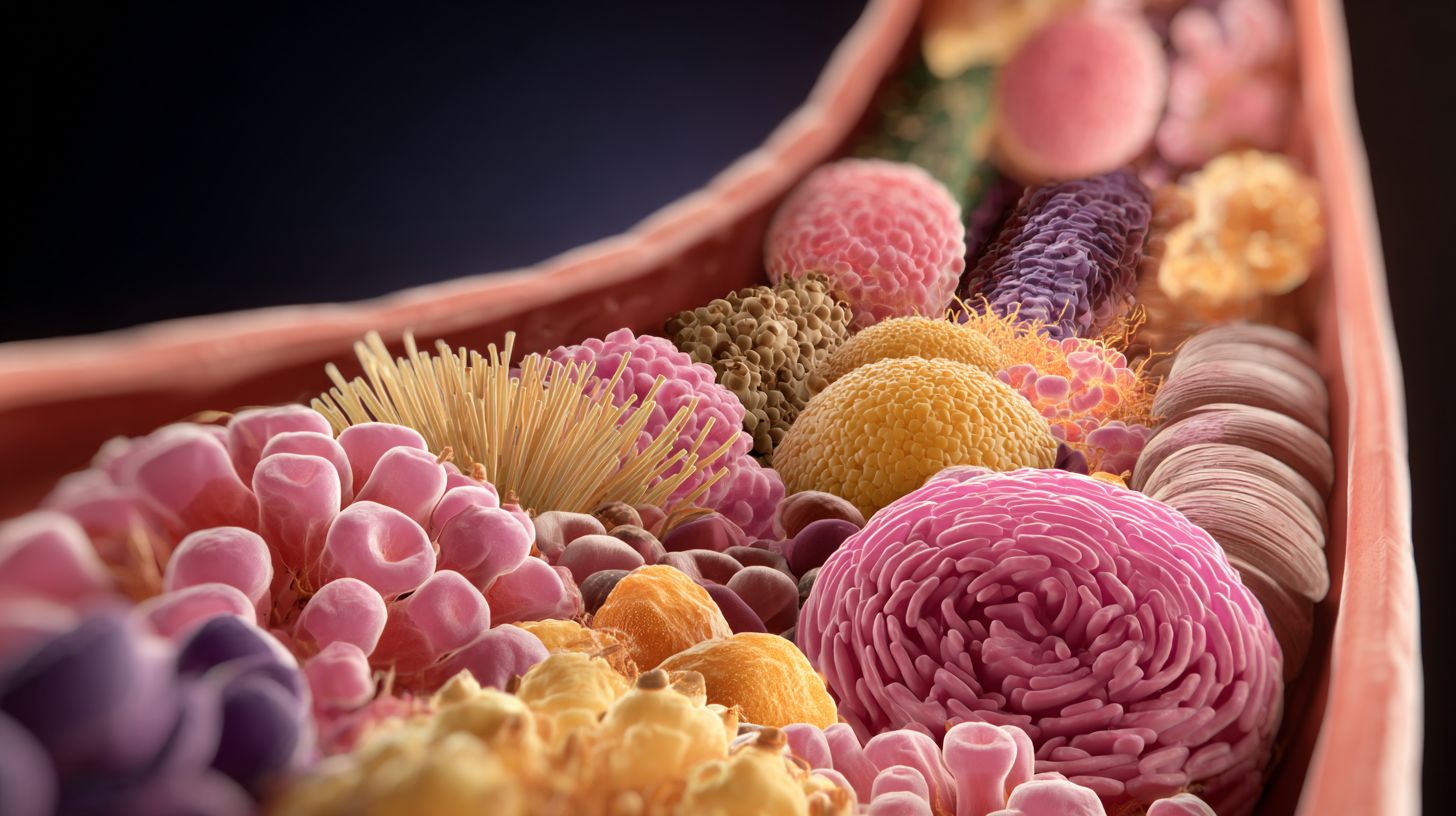
Fiber plays a crucial role in digestive health by adding bulk to stool, promoting regular bowel movements, and preventing constipation. The Role of Fiber in Maintaining a Healthy Digestive System (Guide 2026) explains that soluble fiber absorbs water to form a gel-like substance, softening stool, while insoluble fiber speeds up transit time through the intestines.
How much fiber should I consume daily for optimal digestive health as per The Role of Fiber in Maintaining a Healthy Digestive System (Guide 2026)?
The Role of Fiber in Maintaining a Healthy Digestive System (Guide 2026) recommends adults aim for 25-38 grams of fiber per day, depending on age and gender-25-30 grams for women and 30-38 grams for men-to support gut motility, microbial balance, and overall digestive wellness.
What are the benefits of soluble vs. insoluble fiber in digestion outlined in The Role of Fiber in Maintaining a Healthy Digestive System (Guide 2026)?
According to The Role of Fiber in Maintaining a Healthy Digestive System (Guide 2026), soluble fiber, found in oats and fruits, helps regulate blood sugar and cholesterol while feeding beneficial gut bacteria. Insoluble fiber, from whole grains and vegetables, adds bulk to prevent constipation and supports a healthy gut lining.
Can increasing fiber intake help prevent common digestive disorders per The Role of Fiber in Maintaining a Healthy Digestive System (Guide 2026)?
Yes, The Role of Fiber in Maintaining a Healthy Digestive System (Guide 2026) highlights that adequate fiber reduces the risk of diverticulitis, hemorrhoids, and colorectal cancer by promoting regularity, lowering inflammation, and fostering a diverse gut microbiome essential for long-term digestive health.
What are the best food sources of fiber recommended in The Role of Fiber in Maintaining a Healthy Digestive System (Guide 2026)?
The Role of Fiber in Maintaining a Healthy Digestive System (Guide 2026) lists top sources including beans, lentils, berries, apples, broccoli, whole grains like quinoa and brown rice, and chia seeds, emphasizing a varied intake to maximize both soluble and insoluble fiber benefits for digestive function.
How should I increase fiber intake gradually to avoid digestive discomfort as advised in The Role of Fiber in Maintaining a Healthy Digestive System (Guide 2026)?
The Role of Fiber in Maintaining a Healthy Digestive System (Guide 2026) advises starting with small increases, drinking plenty of water (at least 8 glasses daily), and incorporating fiber-rich foods over 2-4 weeks to prevent bloating or gas, allowing the gut to adapt for sustained digestive health.