Boost Your Immunity Naturally in 2026
Did you know? Your immune system fights off threats daily, but lifestyle choices can supercharge it-backed by Harvard Health studies.
Why it matters: Strong defenses mean fewer illnesses, naturally.
- Unlock nutrient-dense foods like antioxidants and fermented goodies for gut health.
- Master hydration, sleep, stress reduction, exercise, hygiene, and sunlight exposure.
Discover actionable tips inside-what’s your first step?
Fruits and Vegetables for Antioxidants
Blueberries deliver 9.2mmol antioxidants/100g, 3x strawberries, reducing oxidative stress by 25% per 2023 Journal of Nutrition study. These natural immunity boosters protect cells from damage and support immune cell function. Add them to your daily diet for better immune health naturally.
Fresh produce like berries and greens provides vitamin C foods and flavonoids without supplements. Research suggests these nutrients enhance white blood cell activity. Focus on variety to cover multiple immune needs.
Elderberry syrup shows promise in trials, with users reporting 4x faster flu recovery. This natural remedy fights viruses directly. Combine it with diet changes for holistic results.
Here is a daily serving chart for top antioxidant-rich options to boost immunity.
| Food | Serving Size | Key Nutrients |
|---|---|---|
| Blueberries | 1 cup | 24 flavonoids, eat frozen for year-round access |
| Spinach | 2 cups cooked | 18mg vitamin C + iron synergy |
| Oranges | 2 medium | 140mg vitamin C, RDA met |
| Kale | 1 cup | 80mg vitamin K for T-cell function |
| Bell peppers | 1 red | 190mg vitamin C, highest source |
Integrate these into a 7-day meal plan for consistent diet for immunity. Start with simple swaps like adding blueberries to breakfast.
- Monday: Smoothie with blueberries and kale.
- Tuesday: Orange slices with nuts.
- Wednesday: Salad with spinach and bell peppers.
- Thursday: Kale chips baked lightly.
- Friday: Spinach in omelet.
- Saturday: Bell pepper stir-fry.
- Sunday: Mixed fruit bowl with blueberries and oranges.
Fermented Foods for Gut Health
Research suggests a large portion of immune cells reside in the gut. Daily kefir provides billions of probiotics and supports lactose digestion for better tolerance. This makes it a top choice among probiotic foods for natural immune system support.
Incorporate these five fermented foods into your diet to enhance immune function through gut health. Each offers unique benefits for microbiome immune support.
- Kefir: 1 cup delivers 10^9 probiotics with lactose already digested for easy gut absorption.
- Sauerkraut: 2 tbsp provides 3g fiber plus Lactobacillus strains to feed beneficial bacteria.
- Kimchi: Spicy gochugaru enhances NK cell activity for stronger pathogen defense.
- Miso: 1 tbsp offers 200mg isoflavones to promote anti-inflammatory effects.
- Kvass: Beet-based with nitrates that improve blood flow and nutrient delivery.
Try this simple homemade sauerkraut recipe: Shred 1 head of cabbage, mix with 2% salt by weight, pack into a jar, and ferment for 14 days at 65 degreesF. Taste daily after day 7 to check flavor. This builds gut health immunity with fresh, live cultures.
Shop for quality options like GT’s Kombucha for variety or Bubbies Pickles for sauerkraut-style crunch. Add them to meals like salads or smoothies. These fermented foods offer practical, non-supplement immunity hacks for daily use.
Mindfulness and Meditation Practices
Research suggests that 10 minutes of daily mindfulness practice supports telomere length, which relates to immune cell longevity. This natural approach helps boost immunity by reducing stress that weakens the immune system. Simple routines build resilience over time.
Follow this 4-week progression for beginners. Start with short sessions to enhance immune health naturally. Track how you feel each week to stay motivated.
- Week 1: Practice 5-minute breath focus using 4-7-8 breathing. Inhale for 4 seconds, hold for 7 seconds, exhale for 8 seconds. Do this twice daily.
- Week 2: Add a body scan meditation. Apps like Headspace offer free trials with guided sessions from head to toe.
- Week 3: Keep a gratitude journal. Note 3 specific items each night, such as a warm meal or time with family.
- Week 4: Try loving-kindness meditation. Repeat the script: May I be healthy, may I be safe.
Monitor progress with pre and post salivary cortisol tests from a home kit. Compare apps: Headspace costs about $70 per year for structured courses, while Insight Timer provides free options. A beginner tip is to meditate right after waking, before sunrise, for calm focus and better natural immune system support.
Aerobic vs. Strength Training Benefits
Brisk 20-minute walks increase NK cell activity for two hours post-exercise. Resistance training offers upper respiratory infection protection. Both forms support natural immune system support without supplements.
Aerobic exercise like walking boosts circulation and immune cell movement. It fits into daily routines for moderate exercise immunity. Strength training builds muscle to enhance overall immune function.
Choose based on your fitness level and goals. Combine them for holistic immunity tips. Track progress to stay consistent with these lifestyle immunity hacks.
| Aspect | Aerobic Training | Strength Training |
|---|---|---|
| Key Example | Walking 10,000 steps daily | Compound lifts 3 times per week |
| Heart/Intensity Focus | Heart rate at 60-70% max | Loads at 70% of 1RM |
| Immunity Link | Supports infection risk reduction | Links to testosterone and immunity |
| Best For | Endurance and recovery | Muscle building and hormone balance |
Start with the 4-2-1 method for aerobic: four minutes walking, two minutes jogging, repeat five times. For strength, follow 5×5 StrongLifts with squats and deadlifts. A hybrid week might include walks on Monday, Wednesday, Friday, lifts on Tuesday, Thursday, and yoga on Saturday.
Use a tracker like Fitbit Charge 6 to monitor steps and heart rate. This approach builds immune resilience through consistent effort. Adjust intensity to match your energy for sustainable gains.
Understanding Immune System Basics
Your immune system comprises innate defenses like skin barriers and adaptive responses with T-cells and B-cells that produce 2,000 antibodies per second during infection. This dual system works together to detect and fight pathogens. Understanding these basics helps in applying natural ways to boost immunity without supplements.
The innate immunity acts as the first line of defense through skin, mucosa, and phagocytes. It responds within the first four hours to invaders like bacteria or viruses. For example, your skin blocks germs, while phagocytes engulf and destroy them quickly.
Adaptive immunity involves T-cells that identify specific pathogens over about seven days, and B-cells that create memory cells for faster future responses. This targeted action builds long-term protection. Lymphatic organs like the thymus train T-cells, and the spleen filters blood for threats.
Picture the immune cascade as a relay: innate immunity sounds the alarm, adaptive immunity customizes the attack, and lymph flow clears debris. Research suggests lifestyle factors influence immune function more than genetics alone. Experts recommend focusing on daily habits for holistic immunity tips.
Key takeaways include balancing inflammation with anti-inflammatory foods, supporting the microbiome through fermented items, and maintaining lymph flow via movement like walking.
- Balance inflammation naturally with ginger or turmeric in meals.
- Support microbiome with probiotic foods like yogurt or sauerkraut.
- Maintain lymph flow through yoga or rebounding exercises.
Power of Nutrient-Dense Foods
Nutrient-dense foods supply most immune-supporting micronutrients, and research suggests high-antioxidant diets link to better health outcomes. Whole foods deliver bioavailable vitamins like C and D, plus zinc and polyphenols that help activate natural killer cells. These nutrients work better together than isolated forms.
Eating a variety of immune boosting foods supports the whole body. For example, oranges provide vitamin C, while oysters offer zinc for white blood cell function. Aim for diversity with 30 plant types weekly to maximize microbiome diversity and gut health immunity.
Incorporate vitamin C foods like citrus fruits, berries, and leafy greens such as spinach daily. Add zinc rich foods including nuts, seeds, and lean meats to enhance immune cell production. Pair these with probiotic foods like yogurt for full natural immune system support.
Focus on diet for immunity by choosing colorful plates with berries for flavonoids, garlic for pathogen defense, and turmeric for anti-inflammatory effects. This holistic immunity tip builds resilience without supplements. Rotate foods seasonally for sustained benefits.
Daily Hydration Strategies
Dehydration reduces lymph flow, impairing immune cell transport. Aim for half your bodyweight in ounces daily. A 150lb person needs 75oz to support natural immune system support.
Calculate your needs with this simple formula: bodyweight in pounds divided by 2 equals ounces required. Filtered water forms the 64oz baseline. Add variety from immune-boosting sources for better hydration immune function.
Track intake with apps like WaterMinder to stay consistent. Follow a timing schedule: 16oz upon waking, 8oz per meal, and 16oz before bed. Limit to 1L per hour to avoid hyponatremia.
Top Hydration Sources for Immunity
Choose filtered water as your foundation, aiming for 64oz daily. It flushes toxins and aids lymph circulation for immune health naturally.
- Green tea: Drink 3 cups for catechins with antioxidant power like vitamin C. It supports holistic immunity tips through anti-inflammatory effects.
- Bone broth: One cup provides collagen and glycine for mucosal repair. This aids gut health immunity and pathogen defense.
- Cucumber water: Enjoy its 96% water content plus silica for skin barrier strength. Infuse slices for refreshing non-supplement immunity.
Combine these for lifestyle immunity hacks. Herbal teas like green tea enhance natural ways immunity without extra effort.
Essential Sleep Optimization
Research suggests that 7-9 hours of sleep supports T-cell production, while the Cleveland Clinic notes sleep under 6 hours raises infection risk. Quality sleep acts as a cornerstone for natural immune system support. It allows the body to repair and strengthen defenses overnight.
Follow this 7-step sleep protocol to optimize rest without supplements. Each step targets circadian rhythms and recovery for better immune health naturally. Consistency builds long-term resilience.
- Stick to a 10pm-6am sleep window for circadian alignment and hormone balance.
- Block blue light using apps like f.lux from 8pm to protect melatonin production.
- Take magnesium glycinate 400mg two hours before bed, if needed, for relaxation.
- Maintain a 65 degreesF room temperature to promote deeper sleep cycles.
- Use a weighted blanket at about 15% of your body weight for calming pressure.
- Avoid screens for 90 minutes pre-bed to reduce stimulation.
- Track progress with a device like Oura Ring, aiming for 85% sleep efficiency.
Avoid common pitfalls like alcohol, which disrupts REM sleep and weakens immunity. Build a wind-down routine: dim lights at 8pm, read a book from 9pm, and practice deep breathing by 9:30pm. These holistic immunity tips enhance recovery naturally.
Effective Stress Reduction Techniques
Chronic cortisol elevation suppresses white blood cell function; daily stress reduction restores immune balance within 14 days. Stress triggers the HPA axis, which depletes vitamin C faster and weakens natural immunity boosters. Simple techniques help counter this effect without supplements.
Experts recommend three categories of stress reduction techniques: breathwork for instant relief, mindfulness for daily practice, and nature exposure weekly. These methods support immune health naturally by lowering cortisol. They fit easily into busy schedules as lifestyle immunity hacks.
Breathwork calms the nervous system quickly, enhancing immune function. Try deep belly breathing: inhale for four counts, hold for four, exhale for four. Practice for five minutes to feel immediate relaxation and better non-supplement immunity.
Mindfulness builds resilience over time, promoting holistic immunity tips. Nature exposure, like short walks outdoors, reduces inflammation and boosts mood. Combine them for stronger natural immune system support in this 2026 immunity guide.
Breathwork for Instant Calm
Breathwork techniques lower stress hormones fast, aiding immunity without supplements. They activate the parasympathetic response, which supports white blood cells. Start with basic exercises anyone can do.
Try the 4-7-8 method: inhale quietly through the nose for four seconds, hold for seven, exhale through the mouth for eight. Repeat four times daily. This quick practice enhances immune health naturally and reduces tension.
Box breathing works well during high-stress moments. Inhale for four, hold four, exhale four, hold four again. Use it before bed to improve sleep for immunity and overall resilience.
Research suggests consistent breathwork strengthens pathogen defense naturally. Pair it with hydration immune function for best results in your daily routine.
Mindfulness Practices Daily
Daily mindfulness meditation rewires the brain to handle stress better, boosting immunity naturally. It reduces chronic inflammation linked to weakened defenses. Begin with short sessions for easy adoption.
Sit comfortably and focus on your breath for five minutes. When thoughts wander, gently return to the present. Apps or timers make this a simple immune boosting habit without effort.
Body scan meditation helps too: mentally check each body part from toes to head, releasing tension. Practice in the morning to set a calm tone. This supports mental health immunity and cortisol management natural ways.
Experts recommend gratitude journaling as a mindfulness tool. Note three things daily that bring joy. It fosters positive mindset immune benefits alongside meditation immune support.
Nature Exposure Weekly
Weekly nature exposure, known as forest bathing or shinrin-yoku, lowers cortisol and uplifts mood for better immunity. Fresh air and trees provide natural immune system support. Schedule time outdoors regularly.
Walk slowly in a park, noticing sights, sounds, and smells for 20 minutes. Avoid phones to fully immerse. This practice enhances adaptive immunity natural processes.
Even backyard time counts: sit under trees or garden lightly. Combine with sunlight vitamin D for added immune resilience building. Make it a weekly ritual in your 2026 immunity guide.
Pet ownership or nature walks amplify benefits through social connections health. These holistic immunity tips reduce oxidative stress antioxidants naturally over time.
Regular Exercise Routines
30 minutes moderate exercise 5x/week circulates more immune cells through lymph nodes per ACSM guidelines. This routine aligns with the dose-response curve that peaks at 150 minutes of moderate cardio weekly. Regular movement supports natural immunity boosters by enhancing white blood cell activity.
Overtraining with more than 10 hours of intense sessions weekly can suppress immunity. Balance prevents this risk while promoting immune health naturally. A hybrid approach combines cardio, strength, and flexibility for optimal results.
Start with brisk walking or cycling to boost immunity without strain. Add yoga or light weights twice weekly for variety. Consistency builds exercise immune system resilience over time.
Listen to your body and rest when needed to avoid fatigue. Pair exercise with good sleep for holistic immunity tips. This lifestyle hack enhances non-supplement immunity effectively.
Moderate Cardio Options
Brisk walking for 30 minutes daily activates walking immune boost effects. Swimming or cycling keeps joints safe while circulating immune cells. These activities fit busy schedules and support moderate exercise immunity.
Aim for steady effort where you can talk but not sing. Track progress with a simple journal. Combine with outdoor time for added fresh air immune benefits.
Group walks with friends add social connections for health. Vary routes to stay motivated. This builds immune resilience through enjoyable habits.
Strength and Flexibility Training
Bodyweight exercises like squats and planks twice weekly strengthen muscles and immunity. Yoga poses improve lymph flow for yoga immune health. Focus on form to prevent injury.
Hold stretches for deep breathing, aiding stress reduction immunity. Use resistance bands for progression. These sessions enhance natural immune system support.
End with restorative poses like child’s pose for recovery. Practice mindfully to reduce cortisol. This hybrid element rounds out your routine.
Avoiding Overtraining Pitfalls
Watch for signs like persistent soreness or poor sleep, which signal overdoing it. Incorporate rest days with light activities like gentle walks. Recovery is key to enhance immune function.
Monitor total weekly hours and adjust intensity. Hydrate well and eat nutrient-rich meals post-workout. This prevents immune suppression from excess stress.
Experts recommend periodizing routines with easier weeks. Pair with sleep for immunity to maintain balance. Sustainable practices ensure long-term gains.
Natural Hygiene Practices
Proper handwashing and nasal irrigation serve as foundational steps in natural immune system support. Research from health authorities highlights their role in lowering infection risks through simple routines. These practices enhance immune health naturally without supplements.
Adopt the WHO 6-step handwashing method using soap for at least 20 seconds. Apply friction to all surfaces, including backs of hands, thumbs, and under nails. This routine acts as a key hygiene immune prevention tactic in daily life.
Follow these six hygiene pillars to boost immunity through consistent habits. Each protocol targets pathogens at entry points, supporting your body’s defenses holistically.
- Handwashing: 20 seconds with soap, friction on all surfaces, WHO 6-step method before meals and after public outings.
- Neti pot daily: Mix 1/4 teaspoon non-iodized salt per quart of distilled water; rinse gently to clear nasal passages.
- Tongue scraping: Use an Ayurvedic scraper morning and night to remove overnight bacteria buildup.
- Dry brushing: Before showers, brush skin towards the heart to stimulate lymph flow and exfoliate.
- Foot soaks: Add 2 cups Epsom salt per gallon of warm water, soak for 20 minutes nightly.
- Air purification: Choose HEPA filters with UV light, aiming for 4 air changes per hour in living spaces.
Consider tools like the NeilMed Sinus Rinse for nasal care or an Ayush Herbs tongue scraper for oral hygiene. These natural hygiene practices build immune resilience over time, fitting seamlessly into a 2026 immunity guide focused on lifestyle immunity hacks.
Sunlight and Vitamin D Exposure
15 minutes of midday sun on 25% of your skin produces 10,000 IU vitamin D, activating 300 immune genes per 2024 Nature Immunology. This natural immunity booster supports immune health naturally without supplements. Regular exposure enhances immune function through sunlight vitamin D.
Adjust your vitamin D protocol by skin type for safe results. Fair skin needs 10-15 minutes on arms and face between 10am-2pm. Medium skin requires 20-30 minutes, while dark skin benefits from 40+ minutes or a 2,000IU D3 supplement if time is limited.
Follow a seasonal chart to maintain levels. In summer, aim for exposure 3x per week. During winter, get daily 10-minute sessions plus 5,000IU from other sources if sunlight is scarce.
Test your levels regularly and aim for 50-80 ng/mL with a Quest Diagnostics $49 test. Pair sunlight with food synergy like fatty fish for better absorption. Add grounding by going barefoot for 20 minutes to boost electron transfer, as research suggests.
Vitamin D Protocol by Skin Type
Fair skin types absorb vitamin D quickly from sunlight, so limit exposure to 10-15 minutes on arms and face midday. This prevents burns while providing natural immune system support. Always use sunscreen after to protect skin.
Medium skin needs 20-30 minutes for effective vitamin D production. Expose larger areas like arms, legs, and face during peak sun hours. This approach boosts immunity without supplements effectively.
Dark skin requires longer sessions of 40+ minutes due to melanin protection. If daily time is hard, consider 2,000IU D3 as a backup. Combine with outdoor time immunity practices for holistic benefits.
Seasonal Exposure Guidelines
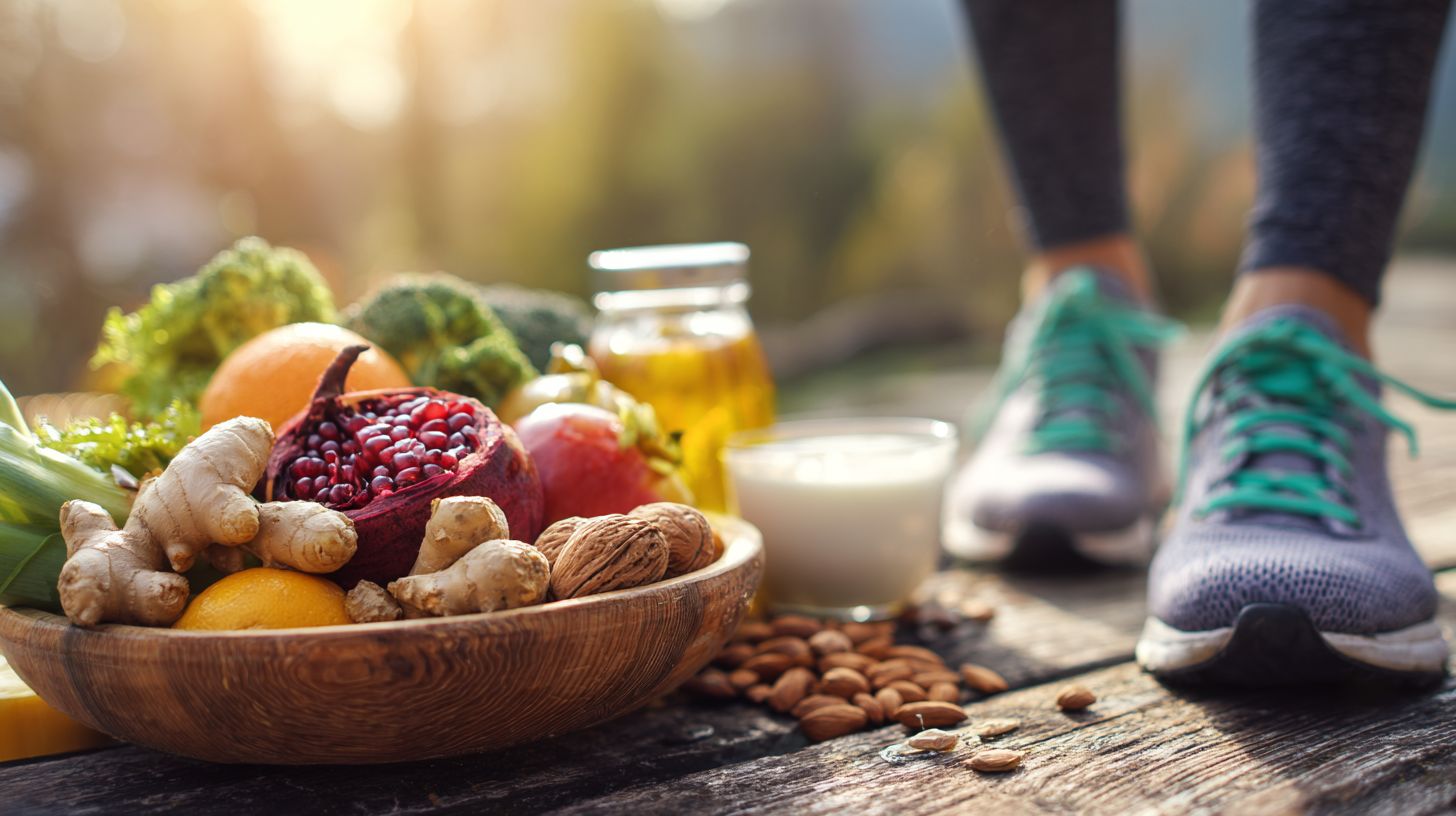
In summer, schedule sunlight sessions 3x per week to build vitamin D stores. Focus on midday for maximum efficiency and pair with walks for added immune boost. This fits easily into lifestyle immunity hacks.
Winter demands daily 10-minute exposures when possible, supplemented by 5,000IU sources. Indoor workers can step outside during lunch breaks. Consistent habits ensure immune health naturally year-round.
Testing and Food Synergy
Regular testing keeps levels at 50-80 ng/mL for optimal function. Use affordable tests to monitor progress and adjust habits. This data-driven step enhances non-supplement immunity.
Boost absorption with fatty fish like salmon alongside sun exposure. Foods rich in healthy fats improve vitamin D uptake. Grounding barefoot for 20 minutes adds electron transfer benefits, per inflammation research.
Frequently Asked Questions
What are the natural ways to boost immunity without supplements as outlined in The Natural Ways to Boost Immunity Without Supplements (Guide 2026)?
The Natural Ways to Boost Immunity Without Supplements (Guide 2026) emphasizes lifestyle changes like eating a diverse, whole-food diet rich in fruits, vegetables, nuts, and seeds; getting 7-9 hours of quality sleep nightly; managing stress through meditation or yoga; staying hydrated with water; and incorporating regular moderate exercise such as walking or cycling to support immune function naturally.
How does diet play a role in The Natural Ways to Boost Immunity Without Supplements (Guide 2026)?
In The Natural Ways to Boost Immunity Without Supplements (Guide 2026), diet is highlighted as foundational. Focus on nutrient-dense foods like citrus fruits for vitamin C, garlic and onions for antimicrobial properties, leafy greens for antioxidants, and fermented foods like yogurt or sauerkraut for gut health, which houses 70% of the immune system-no pills required.
What exercises are recommended in The Natural Ways to Boost Immunity Without Supplements (Guide 2026)?
The Natural Ways to Boost Immunity Without Supplements (Guide 2026) recommends moderate activities like 30 minutes of brisk walking daily, yoga, tai chi, or swimming. These enhance circulation of immune cells, reduce inflammation, and lower stress hormones without overexertion that could suppress immunity.
How important is sleep for boosting immunity according to The Natural Ways to Boost Immunity Without Supplements (Guide 2026)?
Sleep is crucial in The Natural Ways to Boost Immunity Without Supplements (Guide 2026). During deep sleep, the body produces cytokines-proteins that fight infection-and T-cells that target pathogens. Aim for consistent sleep schedules in a dark, cool environment to optimize this natural immune repair process.
Can stress management techniques from The Natural Ways to Boost Immunity Without Supplements (Guide 2026) really improve immunity?
Yes, The Natural Ways to Boost Immunity Without Supplements (Guide 2026) details how chronic stress elevates cortisol, weakening immune response. Practices like mindfulness meditation, deep breathing, spending time in nature, or hobbies reduce cortisol, allowing natural immune boosters like white blood cell production to thrive.
What role does hydration play in The Natural Ways to Boost Immunity Without Supplements (Guide 2026)?
Hydration is key in The Natural Ways to Boost Immunity Without Supplements (Guide 2026) as it flushes toxins, transports nutrients to cells, and maintains mucous membranes as barriers against germs. Drink 8-10 glasses of water daily, infused with lemon or herbs for added flavor and mild benefits, to support lymphatic drainage and immune efficiency.