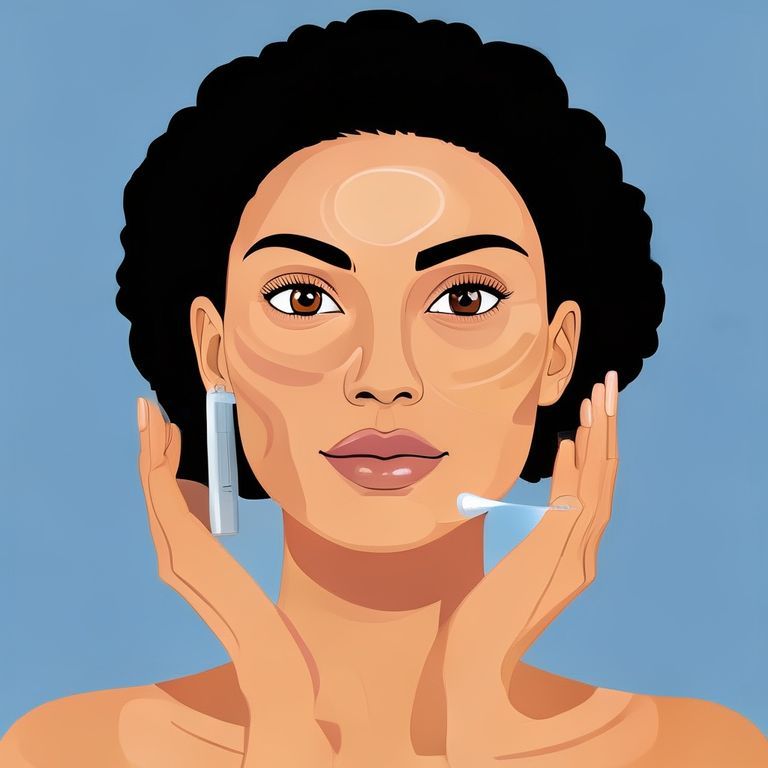
Your skin is your body’s largest organ—and one of its most important. It acts as a protective barrier against environmental toxins, regulates body temperature, and plays a vital role in your overall health. With the rise of digital wellness culture and the growing popularity of health-focused lifestyles, more people are turning to science-backed skin care tips to maintain glowing, resilient skin. Whether you’re a wellness enthusiast, a fitness lover, or someone simply striving to live a healthier life, understanding how to care for your skin properly is essential.
In this comprehensive guide, we’ll explore practical, research-supported skin care tips tailored for health-conscious individuals. From daily routines to ingredient awareness, we’ll cover everything you need to know to support your skin’s natural functions and enhance your well-being—naturally and sustainably.
Why Skin Care Matters for Overall Health
Many people view skin care as a cosmetic concern, but it’s deeply connected to your internal health. Your skin reflects what’s happening inside your body. Poor diet, lack of sleep, chronic stress, and dehydration can all manifest as dullness, breakouts, or premature aging. Conversely, a balanced lifestyle supports healthy skin from the inside out.
According to dermatologists and integrative health experts, maintaining a consistent skin care routine isn’t just about looking good—it’s about protecting your body’s first line of defense. The skin barrier prevents pathogens from entering, retains moisture, and regulates inflammation. When this barrier is compromised, you’re more susceptible to infections, allergies, and chronic skin conditions like eczema or acne.
For health-addicted individuals who prioritize wellness, skin care is a natural extension of self-care. It’s not vanity—it’s vitality.
1. Cleanse Gently, But Thoroughly
One of the most fundamental skin care tips is proper cleansing. However, over-cleansing or using harsh products can strip your skin of its natural oils, leading to dryness, irritation, and even increased oil production as a compensatory response.
Choose a gentle, pH-balanced cleanser that removes dirt, sweat, and makeup without disrupting your skin’s microbiome. Look for ingredients like glycerin, ceramides, or hyaluronic acid, which support hydration. Avoid sulfates and alcohol-based formulas, which can be overly drying.
For most people, cleansing once in the evening is sufficient. Over-washing—especially in the morning—can do more harm than good. If you have oily or acne-prone skin, a second cleanse may be helpful, but always follow with a moisturizer to maintain balance.
Tip: Use lukewarm water instead of hot water, which can damage the skin barrier over time.
2. Moisturize Daily—Even If You Have Oily Skin
Moisturizing is a non-negotiable step in any effective skin care routine. It helps maintain the skin’s barrier function, prevents transepidermal water loss, and keeps skin soft and supple.
Contrary to popular belief, oily skin still needs hydration. Skipping moisturizer can trigger your sebaceous glands to produce even more oil, leading to clogged pores and breakouts. Instead, opt for a lightweight, non-comedogenic moisturizer that won’t clog pores.
For dry or mature skin, richer formulas with ceramides, peptides, or squalane can help repair and strengthen the skin barrier. Apply moisturizer while your skin is still slightly damp to lock in moisture.
Health-conscious individuals should also consider the ingredients in their moisturizers. Avoid synthetic fragrances, parabens, and mineral oils when possible. Instead, choose products with natural emollients like shea butter, jojoba oil, or aloe vera.
3. Use Sunscreen Every Day—Rain or Shine
Sun protection is arguably the most important skin care tip for long-term health. Ultraviolet (UV) radiation from the sun is the leading cause of premature aging, hyperpigmentation, and skin cancer. Even on cloudy days or when indoors near windows, UVA rays can penetrate glass and damage skin cells.
Dermatologists recommend using a broad-spectrum sunscreen with at least SPF 30 daily. Broad-spectrum means it protects against both UVA (aging) and UVB (burning) rays. Apply it as the final step in your morning routine, even if you’re not planning to go outside.
For health-focused individuals, mineral-based sunscreens containing zinc oxide or titanium dioxide are excellent choices. These ingredients sit on top of the skin and physically block UV rays, making them less likely to cause irritation or hormonal disruption compared to some chemical filters.
Reapply every two hours if you’re outdoors, and don’t forget often-missed areas like your ears, neck, and the back of your hands.
4. Eat for Your Skin: Nutrition Matters
Your diet plays a powerful role in skin health. What you eat directly impacts inflammation, hydration, and collagen production. For health-addicted individuals, aligning skin care with nutrition is a natural step toward holistic wellness.
Focus on a diet rich in antioxidants, healthy fats, and essential vitamins. Foods high in vitamin C (like citrus fruits, bell peppers, and broccoli) support collagen synthesis and protect against oxidative stress. Omega-3 fatty acids found in fatty fish, flaxseeds, and walnuts help maintain the skin’s lipid barrier and reduce inflammation.
Hydration is equally important. While drinking water alone won’t “detox” your skin, proper hydration supports circulation and helps flush out toxins. Aim for at least 2 liters of water per day, more if you’re active or live in a dry climate.
Avoid excessive sugar and processed foods, which can spike insulin levels and contribute to acne and glycation—a process that damages collagen and leads to wrinkles.
Bonus tip: Green tea, rich in polyphenols, has been shown in studies to reduce UV damage and soothe irritated skin. Consider drinking it regularly or using it as a toner.
5. Prioritize Sleep and Stress Management
Your skin regenerates and repairs itself primarily at night. During deep sleep, blood flow increases, delivering oxygen and nutrients to skin cells. This is when collagen production peaks and cellular turnover accelerates.
Chronic sleep deprivation can lead to dull skin, dark circles, and increased signs of aging. Aim for 7–9 hours of quality sleep each night. Create a calming bedtime routine, limit screen time before bed, and keep your bedroom cool and dark.
Stress is another major skin disruptor. Cortisol, the stress hormone, can trigger inflammation, break down collagen, and worsen conditions like acne, psoriasis, and eczema. Practices like meditation, yoga, deep breathing, or journaling can help manage stress and support skin health.
For health-conscious individuals, integrating mindfulness into your daily routine isn’t just good for your mind—it’s beneficial for your skin, too.
6. Exfoliate Wisely—Not Too Often, Not Too Harsh
Exfoliation removes dead skin cells, unclogs pores, and promotes cell turnover. However, over-exfoliation is a common mistake that can damage the skin barrier and lead to sensitivity, redness, and breakouts.
There are two main types of exfoliation: physical (scrubs, brushes) and chemical (AHAs, BHAs, enzymes). Chemical exfoliants are generally gentler and more effective for most skin types. Alpha hydroxy acids (like glycolic and lactic acid) work on the surface, while beta hydroxy acids (like salicylic acid) penetrate pores to clear oil and debris.
For normal to oily skin, exfoliating 2–3 times per week is usually sufficient. Sensitive or dry skin may only need it once a week or less. Always follow exfoliation with a hydrating serum and moisturizer to support recovery.
Avoid harsh scrubs with jagged particles, which can cause micro-tears in the skin. Instead, choose smooth, rounded beads or enzyme-based exfoliants.
7. Know Your Skin Type and Adjust Accordingly
Not all skin care tips work for everyone. Understanding your skin type—oily, dry, combination, sensitive, or normal—is key to building an effective routine.
Oily skin benefits from lightweight, oil-free products and ingredients like niacinamide or salicylic acid. Dry skin needs richer moisturizers and barrier-repairing ingredients like ceramides and hyaluronic acid. Sensitive skin should avoid fragrances, alcohol, and strong actives.
You can determine your skin type by observing how your skin feels throughout the day. Does it feel tight and flaky? Shiny by midday? Or balanced and comfortable? Use this insight to choose products that support your skin’s unique needs.
Remember: skin type can change with age, hormones, climate, and lifestyle. Reassess your routine seasonally or during major life changes.
8. Be Cautious with Trendy Ingredients
The skin care world is full of buzzwords—retinol, vitamin C, peptides, bakuchiol, and more. While many of these ingredients are scientifically proven to work, not all products deliver on their promises.
Retinoids, for example, are gold-standard ingredients for anti-aging and acne, but they can cause irritation if introduced too quickly. Start with a low concentration and use them at night, always followed by sunscreen during the day.
Vitamin C serums brighten skin and protect against free radicals, but they degrade quickly when exposed to light and air. Store them in dark, airtight bottles and replace them every 3–6 months.
Be wary of “miracle” products or exaggerated claims. Look for clinical studies, transparent ingredient lists, and reputable brands. When in doubt, consult a dermatologist.
9. Hydrate from the Outside In
While drinking water is important, topical hydration is equally crucial. Ingredients like hyaluronic acid, glycerin, and sodium PCA attract water to the skin and help retain it.
Hyaluronic acid, in particular, can hold up to 1,000 times its weight in water. It’s safe for all skin types and works well under moisturizers or serums. Apply it to damp skin for maximum absorption.
For extra hydration, consider using a humidifier in your bedroom, especially during winter months when indoor air tends to be dry. This simple addition can significantly improve skin texture and comfort.
10. Listen to Your Skin—It Talks
Your skin communicates its needs. Redness, itching, flaking, or breakouts are signs that something is off—whether it’s your routine, diet, or environment.
Pay attention to how your skin reacts to new products. Introduce one at a time and wait a few weeks before adding another. This helps you identify what works and what doesn’t.
If you experience persistent irritation, rashes, or severe acne, consult a board-certified dermatologist. Skin conditions like rosacea, eczema, or hormonal acne often require professional treatment.
Remember: healthy skin isn’t about perfection. It’s about balance, consistency, and self-awareness.
Final Thoughts: Skin Care as Self-Care
For health-addicted individuals, skin care is more than a beauty ritual—it’s a form of preventive health care. By adopting science-backed habits like daily sun protection, gentle cleansing, proper hydration, and stress management, you’re not just improving your appearance. You’re supporting your body’s natural defenses and promoting long-term wellness.
Start small. You don’t need a 10-step routine or expensive products to see results. Focus on consistency, quality ingredients, and listening to your body. Over time, these habits will compound, leading to healthier, more resilient skin.
And most importantly, be kind to yourself. Skin health is a journey, not a destination. Celebrate progress, not perfection.
Your skin deserves the same care and attention you give to your diet, fitness, and mental well-being. When you treat it with respect, it will reflect that care back to you—glowing, strong, and full of life.