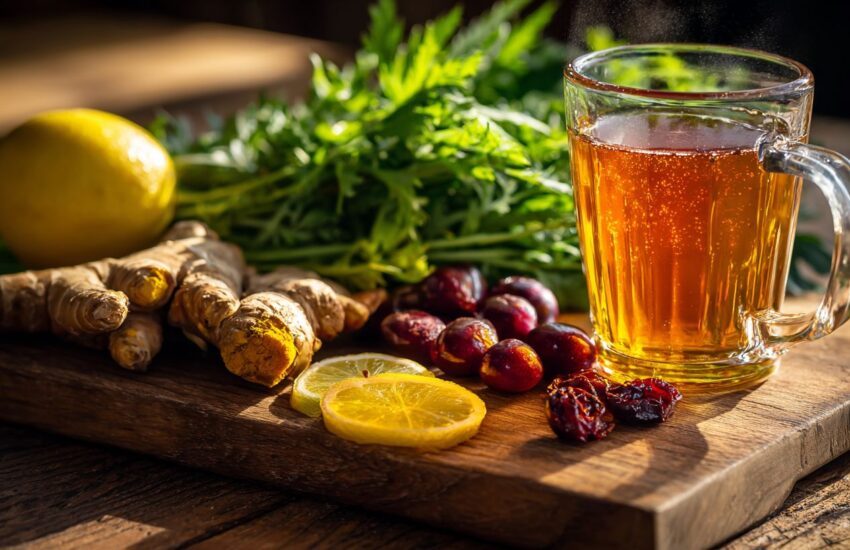
Natural Tips for Reducing Inflammation in the Body (Guide 2026)
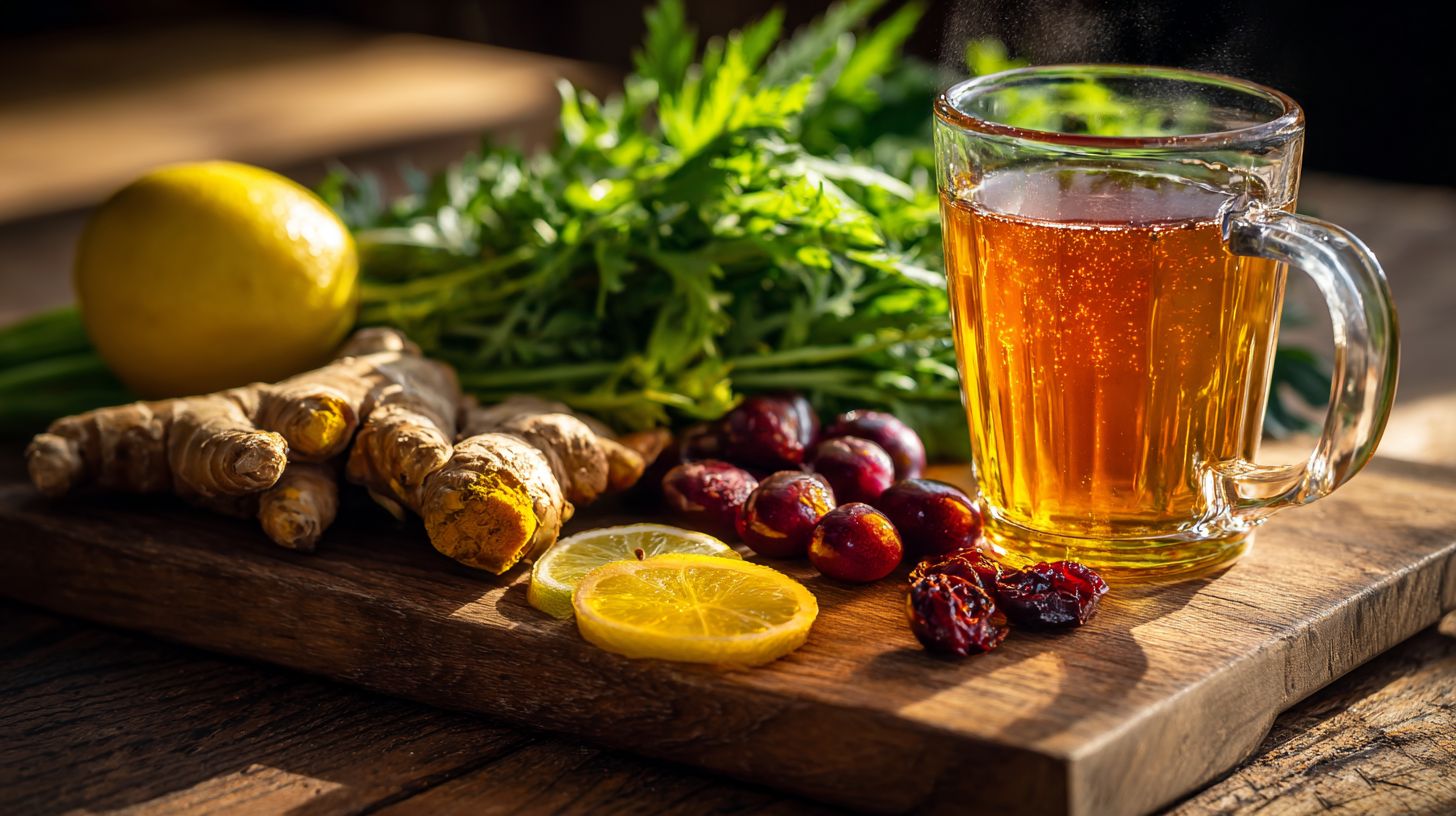
Feel constant fatigue or joint pain? Chronic inflammation silently fuels these issues, raising risks for heart disease and diabetes, per Harvard studies.
Discover proven strategies to fight back:
- Build an anti-inflammatory diet with daily foods and avoids
- Harness turmeric, curcumin, and key supplements
- Adopt stress relief, exercise, sleep, and hydration habits
- Track progress for lasting relief
Ready to reclaim your vitality naturally?
Understanding Inflammation
Inflammation triggers your body’s natural defense against injury or infection, but when it persists, it fuels diseases like arthritis and heart conditions. This immune response helps heal wounds short-term, yet ongoing cases harm tissues over time.
Acute inflammation acts fast for cuts or sprains, causing redness and swelling that fade quickly. Chronic inflammation simmers silently, leading to fatigue, joint pain, or unexplained weight gain without obvious signs.
Research suggests diet and lifestyle play key roles in chronic inflammation levels. Visible cues like skin redness differ from hidden effects such as ongoing stiffness or low energy.
Spotting these patterns early supports inflammation reduction strategies. Next sections share natural tips like anti-inflammatory foods and lifestyle tweaks for better wellness.
Acute vs. Chronic Inflammation
Acute inflammation heals cuts in 3-5 days; chronic inflammation raises CRP levels above normal, linking to higher risks for various conditions. Experts recommend tracking markers like CRP under 1mg/L and ESR below 20mm/hr for healthy ranges.
| Type | Duration | Symptoms | Purpose | Example | Blood Markers |
|---|---|---|---|---|---|
| Acute | Hours to days | Redness, swelling, heat, pain | Healing and repair | Sprained ankle | CRP temporarily elevated |
| Chronic | Months to years | Fatigue, weight gain, joint pain | Tissue damage | Rheumatoid arthritis | CRP >3mg/L, ESR >30mm/hr |
Chronic forms connect to conditions like heart disease, diabetes, and autoimmune issues. Research suggests links to rheumatoid arthritis, IBS inflammation, and skin issues like eczema.
Managing chronic types involves natural remedies such as turmeric curcumin or omega-3 from fatty fish. Track symptoms and consult tests for personalized inflammation guides.
Anti-Inflammatory Diet Basics
Your plate determines much of your body’s inflammation levels. Follow Mediterranean diet principles with omega-3s, antioxidants, and fiber to support reducing inflammation. Research from the PREDIMED study shows benefits for cardiovascular health.
Focus on whole foods over processed items for natural tips in this inflammation guide. Eat fatty fish like salmon, leafy greens such as spinach, and berries daily. Avoid refined sugars and trans fats to lower inflammation markers like CRP.
Build your daily plate with 50% vegetables, 25% lean protein, and 25% healthy fats like olive oil. This model promotes gut health and microbiome balance. Experts recommend it for chronic inflammation relief and joint pain support.
Preview key foods: include turmeric curcumin in meals and omega-3 fatty acids from flaxseeds or walnuts. Swap seed oils for coconut oil. These 2026 health tips emphasize sustainable dietary changes for holistic wellness.
Foods to Eat Daily
Eat 3 servings of fatty fish weekly, such as salmon or mackerel, for omega-3 fatty acids. These support joint pain relief and immune system balance. Add them to salads or grill for easy meals.
| Food | Serving Size | Key Compound | Benefit | Example Meal |
|---|---|---|---|---|
| Salmon | 4oz | EPA/DHA | Joint pain relief | Grilled with broccoli |
| Turmeric | 1tsp | Curcumin | Reduces oxidative stress | Golden milk latte |
| Blueberries | 1 cup | Anthocyanins | Antioxidant support | Smoothie with spinach |
| Spinach | 2 cups | Quercetin | Supports CRP levels | Salad with walnuts |
Follow this daily food checklist for anti-inflammatory foods. Include green leafy vegetables like kale, berries such as strawberries, and nuts like almonds. These provide polyphenols and flavonoids for inflammation reduction strategies.
Sample 7-day meal plan starts Monday with chia pudding topped with berries for breakfast. Tuesday: smoothie with kefir and pineapple bromelain. Wednesday: bone broth soup with garlic and onion. Continue with variety for sustained benefits in muscle recovery and arthritis natural remedies.
Foods to Avoid
Cut refined sugar intake sharply to help manage inflammation markers. Excess sugar promotes oxidative stress and disrupts gut health. Opt for natural sweeteners like fruit in moderation.
- Soda: High fructose raises uric acid, swap for sparkling water with lemon.
- French fries: Seed oils increase oxidative stress, choose air-baked sweet potato fries.
- White bread: Causes glycemic spikes, replace with sourdough rye or quinoa.
- Processed meats: Contain additives that fuel chronic inflammation, pick grilled chicken or tofu.
- Trans fats in margarine: Harm healthy fats balance, use olive oil instead.
- Refined carbs like pastries: Spike blood sugar, go for oats or sweet potatoes.
- Excess alcohol: Promotes liver inflammation, limit to moderation with herbal teas.
Use this list of foods to avoid with practical replacements for your shopping list. Focus on low glycemic foods, fiber rich options, and prebiotics from fermented foods like sauerkraut. These swaps support weight management and detoxification.
Try a 30-day elimination challenge: Week 1, remove soda and sugar. Week 2, cut seed oils and fries. Weeks 3-4, eliminate refined carbs and track joint pain or swelling reduction. Pair with hydration, green tea, and walking for better results in this wellness guide.
Key Supplements and Herbs
Supplements can amplify the effects of anti-inflammatory foods in your diet. Always choose third-party tested brands with NSF or USP certification for quality assurance. Research suggests these options help reduce body inflammation markers when paired with proper diet.
Bioavailability matters greatly, as curcumin needs piperine from black pepper for better absorption, and vitamin D requires fat for uptake. Experts recommend checking for medication interactions before starting any supplement. A deep dive into turmeric follows this overview.
Standardized curcumin at 500mg with Bioperine supports arthritis pain relief, often working alongside natural remedies like ginger root. Combine with omega-3 fatty acids from fatty fish such as salmon for enhanced effects in this inflammation guide.
Start low and monitor your response over weeks. Pair supplements with lifestyle modifications like walking or yoga for holistic inflammation reduction strategies in 2026 health tips.
Turmeric and Curcumin
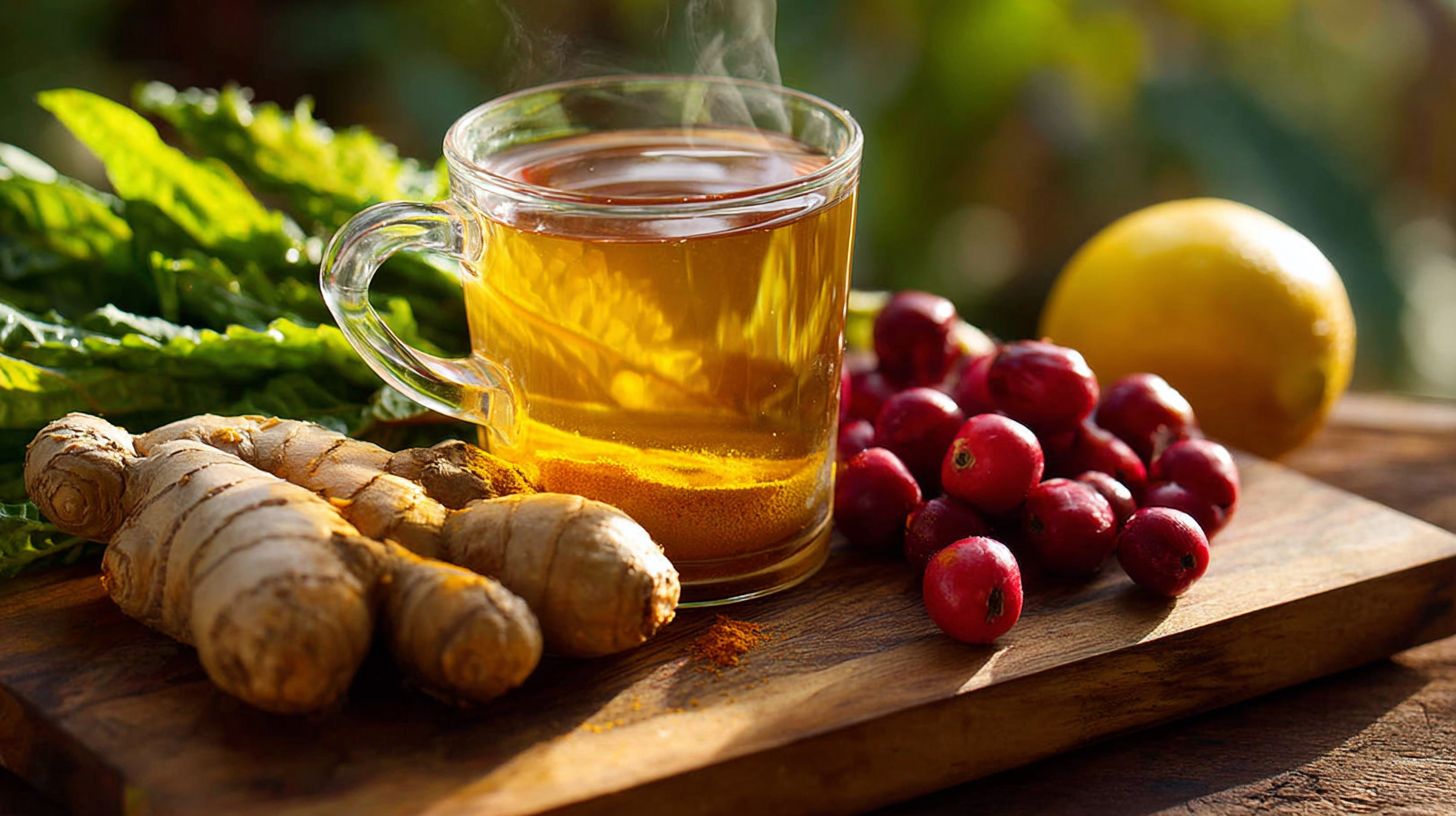
Take 500-1000mg curcumin daily with black pepper to support blocking key inflammation pathways more effectively than placebo. This turmeric curcumin combo fits into natural tips for reducing inflammation. Add it to golden milk for evening routines.
Bioavailability improves dramatically with piperine, making forms like BCM-95 or Longvida ideal for daily use. Research suggests pairing turmeric with fatty fish boosts absorption for better joint pain relief. Use in meals with olive oil for synergy.
| Form | Dose | Timing | Brand Examples | Evidence Level |
|---|---|---|---|---|
| Golden milk | 1 tsp turmeric + pinch pepper | Evening | Homemade | |
| BCM-95 capsules | 400mg | 2x daily | Life Extension | |
| Longvida | 400mg | Breakfast | Nutrivene |
Follow a 4-week loading protocol: week 1 at 500mg daily, increase to 1000mg by week 4 with meals. Track inflammation markers like CRP through symptoms such as less swelling. Integrate with green leafy vegetables like spinach for added antioxidants.
Lifestyle Changes for Relief
Chronic stress elevates cortisol levels around the clock, which amplifies body inflammation. Research suggests that managing stress, along with better sleep and regular movement, forms a strong foundation for reducing inflammation. These changes work together for greater relief than any one alone.
Start with simple stress reduction techniques as your base. Pair them with quality sleep to enhance benefits. Add gentle exercise like walking to support overall inflammation guide strategies.
Lifestyle modifications such as daily meditation or breathing exercises lower inflammatory markers over time. Experts recommend combining these with anti-inflammatory foods like turmeric curcumin and ginger root. Consistent habits lead to noticeable joint pain relief and better energy.
Focus on compounding effects for 2026 health tips. Reducing stress first makes sleep deeper and movement easier. This holistic approach supports immune system health naturally.
Stress Reduction Techniques
Practice 4-7-8 breathing (4 seconds inhale, 7 seconds hold, 8 seconds exhale) five times daily. This technique calms the nervous system and aids cortisol reduction. It fits easily into mornings or before meals for quick inflammation reduction.
Follow a daily stress protocol to build habits. Use these techniques consistently for better results in managing chronic inflammation.
| Technique | Duration | When | Tools |
|---|---|---|---|
| Box breathing (4-4-4-4) | 5 minutes | Wake-up | Free app |
| Ashwagandha (adaptogen herb) | Evening dose | Before bed | Supplement capsule |
| Gratitude journal | 3 minutes | At bedtime | Notebook |
Try a 21-day challenge tracker to stay on track. Mark each day you complete the protocol. Note how your joint pain relief or energy improves by week three.
Combine with mindfulness practices like yoga or short walks. These natural tips enhance wellness guide outcomes. Pair with hydration and herbal teas for full holistic health support.
Exercise and Movement
Walk 10,000 steps daily or practice 20min yoga. Both cut CRP levels versus sedentary habits according to the American Journal of Lifestyle Medicine. These natural tips help reduce body inflammation through consistent movement.
Regular exercise boosts circulation and supports immune system balance. It releases anti-inflammatory compounds during activity. Start with low-impact options to avoid strain.
A weekly template keeps efforts structured and sustainable. Focus on variety to target different muscle groups. Include recovery steps for optimal muscle recovery.
| Day | Activity | Duration | Intensity | Recovery |
|---|---|---|---|---|
| Mon | Brisk walk (10k steps) | 45min | Moderate | Foam roll |
| Wed | Yoga flow (Downward Dog sequence) | 20min | Low | Epsom bath |
| Fri | Resistance band circuit | 30min | Moderate | Turmeric tea |
Watch for overtraining warning signs like persistent fatigue or joint pain. Rest if needed to prevent chronic inflammation. Modify for conditions like arthritis with chair yoga poses.
Inflammation-Friendly Modifications for Arthritis
Chair yoga offers gentle joint pain relief without floor work. Use a sturdy chair for seated twists and shoulder rolls. These moves ease stiffness while building strength.
Swap brisk walks for slow pool walking if knees ache. Water supports the body and reduces impact. Pair with turmeric curcumin tea post-session for added benefits.
Experts recommend short sessions to build tolerance. Focus on breathwork during poses to lower stress. This supports holistic health in arthritis management.
Overtraining Warning Signs and Recovery
Signs include ongoing soreness, sleep issues, or elevated heart rate at rest. These signal excess acute inflammation from overdoing it. Scale back intensity immediately.
Recovery aids like Epsom salt baths relax muscles and draw out toxins. Drink plenty of water and add ginger root to meals. Prioritize sleep for natural repair.
Listen to your body to sustain long-term inflammation reduction strategies. Alternate hard and easy days in your template. This prevents burnout and promotes wellness.
Sleep Optimization
Aim for 7-9 hours of quality sleep each night. Sleep deprivation disrupts the body’s natural balance and can elevate inflammation markers like IL-6 and CRP overnight, as noted in Sleep Medicine Reviews. Prioritizing sleep quality serves as a foundational natural tip for reducing inflammation.
Good sleep supports immune system regulation and helps lower chronic inflammation. Experts recommend consistent routines to optimize rest. This approach aligns with holistic health strategies in the 2026 inflammation guide.
| Practice | Yes/No | Impact |
|---|---|---|
| Consistent 10pm bedtime | TNF- reduction | |
| Magnesium glycinate 300mg | Deep sleep improvement | |
| Blue light block 2hrs pre-bed | Melatonin support | |
| Cool room 65 degreesF | Core temp regulation | |
| No caffeine post-2pm | Adenosine preservation |
Use this sleep hygiene scorecard to track your habits and aim for at least 8 out of 10 points. Check off practices daily to build better routines. Over time, these changes promote inflammation reduction through better recovery.
14-Day Sleep Experiment
Start a 14-day sleep experiment to monitor inflammation symptoms like joint pain or fatigue. Track your scorecard nightly and note changes in swelling or energy levels each morning. This hands-on method reveals how sleep impacts body inflammation.
Combine with anti-inflammatory foods such as turmeric curcumin or omega-3 from salmon. Journal details like sleep duration and morning stiffness. Adjust based on patterns for personalized inflammation reduction strategies.
By day 14, review trends in your symptoms alongside scorecard scores. Many find reduced muscle soreness and better mood. This experiment fits into lifestyle modifications for ongoing wellness.
Hydration and Detox Tips
Drink half your bodyweight in ounces daily. For a 150lb person, this means 75oz of water. Research suggests dehydration concentrates inflammatory cytokines in the body.
Proper hydration supports lymphatic drainage and flushes toxins. It helps reduce body inflammation as part of natural tips for wellness. Combine it with detox protocols for best results.
Follow this simple daily hydration and detox protocol. It includes specific sources, amounts, timing, and benefits to target inflammation effectively.
| Source | Daily Intake | Timing | Benefit |
|---|---|---|---|
| Filtered water | 60oz | Throughout the day | Supports lymphatic flow |
| Green tea | 3 cups | Morning and afternoon | Reduces oxidative stress with EGCG |
| Lemon water | 16oz | Wake-up routine | Aids liver detox phase 1 |
| Dandelion tea | 1-2 cups | Evening | Boosts phase 2 detox |
Monitor Hydration with Urine Color
Check your urine color to gauge hydration levels. Pale yellow indicates good intake, while dark yellow signals a need for more fluids. This simple check supports detoxification and inflammation reduction.
Use this guide daily as part of your 2026 health tips. Clear urine shows optimal kidney health and toxin removal. Adjust intake based on activity and climate.
Combine with herbal teas like green tea for added antioxidants. This practice enhances lymphatic drainage and overall wellness.
Dry Brushing Technique for Detox
Dry brushing stimulates the lymphatic system before showering. Use a natural bristle brush on dry skin, starting from feet upward. It promotes detox and reduces swelling.
Brush in gentle circular motions toward the heart. Do this for five minutes daily to aid skin inflammation relief. Experts recommend it for natural remedies.
Pair with hydration tips for better results. This technique boosts circulation and supports immune system health. Feel improvements in energy and reduced puffiness.
Monitoring Your Progress
Track CRP via blood test every 90 days (goal: <1.0mg/L) and daily symptom journal. Expect noticeable changes in reducing inflammation within 4-6 weeks as you follow natural tips like anti-inflammatory foods and lifestyle modifications. This helps you stay consistent with your inflammation guide.
Keep a simple journal noting joint pain levels, energy, and swelling daily. Pair it with at-home tests for convenience, such as Everlywell CRP kits, to monitor markers without frequent doctor visits. Apps like MySymptoms make tracking easy by logging symptoms and patterns over time.
Review progress every four weeks against clear targets. Adjust your routine, like adding more turmeric curcumin or omega-3 fatty acids from salmon, if needed. Consult a doctor if no improvement after 8 weeks to rule out underlying issues.
| Metric | Week 0 | Week 4 | Week 12 | Target |
|---|---|---|---|---|
| CRP (mg/L) | 3.2 | 2.1 | 0.9 | <1.0 |
| Joint pain (1-10) | 7 | 4 | 2 | <3 |
| Waist circumference | 36″ | 34″ | 32″ | BMI 22-24 |
Using Apps and Journals Effectively
Start with free apps like MySymptoms to log meals, exercise, and symptoms. Note how ginger root tea affects your joint pain or if green leafy vegetables like spinach reduce bloating. This reveals patterns in body inflammation quickly.
Combine app data with a paper journal for deeper insights. Record sleep quality and stress levels daily, as poor sleep can spike inflammation markers. Review weekly to tweak habits, such as increasing hydration water intake or herbal teas.
At-Home Testing Options
Everlywell CRP tests let you check CRP levels from home every 90 days. They provide quick results to track progress on your anti-inflammatory diet with berries and olive oil. Always follow kit instructions for accuracy.
Pair tests with symptom checks for joint pain relief or swelling reduction. If levels stay high despite natural remedies like turmeric, consider professional advice. This supports your 2026 health tips for holistic health.
When to Seek Professional Help
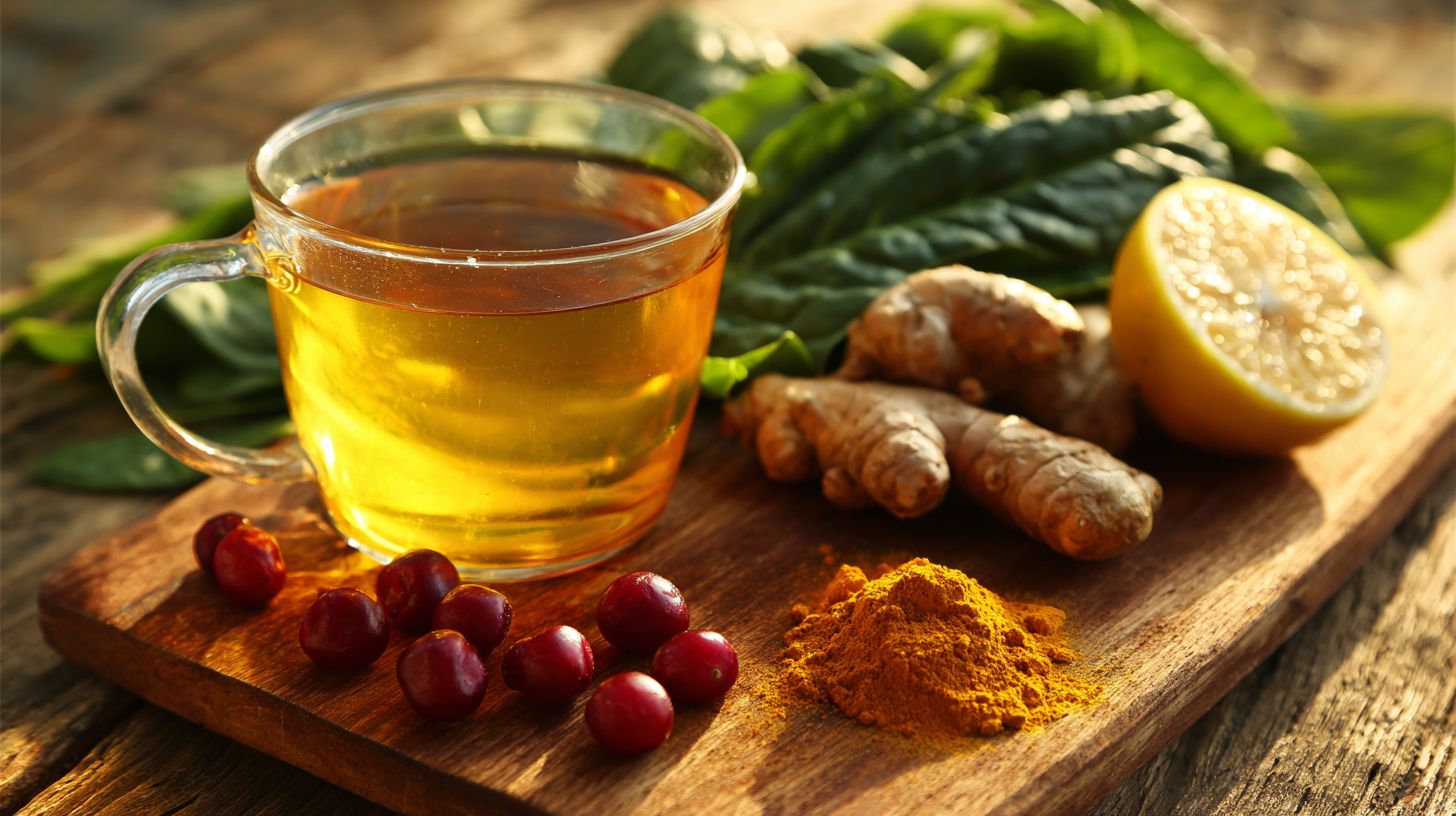
See a doctor if no changes after 8 weeks of consistent effort. Persistent high CRP or worsening joint pain might signal issues beyond diet and exercise. They can assess for conditions like rheumatoid arthritis.
Experts recommend professional input for autoimmune conditions or if symptoms disrupt daily life. Continue natural strategies like yoga and meditation alongside medical guidance for best results in inflammation reduction.
Frequently Asked Questions
What are some natural tips for reducing inflammation in the body according to the Natural Tips for Reducing Inflammation in the Body (Guide 2026)?
The Natural Tips for Reducing Inflammation in the Body (Guide 2026) emphasizes anti-inflammatory foods like turmeric, ginger, berries, and fatty fish, which contain compounds such as curcumin and omega-3s that combat inflammation naturally without relying on medications.
How does diet play a role in the natural tips for reducing inflammation in the body from the Natural Tips for Reducing Inflammation in the Body (Guide 2026)?
According to the Natural Tips for Reducing Inflammation in the Body (Guide 2026), adopting an anti-inflammatory diet by avoiding processed foods, sugars, and trans fats while incorporating leafy greens, nuts, and olive oil can significantly lower chronic inflammation levels over time.
Can exercise be one of the natural tips for reducing inflammation in the body outlined in the Natural Tips for Reducing Inflammation in the Body (Guide 2026)?
Yes, the Natural Tips for Reducing Inflammation in the Body (Guide 2026) recommends moderate exercises like walking, yoga, or swimming for 30 minutes daily, as they boost circulation, reduce stress hormones, and help decrease inflammatory markers in the body.
What lifestyle changes are highlighted in the Natural Tips for Reducing Inflammation in the Body (Guide 2026) as natural tips for reducing inflammation in the body?
The Natural Tips for Reducing Inflammation in the Body (Guide 2026) suggests prioritizing 7-9 hours of quality sleep, stress management through meditation, and staying hydrated with at least 8 glasses of water daily to naturally lower inflammation.
Are herbs and spices effective natural tips for reducing inflammation in the body per the Natural Tips for Reducing Inflammation in the Body (Guide 2026)?
Indeed, the Natural Tips for Reducing Inflammation in the Body (Guide 2026) highlights herbs like garlic, cinnamon, and rosemary, along with spices such as black pepper paired with turmeric, for their potent antioxidant and anti-inflammatory properties that can be easily added to meals.
How quickly can the natural tips for reducing inflammation in the body from the Natural Tips for Reducing Inflammation in the Body (Guide 2026) show results?
The Natural Tips for Reducing Inflammation in the Body (Guide 2026) notes that consistent application of these tips may yield noticeable reductions in inflammation within 2-4 weeks, though long-term adherence is key for sustained benefits like improved joint health and energy levels.