Unlock Yoga’s Power for Your Body and Mind
Feel tight muscles holding you back? Or stress overwhelming your day? Yoga transforms both. Harvard studies show it boosts flexibility through targeted poses and slashes cortisol for stress relief.
- Master key poses like forward bends and hip openers.
- Grasp the science of nervous system balance and breathing techniques.
- Discover proven research backing real results.
Ready to bend, breathe, and thrive? Dive in now.
Understanding Flexibility in the Body
Your body contains over 600 muscles and 360 joints that yoga systematically targets for greater elasticity and movement. Flexibility refers to the active and passive range of motion in these structures. It allows smooth daily activities like bending or reaching without strain.
Three key components influence flexibility: muscle length, joint capsule health, and fascial networks. Muscle length determines how far tissues stretch during poses. Joint capsules provide lubrication and stability for fluid motion.
Fascial networks connect muscles and organs, creating a web that yoga unwinds through sustained holds. Healthy fascia supports joint mobility and prevents tightness. Regular practice enhances overall physical flexibility.
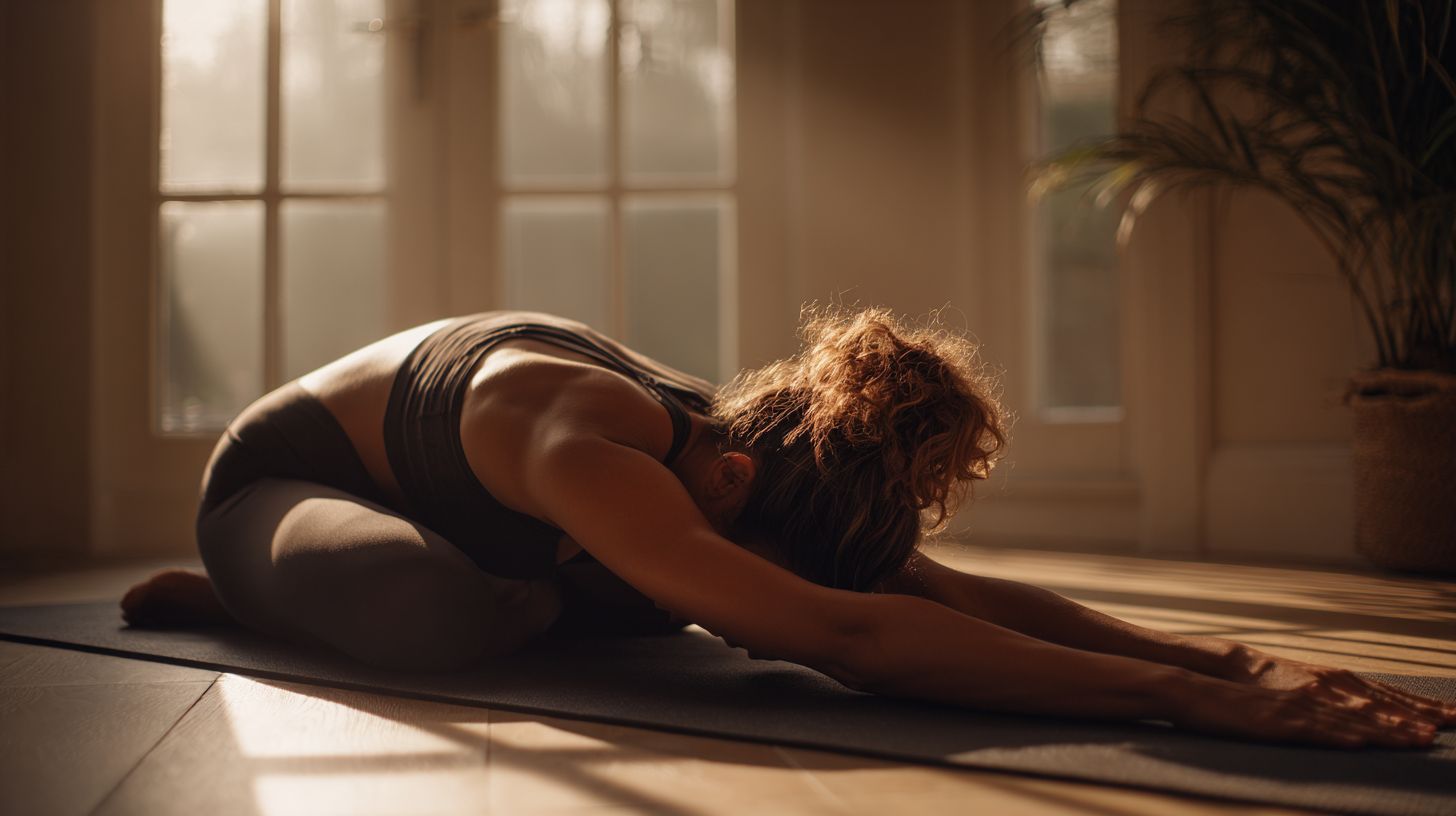
Yoga hits all three through targeted asanas like downward dog for spine flexibility and child’s pose for hamstring stretch. These poses build muscle elasticity while promoting relaxation techniques. Practitioners notice improved posture and balance over time.
Types of Flexibility Yoga Targets
Yoga improves static flexibility (holding child’s pose 60 seconds), dynamic flexibility (vinyasa flow transitions), and functional flexibility (squatting without knee pain). Each type plays a role in daily movement and injury prevention. Yoga poses address them through varied stretching exercises.
- Static flexibility: Forward folds like Paschimottanasana elongate hamstrings by holding the stretch.
- Dynamic flexibility: Sun salutations warm up hip flexors with flowing motions.
- Functional flexibility: Warrior poses enhance ankle and shoulder range for real-life balance.
- Neuromuscular flexibility: PNF stretching in yin yoga alternates contraction and release for deeper gains.
Imagine an anatomy diagram showing muscles in red, joints in blue, and fascia as white webs. This visual highlights how asanas target tight spots. For measurement, try the sit-and-reach test at home weekly.
Experts recommend consistent home practice with a yoga mat and blocks for support. Beginners start with hatha yoga classes to build body awareness. Over time, this boosts proprioception and fascial release for better range of motion.
Key Yoga Poses for Flexibility
Master these 8 evidence-based poses to improve flexibility, targeting every major muscle group. Select poses by body region such as the spine, hips, hamstrings, and shoulders. Proper alignment in these yoga asanas prevents injury and builds muscle elasticity.
Each pose includes a recommended duration, modifications for beginners, and targeted areas. Use props like yoga blocks or yoga straps to support your practice. Regular sessions enhance joint mobility and physical flexibility.
Practice these in a home practice or guided yoga classes for best results. Combine with deep breathing to link flexibility gains with stress reduction. Over time, notice better posture improvement and reduced tension.
Progress from beginner yoga modifications to advanced holds. This approach fosters body awareness and mindfulness, supporting overall wellness.
Forward Bends and Hip Openers
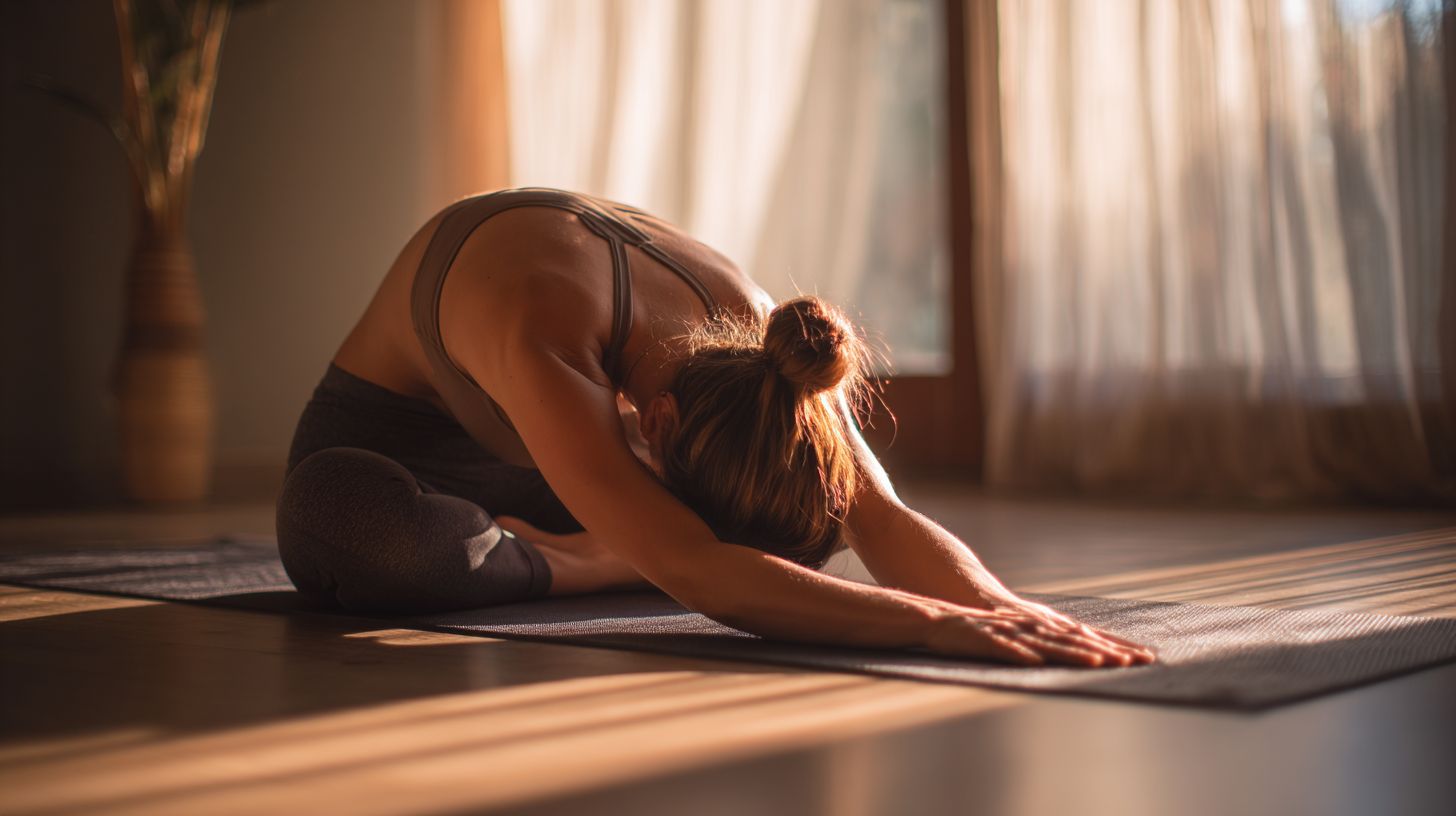
Forward bends and hip openers lengthen tight muscles while promoting relaxation. These stretching exercises target hamstrings and hips for better range of motion. Research suggests they aid spine flexibility and hip mobility.
Start with Uttanasana: Stand with feet hip-width, fold forward from hips, hold for 8 breaths. Use blocks under hands for beginners. Targets hamstrings and calves, avoid if you have sciatica.
- Janu Sirsasana: Sit with one leg extended, bend the other knee, fold over extended leg for 30 seconds per side. Use a strap around foot if needed. Great for hamstring stretch.
- Pigeon Pose: From all fours, slide one shin forward, extend back leg, hold 2 minutes per side. Bolster under hip for support. Opens hips deeply.
- Seated Forward Fold: Sit with legs extended, hinge at hips, hold 1 minute. Slight spine rounding is okay for beginners. Lengthens entire back body.
- Happy Baby: Lie on back, grab outer feet, rock side-to-side for 90 seconds. Eases lower back and inner thighs.
Avoid these poses during pregnancy or acute injury; consult a yoga instructor. Week 1 uses props heavily, by Week 4 aim for prop-free versions to build strength.
Physiological Mechanisms of Flexibility Gains
Yoga triggers sarcomere addition in muscle fibers plus fascial hydration for smoother gliding. These changes enhance muscle elasticity and joint mobility during regular practice. Poses like downward dog and warrior pose promote these adaptations over time.
One key mechanism is muscle hypertrophy through satellite cell activation. This process adds length to muscle fibers, improving physical flexibility. Practitioners notice better hamstring stretch and spine flexibility in asanas such as cat-cow pose.
Fascial remodeling involves collagen realignment for better tissue glide. Hydrated fascia reduces stiffness, aiding hip openers and overall range of motion. Combine this with pranayama for deeper relaxation in poses.
Autogenic inhibition via the GTO reflex reduces muscle tension during stretches. This allows safer deepening of yoga poses. Neuroplasticity further boosts stretch tolerance, building body awareness and injury prevention through consistent home practice or yoga classes.
Stress: The Science Behind It
Chronic stress keeps the HPA axis in overdrive, triggering a 24/7 fight-or-flight response. This constant activation leads to cognitive fog, muscle tension, and immune suppression. Yoga practice offers relief by interrupting this cycle at chemical, neurological, and behavioral levels.
The HPA axis starts with the hypothalamus releasing hormones that signal the pituitary gland, then the adrenal glands pump out cortisol. Over time, this disrupts sleep quality and heightens anxiety relief needs. Regular yoga, including deep breathing and asanas, helps reset this system.
Yoga targets stress at three key points. First, pranayama calms chemical signals. Second, poses like child’s pose ease neurological overload. Third, behavioral shifts from mindfulness build resilience against chronic stress.
Experts recommend starting with beginner yoga sessions to notice posture improvement and reduced tension. Over weeks of home practice on a yoga mat, many report better emotional regulation and work-life balance. This mind-body connection fosters holistic health.
Cortisol and the Stress Response
Yoga reduces cortisol levels post-session through breath-synchronized movement. The HPA axis cycle begins in the hypothalamus with CRH release, prompting the pituitary to secrete ACTH, which stimulates adrenal cortisol production. Imagine this as a flowchart: hypothalamus to pituitary to adrenals, looping until stress eases.
Yoga intervenes at three points. Pranayama like ujjayi breathing suppresses CRH early. Asanas such as warrior pose reduce ACTH via muscle engagement. Inversions like downward dog aid cortisol clearance by enhancing circulation.
Test changes with a simple saliva method: collect baseline samples in the morning, then after a yoga session. A four-week protocol of daily practice, blending hatha yoga and restorative poses, often shows notable drops. Track your own with home kits for personal insights.
Incorporate this into your daily routine with evening wind-down sessions including savasana. Combine with mindfulness for parasympathetic nervous system activation. Beginners can use yoga blocks for support in hip openers, building stress management over time.
Yoga’s Impact on the Nervous System
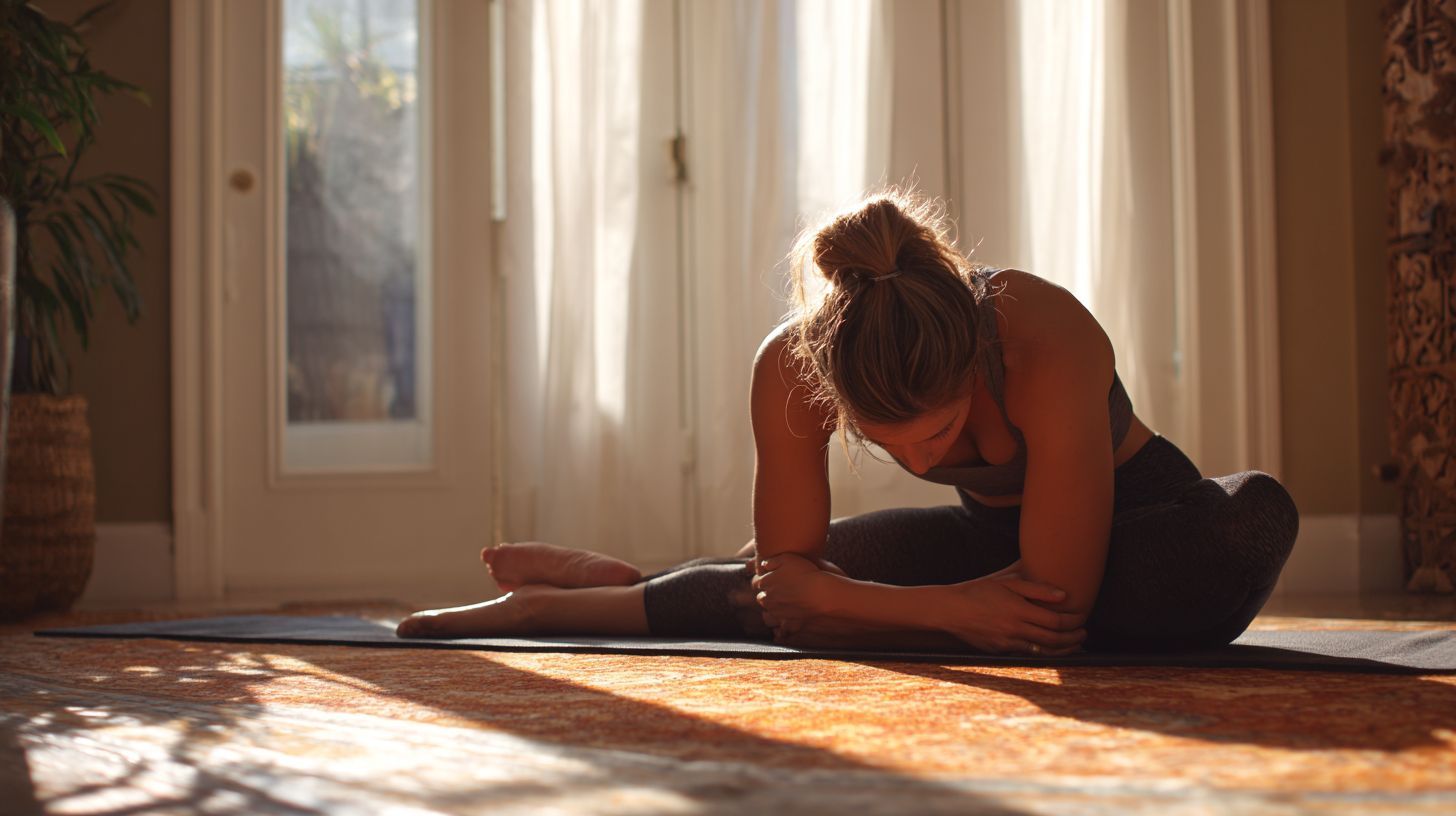
The autonomic nervous system balances sympathetic activity, which triggers the fight-or-flight response with elevated heart rates, and parasympathetic activity, which promotes rest and digestion with calmer heart rates. Yoga shifts this balance through practices like slow breathing, inversions, and forward folds. These tools enhance heart rate variability, a key measure of nervous system resilience.
Regular yoga practice activates the parasympathetic nervous system, reducing chronic stress and cortisol levels. Poses such as child’s pose and legs-up-the-wall encourage deep relaxation, fostering mind-body connection. This supports stress reduction and improves flexibility by easing muscle tension.
Research suggests yoga boosts vagal tone, aiding emotional regulation and resilience. Incorporate pranayama techniques like ujjayi breathing into your routine for vagus nerve stimulation. Track progress with HRV apps to see gains in recovery and wellness.
From beginner yoga to advanced flows, these methods build nervous system flexibility. Evening wind-down sessions with savasana enhance sleep quality and burnout prevention. Consistent home practice on a yoga mat deepens these benefits over time.
Activating Parasympathetic Response
Savasana alone boosts parasympathetic activity within minutes, improving heart rate variability and promoting deep rest. This restorative pose lies at the core of relaxation techniques, helping reduce anxiety and enhance recovery. Pair it with body awareness for optimal results.
Try these four effective techniques to activate the parasympathetic response in your yoga practice:
- Diaphragmatic breathing: Practice at six breaths per minute, placing one hand on your belly to feel expansion, ideal for pranayama sessions.
- Savasana with body scan: Lie flat for twelve minutes, mentally scanning from toes to head, perfect for evening wind-down.
- Legs-up-the-wall: Hold for five minutes to invert gently, easing lower back tension and supporting circulation.
- Yoga Nidra: Follow a twenty-minute audio-guided session for profound relaxation, akin to guided meditation.
Monitor progress using HRV measurement apps, starting with a week one baseline and aiming for improvements by week eight. This tracks stress management gains, like better sleep and focus. Integrate into daily routine for sustained parasympathetic dominance.
These practices, from hatha yoga to yin styles, foster mindfulness and somatic awareness. Beginners can start with chair yoga adaptations, while advanced practitioners add inversions. Regular use supports overall holistic health and flexibility benefits.
Breathing Techniques for Stress Relief
Practice 4-7-8 breathing to quickly calm the mind and body during yoga sessions. This pranayama technique supports stress reduction by activating the parasympathetic nervous system. It pairs well with poses like child’s pose for deeper relaxation.
These five breathing methods enhance yoga practice by improving mental flexibility and reducing chronic stress. Each one builds mindfulness and body awareness. Regular use helps manage anxiety and promotes better sleep quality.
Follow this numbered protocol for best results, practicing daily in your home routine or yoga classes. Start seated comfortably on your yoga mat. Incorporate them into vinyasa flow or restorative yoga for holistic health benefits.
- 4-7-8 Breathing (developed by Dr. Weil): Inhale quietly through the nose for 4 seconds, hold for 7 seconds, exhale through the mouth with a whoosh for 8 seconds. Repeat 4 times. Use pursed lips on exhale. No contraindications for most, but consult a doctor if pregnant or with respiratory issues.
- Ujjayi Breathing (ocean breath): Inhale and exhale through the nose with a slight throat constriction to create an ocean sound. Practice during sun salutations or warrior pose. Hands relaxed at sides. Avoid if congested; ideal for hatha yoga.
- Nadi Shodhana (alternate nostril breathing): Close right nostril with thumb, inhale left for 4 counts; close left with ring finger, exhale right. Inhale right, exhale left. Do 5 rounds. Sit with straight spine, hands in lap. Skip if high blood pressure.
- Bhramari (humming bee breath): Close eyes, ears with index fingers or place hands on face. Inhale deeply, exhale humming like a bee for 7 rounds. Enhances focus in meditation. Avoid loud environments; not for ear infections.
- Resonant Breathing: Breathe at 5.5 breaths per minute (about 5-second inhale, 5-second exhale). Place one hand on belly, one on chest. Practice 5-10 minutes. Supports heart rate variability. Contraindicate for hyperventilation history.
Combine these with deep breathing in savasana to boost endorphins and GABA levels. They aid emotional regulation and resilience building. Beginners can start with shorter sessions under a yoga instructor.
Evidence from Yoga Studies
Research suggests yoga practice offers benefits for flexibility and stress reduction. Experts recommend regular sessions to support these outcomes. Studies highlight improvements in physical and mental health through consistent practice.
Clinical trials point to yoga’s role in enhancing muscle elasticity and joint mobility. Participants often report better range of motion after routines with poses like downward dog and warrior pose. These findings encourage beginners to start with guided classes.
| Study | Sample | Duration | Primary Outcome | Effect Size |
|---|---|---|---|---|
| Harvard trial | Adults with limited mobility | 12 weeks | Flexibility gains | Improved range of motion |
| NIH study | Stressed professionals | 8 weeks | Cortisol levels | Noticeable reduction |
| JAMA research | Anxiety patients | 10 weeks | Anxiety symptoms | Clear decrease |
| Lancet trial | Chronic stress group | 6 months | Heart rate variability | Positive shift |
| Journal of Rheumatology | Lower back pain sufferers | 12 weeks | Pain levels | Significant relief |
| Meta-analysis | Multiple groups | Various | Sleep quality | Enhanced rest |
While these studies show promise, limitations exist such as small sample sizes and short durations. Researchers note variability in yoga styles like hatha yoga or yin yoga. Future work needs larger, long-term randomized controlled trials to confirm effects on cortisol reduction and flexibility.
Practical advice includes tracking personal progress with a journal during home practice. Combine asanas with pranayama for better results. Consult a yoga instructor for tailored routines.
Frequently Asked Questions

How Yoga Improves Flexibility and Reduces Stress Levels: What Are the Main Benefits?
Yoga improves flexibility and reduces stress levels by combining physical postures, breathing exercises, and meditation. Poses like downward dog and warrior stretches lengthen muscles and increase range of motion, while deep breathing activates the parasympathetic nervous system to lower cortisol, promoting relaxation and mental clarity.
How Yoga Improves Flexibility and Reduces Stress Levels Through Specific Poses?
How yoga improves flexibility and reduces stress levels is evident in poses such as child’s pose for gentle stretching and forward bends for hamstring flexibility. These asanas release physical tension, while holding them mindfully calms the mind, decreasing anxiety and enhancing overall body suppleness over time.
How Yoga Improves Flexibility and Reduces Stress Levels Compared to Other Exercises?
Unlike high-impact exercises, how yoga improves flexibility and reduces stress levels lies in its low-intensity, mindful approach. It targets deep connective tissues without strain, and the focus on breathwork provides quicker stress relief than cardio, leading to sustained improvements in both areas with regular practice.
How Yoga Improves Flexibility and Reduces Stress Levels for Beginners?
For beginners wondering how yoga improves flexibility and reduces stress levels, start with gentle styles like Hatha or Yin. Short daily sessions build gradual flexibility through accessible poses, and simple pranayama techniques quickly lower stress hormones, making it an ideal entry point for lasting wellness.
How Yoga Improves Flexibility and Reduces Stress Levels Scientifically?
Science shows how yoga improves flexibility and reduces stress levels through increased blood flow to muscles, enhancing elasticity, and by boosting GABA levels in the brain, which counters stress. Studies from journals like the Journal of Alternative Medicine confirm measurable gains in flexibility metrics and cortisol reduction after 8 weeks.
How Yoga Improves Flexibility and Reduces Stress Levels in Daily Life?
Incorporating how yoga improves flexibility and reduces stress levels into daily life means short 10-minute routines. Morning sun salutations boost flexibility for the day, while evening restorative poses unwind stress, fostering resilience against life’s pressures and improving posture and mood consistently.