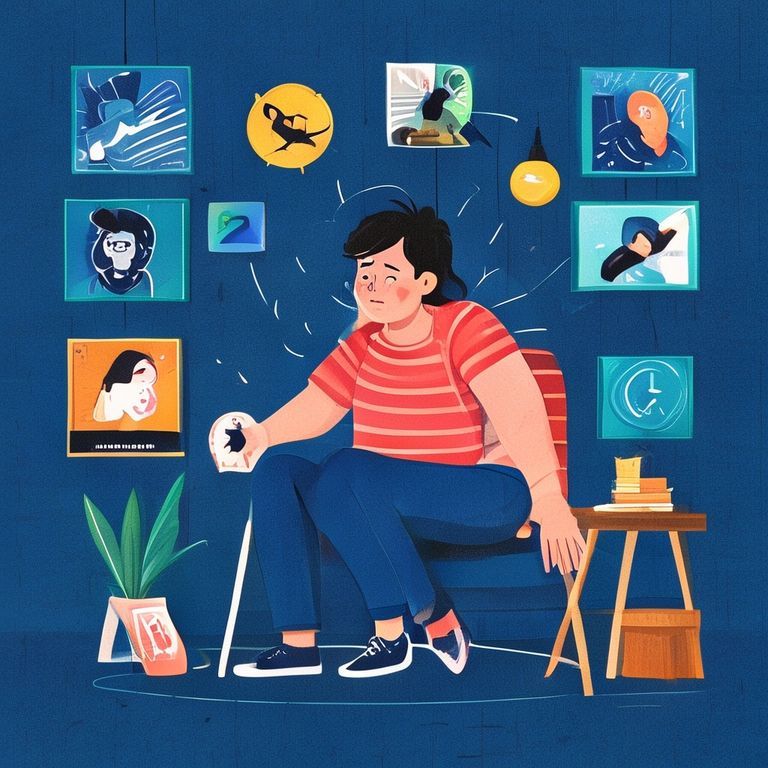
Do you find yourself scrolling through your phone long after you meant to go to bed? You’re not alone. Millions of people struggle with late-night screen addiction, a habit that quietly steals sleep, worsens mood, and drains energy. The glow of your phone, tablet, or laptop might feel comforting in the moment, but it’s doing real harm behind the scenes.
This isn’t about willpower. It’s about understanding how screens trick your brain and learning simple, science-backed ways to take back control. Whether you’re checking emails, watching videos, or endlessly scrolling social media, your late-night screen time is likely disrupting your natural sleep cycle and increasing stress.
The good news? Small changes can make a big difference. You don’t need to quit technology cold turkey. Instead, you can build healthier habits that support better sleep, clearer thinking, and a calmer mind.
Why Your Brain Craves Screens at Night
Your brain loves novelty, rewards, and stimulation. Screens deliver all three—fast. Every notification, video, or post gives a tiny dopamine hit, the same brain chemical tied to pleasure and motivation. Over time, your brain starts to expect that reward, especially when you’re tired or stressed.
At night, when your body should be winding down, screens keep your mind alert. The blue light from devices suppresses melatonin, the hormone that tells your body it’s time to sleep. Even small amounts of screen time within an hour of bedtime can delay sleep onset and reduce sleep quality.
But it’s not just the light. The content itself matters. Stressful news, heated arguments online, or even exciting shows can trigger your nervous system, making it harder to relax. Your brain stays in “go mode” when it should be shifting to “rest mode.”
Signs You’re Struggling with Late-Night Screen Addiction
You might be dealing with screen addiction if you notice any of these patterns:
– You stay up later than planned because you’re “just one more scroll.”
– You feel guilty after using your phone at night but do it anyway.
– You wake up tired, even after 7–8 hours in bed.
– You check your phone within 10 minutes of waking up.
– You use screens to avoid boredom, anxiety, or loneliness at night.
– You’ve tried to cut back but keep falling back into old habits.
These aren’t signs of failure. They’re clues that your brain has learned a new habit loop: stress → reach for phone → temporary relief → repeat.
How Late-Night Screens Affect Your Health
The effects go beyond just feeling tired. Chronic late-night screen use is linked to several real health concerns:
– Poor sleep quality and insomnia
– Increased anxiety and depression symptoms
– Lower daytime energy and focus
– Weight gain due to disrupted metabolism
– Eye strain and headaches
– Reduced motivation and productivity
A 2023 study from the National Sleep Foundation found that people who used screens within an hour of bedtime took 30% longer to fall asleep and reported lower sleep satisfaction. Another study linked late-night social media use to higher levels of anxiety and loneliness, especially in young adults.
But here’s the key insight: it’s not the total screen time that matters most—it’s the timing. Using screens earlier in the day doesn’t have the same negative impact. It’s the late-night use that throws off your internal clock and emotional balance.
Simple Strategies to Reduce Late-Night Screen Time
You don’t need a complete digital detox. Start with small, realistic changes that fit your life.
Set a “Screen Sunset” Time
Pick a time each night—say, 9:30 PM—and stop using screens for entertainment. This doesn’t mean you can’t use your phone at all. You can still take calls or respond to urgent messages. But avoid scrolling, watching videos, or browsing social media.
Use your phone’s built-in tools to help. Most smartphones have a “Do Not Disturb” mode or “Screen Time” settings that let you block apps after a certain hour. Set it up once, and let technology work for you.
Create a Wind-Down Routine
Your body needs cues to know it’s time to sleep. A consistent wind-down routine signals your brain to slow down. Try this 30-minute plan:
– 9:00 PM: Turn off entertainment screens.
– 9:15 PM: Dim the lights and do something calming—read a book, stretch, or listen to soft music.
– 9:30 PM: Brush your teeth, wash your face, and get into comfortable clothes.
– 9:45 PM: Sit quietly, journal, or practice deep breathing.
– 10:00 PM: Lights out.
This routine doesn’t have to be rigid. The goal is consistency, not perfection.
Replace Screen Time with Better Habits
What will you do instead of scrolling? Have a few go-to activities ready:
– Read a physical book or magazine
– Write in a journal or gratitude list
– Do light stretching or yoga
– Listen to a podcast or calming music (with headphones if needed)
– Talk with a partner or family member
These activities don’t stimulate your brain the same way screens do. They help you relax and prepare for rest.
Keep Your Phone Out of the Bedroom
This is one of the most effective changes you can make. When your phone is in another room, it’s harder to grab it on impulse. Charge it outside the bedroom—use an old charger or a cheap power bank.
If you use your phone as an alarm, buy a simple alarm clock instead. They’re inexpensive and eliminate the temptation to check notifications first thing in the morning.
Use Blue Light Filters—But Don’t Rely on Them Alone
Many devices have a “night mode” that reduces blue light after sunset. Turn it on, but don’t think it solves the problem. Blue light filters help, but they don’t eliminate the mental stimulation from content. You still need to limit screen time.
What to Do When You Feel the Urge to Scroll
Even with a plan, urges will happen. When you feel the pull to pick up your phone, pause and ask:
– What am I feeling right now? (Bored? Anxious? Lonely?)
– What do I really need? (Rest? Connection? Distraction?)
– Is there a better way to meet that need?
Sometimes, the urge passes in a few minutes. Other times, you might need a different solution—like calling a friend or taking a short walk.
Be Kind to Yourself
Breaking a habit takes time. If you slip up, don’t beat yourself up. Notice what triggered the behavior and adjust your plan. Progress, not perfection, is the goal.
Real-Life Results: What Happens When You Cut Late-Night Screens
People who reduce late-night screen time often report:
– Falling asleep faster
– Waking up more refreshed
– Feeling calmer and less anxious
– Having more energy during the day
– Improved focus and mood
One reader shared: “I started leaving my phone in the kitchen at 9 PM. At first, it was hard. But after two weeks, I was sleeping better and actually enjoying reading before bed. I feel more in control.”
Another said: “I didn’t realize how much my late-night scrolling was feeding my anxiety. Now I journal instead. It’s been a game-changer.”
These changes don’t happen overnight, but they do happen—with consistency and self-compassion.
Frequently Asked Questions
What if I need my phone for work at night?
If you must use your phone for work, set boundaries. Use it only for essential tasks, and avoid entertainment apps. Try to finish work-related screen time at least 30 minutes before bed. Use blue light filters and take breaks to look away from the screen.
Can I watch TV before bed instead of using my phone?
Watching TV can still disrupt sleep, especially if it’s stimulating content. If you do watch, keep it light—comedy or nature shows are better than action or news. And avoid watching in bed. Use a timer to turn off the TV automatically.
How long does it take to see improvements in sleep?
Most people notice better sleep within 1–2 weeks of reducing late-night screen time. Full benefits—like improved mood and energy—can take 3–4 weeks as your body adjusts.
Is it okay to use screens if I wear blue light glasses?
Blue light glasses can help reduce eye strain and melatonin suppression, but they don’t stop the mental stimulation from content. They’re a helpful tool, but not a free pass to scroll all night.
What if I live alone and use screens to feel less lonely?
It’s natural to seek connection at night. Try replacing screen time with other comforting habits—calling a friend, listening to a calming podcast, or writing letters. Over time, these can provide real emotional support without the downsides of late-night scrolling.
Final Thoughts
Late-night screen addiction is a modern challenge, but it’s one you can overcome. By understanding how screens affect your brain and sleep, you can make smarter choices. Start small, be consistent, and focus on how you feel—not just how much time you save.
Your health, mood, and energy are worth the effort. And the best part? You don’t have to do it alone. Millions are on the same journey. With the right habits, you can break free from the cycle and reclaim your nights—and your well-being.