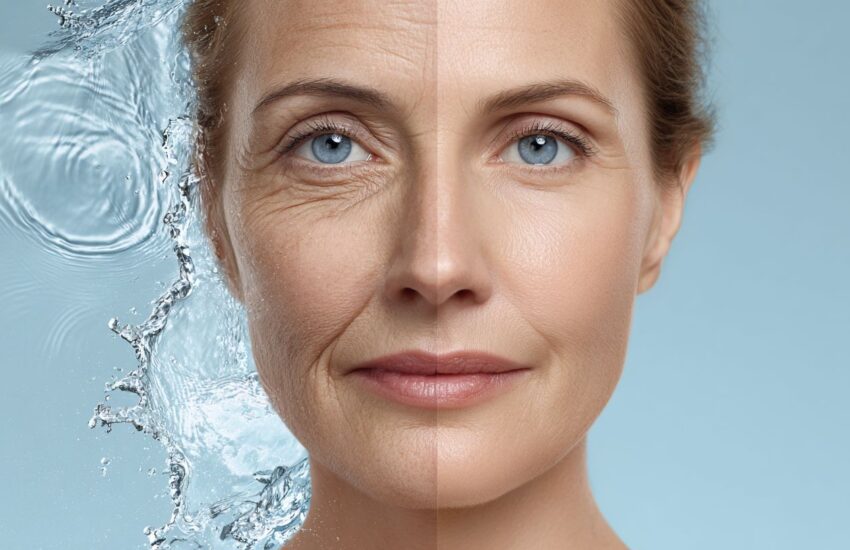
Unlock Your Skin’s Natural Glow Imagine plumper, firmer skin that bounces back with every smile. Proper hydration makes it possible. Dehydration silently saps elasticity, dulling your glow-backed by dermatology studies showing 30% better hydration boosts collagen. Discover: – Science of elasticity and epidermal water retention – Daily intake tips, hydrating foods like hyaluronic acid-rich options – 2026 innovations and practical routines Dive in for radiant results! (68 words)
Role of Collagen and Elastin

Collagen provides most of the dermal structure while elastin enables stretch and recovery, key to skin elasticity. These proteins work together in the dermal matrix to maintain firm, plump skin. Proper hydration supports their function by aiding fibroblast activity.
Research suggests collagen types I and III decline with age after the mid-twenties. Elastin production slows early in life, leading to accumulated damage over time. Dehydration accelerates this by impairing collagen production and increasing transepidermal water loss.
Imagine cross-linked elastin as rigid fibers that form wrinkles, much like stiff rubber bands losing flexibility. This visual shows how poor moisture retention weakens the skin’s bounce-back ability. Daily water intake helps preserve elastin integrity for radiant skin.
Experts recommend collagen peptides from supplements to support skin firmness. Combine with hyaluronic acid for better moisture retention and wrinkle reduction. Test your skin turgor with a simple pinch test to gauge elasticity daily.
Water Retention in Epidermal Layers
The epidermis holds a significant portion of the body’s water. Dehydration drops skin capacitance quickly, dulling skin instantly. This affects moisture retention in the outer layers.
Natural Moisturizing Factor (NMF) keeps epidermal layers plump. Without enough water, NMF loses efficacy, leading to dry, flaky skin. Research suggests adequate water intake restores this balance for better skin elasticity.
Test your hydration with simple checks. The pinch test works well: pinch skin on the back of your hand, and if it rebounds in one second, you are hydrated. Smartphone apps can also measure skin capacitance for precise readings.
Tools like scanner apps provide quick insights into epidermal water levels. Experts recommend combining these with daily checks for radiant skin. Pro tip: maintain consistent hydration levels to support skin barrier function and reduce dullness.
Hyaluronic Acid and Antioxidants
Hyaluronic acid binds 1000x its weight in water. One gram daily from bone broth restores plump skin and enhances elasticity. It acts as a natural humectant to support moisture retention in the dermal matrix.
Pair hyaluronic acid with antioxidants like vitamin C and niacinamide for better results. These protect against oxidative stress that harms skin barrier function. Together, they promote radiant skin and reduce fine lines.
Food sources provide hyaluronic acid alongside bonus nutrients. Bone broth offers about 60mg per cup, citrus fruits deliver 500mg of vitamin C, and spinach supplies niacinamide. Incorporate these into meals for steady skin hydration.
| Food | HA Content | Bonus Nutrients |
|---|---|---|
| Bone broth | 60mg/cup | Collagen, glycine |
| Citrus fruits | Low HA | 500mg vitamin C |
| Spinach | Trace HA | Niacinamide, folate |
Try supplements like NOW Hyaluronic Acid at 100mg daily for convenience. Blend a HA smoothie with kiwi and collagen peptides to cut transepidermal water loss. This simple recipe boosts skin glow from within, aligning with 2026 trends in internal hydration.
The Science of Skin Elasticity
Skin elasticity depends on collagen (75% of dermis) and elastin fibers that recoil like rubber bands. The skin has three main layers: the epidermis as the outer shield, the dermis for structure and bounce, and the hypodermis for cushioning with fat. These layers work together to maintain skin firmness and resilience.
In youth, skin shows strong stretch and snap-back from healthy collagen production and elastin networks. Dehydration affects this by reducing moisture in the dermal matrix, leading to sagging and fine lines. Experts recommend checking skin turgor with a simple pinch test on the back of your hand for a quick elasticity gauge.
Hydration levels play a key role in supporting fibroblasts, cells that build these proteins. Low water intake increases transepidermal water loss (TEWL), weakening the skin barrier function. Practical steps like daily water consumption help preserve elastic skin and promote radiant skin.
Environmental factors such as low humidity or air conditioning speed up moisture loss, impacting skin texture. Combining oral hydration with topical moisturizers restores plump skin. This foundation sets the stage for deeper insights into collagen and elastin.
Role of Collagen in Skin Bounce
Collagen forms a scaffold in the dermis, giving skin its firmness and ability to stretch without damage. Hydration supports collagen synthesis by aiding fibroblasts in the dermal matrix. Dry skin from dehydration leads to brittle fibers and wrinkle reduction challenges.
Research suggests consistent water intake enhances collagen production for better skin elasticity. Foods rich in vitamin C, like citrus, pair well with hydration to boost this process. Apply serums with peptides after cleansing for targeted support.
In mature skin, collagen declines, but skin hydration routines can slow this. Use humectants like hyaluronic acid in moisturizers to draw in moisture. This helps maintain plump skin and reduces premature aging signs.
Elastin Fibers and Recoil Power
Elastin acts like tiny rubber bands, allowing skin to snap back after stretching. Dehydration effects stiffen these fibers, reducing recoil and causing sagging. Proper moisture retention via ceramides strengthens this network.
Experts recommend balancing electrolytes with mineral water or coconut water to optimize hydration for elastin health. Avoid alcohol dehydration by alternating drinks with herbal teas. This supports skin glow from within.
Topical emollients lock in moisture, protecting elastin from environmental factors like UV exposure. Pair with sunscreen for comprehensive care. Regular facial yoga enhances circulation, aiding elastic skin recovery.
How Dehydration Impacts Skin Structure
Dehydration increases transepidermal water loss by a significant amount, collapsing the dermal matrix and reducing skin turgor within 48 hours. This process weakens the skin’s overall structure, leading to visible signs of dullness and sagging. Skin elasticity suffers as the foundational layers lose their plumpness.
Fibroblast shrinkage plays a key role, with reduced production of glycosaminoglycans that support collagen and hyaluronic acid. Aquaporin channel dysfunction disrupts water transport in skin cells, impairing moisture retention. Subcutaneous fat dehydration further diminishes skin firmness, making fine lines more apparent.
After just two weeks of low water intake, skin may show noticeable elasticity loss, highlighting rapid dehydration effects. Research suggests chronic low hydration speeds up glycation, which stiffens collagen fibers. Use the pinch test on your hand: slow snap-back indicates poor turgor.
Check hydration levels with a simple urine color chart; aim for pale yellow to stay hydrated. Combine oral hydration with topical moisturizers containing humectants like hyaluronic acid for better skin recovery. Experts recommend consistent daily water consumption to protect the dermal matrix long-term.
Hydration’s Direct Effect on Skin Glow
Hydrated skin reflects more light, creating visible glow via refractive index changes in stratum corneum. Water-filled cells scatter light evenly, giving skin a dewy finish. This effect stems from optimal skin hydration levels in the outermost layer.
Skin glow relies on water content in the epidermis, where corneometer readings indicate hydration status. Optimal levels support light reflection for radiant skin. Dehydration dulls this by flattening cell structure.
The stratum corneum acts as a mirror when plump with moisture. Humectants like hyaluronic acid draw water here, boosting glow. Pair internal water intake with topical products for best results.
Environmental factors like low humidity or air conditioning reduce moisture, dimming glow. Use facial mists or serums during dry seasons. Consistent habits maintain that fresh, luminous look year-round.
How Water Content Influences Light Reflection
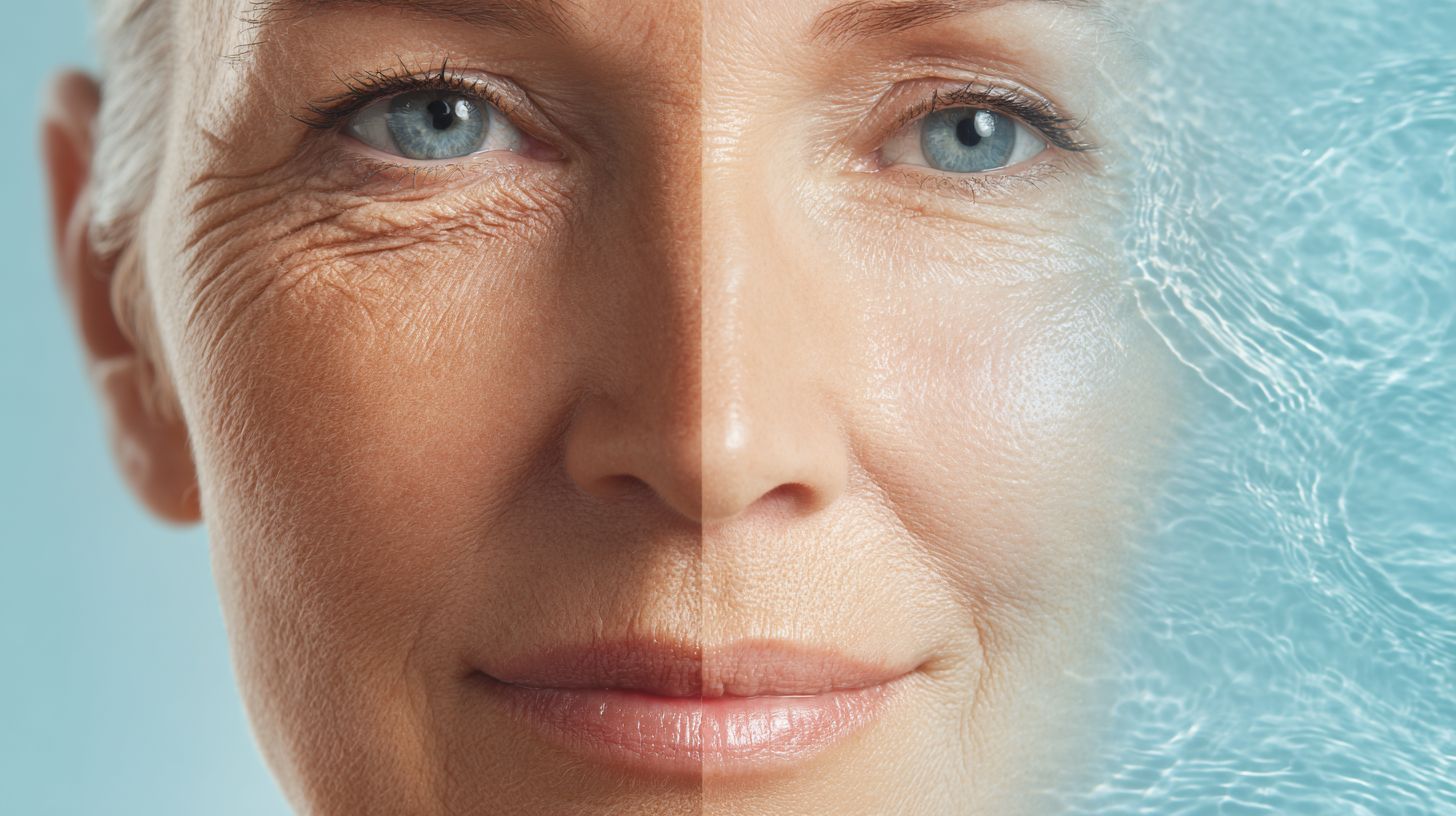
Water in skin cells alters the refractive index, enhancing light bounce for visible radiance. Dry skin absorbs light, appearing flat. Hydrated layers create a glass skin effect naturally.
Aquaporins channel water through epidermal cells, supporting this glow mechanism. Transepidermal water loss (TEWL) rises with dehydration, stealing shine. Seal with ceramide-rich creams to lock in hydration.
Experts recommend monitoring skin capacitance via pinch tests at home. Pinch skin on your hand; quick snap-back signals good moisture for glow. Slow return hints at needing more daily water consumption.
Signs of Optimal Hydration for Radiant Skin
Plump skin with even tone shows optimal hydration for glow. Look for smooth texture without tight patches. This state supports skin barrier function against daily stressors.
Use urine color as a simple check: pale yellow means good internal hydration feeding skin glow. Combine with electrolyte balance from mineral water or coconut water. Avoid excess caffeine, which pulls moisture.
For visible plumpness, incorporate sheet masks weekly. They deliver humectants directly, mimicking pro treatments. Track changes with photos for your personal glow progress.
Daily Habits to Boost Skin Glow from Hydration
Start with oral hydration: sip herbal teas or alkaline water throughout the day. This fuels cells from within for sustained radiance. Aim for thirst cues over rigid rules.
Topically, layer essence toners and serums with niacinamide for glow amplification. Follow with emollients to prevent evaporation. Morning and night routines build cumulative shine.
- Carry a smart water bottle for reminders in 2026 trends.
- Mist face during flights or heated rooms.
- Pair with gua sha for lymphatic glow boost.
- Choose non-comedogenic options for acne-prone skin.
Daily Water Intake Recommendations for Skin
Target 3-4 liters daily (100ml/kg bodyweight): 2.7L women, 3.7L men per EFSA 2024 guidelines. This range supports skin elasticity and promotes a natural glow by aiding collagen production and moisture retention. Adjust based on your needs for optimal skin health.
Use a personalized calculator: multiply your weight in kg by 35ml, then add 500ml for each hour of exercise. For example, a 60kg person exercising one hour needs about 2.6L. This method ensures daily water intake matches your hydration levels.
Track progress with tools like HidrateSpark smart bottles, which connect to apps for reminders. Make adjustments such as adding 1L in hot climates or 500ml per caffeinated drink to counter dehydration effects. These steps enhance skin firmness and reduce fine lines.
Bust the myth of 8 glasses a day, now outdated per expert reviews. Check urine color: pale yellow in the first morning void signals perfect hydration for radiant skin. Combine with a skin pinch test on the back of your hand for quick elasticity checks.
Top Hydrating Foods and Nutrients
Watermelon (92% water) and cucumber deliver 500mg hydration compounds per serving. These foods go beyond plain water by providing electrolytes and phytonutrients that support skin elasticity and glow. They help maintain moisture retention deep within the dermal matrix.
Eating hydrating foods enhances skin barrier function and reduces transepidermal water loss, or TEWL. Unlike drinking water alone, these options supply vitamins and minerals that boost collagen production and plump skin. Experts recommend incorporating them daily for radiant skin.
Here are the top 7 hydrating foods with their key benefits for skin health. Each offers a hydration score based on water content, electrolytes, and supportive nutrients.
- Watermelon (hydration score: high) – Rich in lycopene for antioxidant protection and vitamin C to aid collagen synthesis.
- Cucumber (hydration score: high) – Contains silica for skin firmness and low calories for easy daily intake.
- Strawberries (hydration score: medium-high) – Packed with vitamin C and ellagic acid to fight inflammation and support elastic skin.
- Celery (hydration score: high) – Provides potassium for electrolyte balance and phthalides to improve skin texture.
- Oranges (hydration score: medium-high) – High in vitamin C and folate for moisture retention and wrinkle reduction.
- Bell peppers (hydration score: medium) – Loaded with vitamin C and beta-carotene to enhance skin glow and firmness.
- Zucchini (hydration score: high) – Offers vitamin A and manganese for skin recovery and plumpness.
These foods promote internal hydration better than water alone. For optimal results, pair them with adequate daily water consumption to combat dehydration effects.
Key Nutrients: Focus on Hyaluronic Acid
Hyaluronic acid is a natural humectant in the skin that binds water molecules for superior moisture retention. Foods rich in precursors like glycosaminoglycans support its production by fibroblasts. This leads to plumper, more elastic skin with a natural glow.
Research suggests that nutrients from hydrating foods boost hyaluronic acid levels more effectively than supplements alone. Include leafy greens and bone broth for natural sources. They enhance aquaporins, channels that transport water into skin cells.
To maximize benefits, combine these with electrolyte balance from foods like celery. This approach improves skin turgor, as seen in the pinch test for elasticity. Expect better skin firmness and reduced fine lines over time.
For 2026 trends in skin hydration, look to vegan humectants derived from seaweed extracts paired with these foods. They align with clean beauty hydration practices for sustainable skin health.
External Hydration: Skincare Products
Ceramide moisturizers help reduce TEWL compared to basic creams, according to a 2024 COSMETICS study. These products strengthen the skin barrier function to lock in moisture. This supports skin elasticity and promotes a natural glow.
Topical moisturizers with humectants like hyaluronic acid draw water into the skin. Emollients smooth the surface, while occlusives prevent moisture escape. Together, they enhance moisture retention for plump, radiant skin.
Layering products in the right order boosts skin hydration. Start with a gentle cleanse, follow with hyaluronic serum, add emollient cream, and seal with an occlusive like Aquaphor. This routine mimics the Korean skincare approach for dewy results.
The 7-skin method from Korean routines involves applying toner seven times for deep hydration. It preps skin for serums and creams, improving skin texture and firmness. Adjust layers based on humidity levels or skin type.
Product Comparison
| Product | Key Ingredients | TEWL Reduction Benefit | Price | Skin Type |
|---|---|---|---|---|
| CeraVe Moisturizing Cream | Ceramides, hyaluronic acid | Strengthens barrier to minimize water loss | $18 | Normal to dry |
| La Roche-Posay Toleriane | Neurosensine, ceramides | Reduces irritation and water evaporation | $32 | Sensitive |
| The Ordinary Natural Moisturizing Factors | Amino acids, ceramics, fatty acids | Supports natural moisture balance | $8 | All types |
| Neutrogena Hydro Boost | Hyaluronic acid, glycerin | Draws in and holds moisture deeply | $20 | Combination |
| Drunk Elephant Lala Retro | Ceramides, antioxidants | Restores lipids for better retention | $60 | Dry, mature |
Choose products based on your skin type and concerns like dryness or sensitivity. Test for compatibility to avoid irritation. Pair with sunscreen for full UV protection.
Daily Application Routine
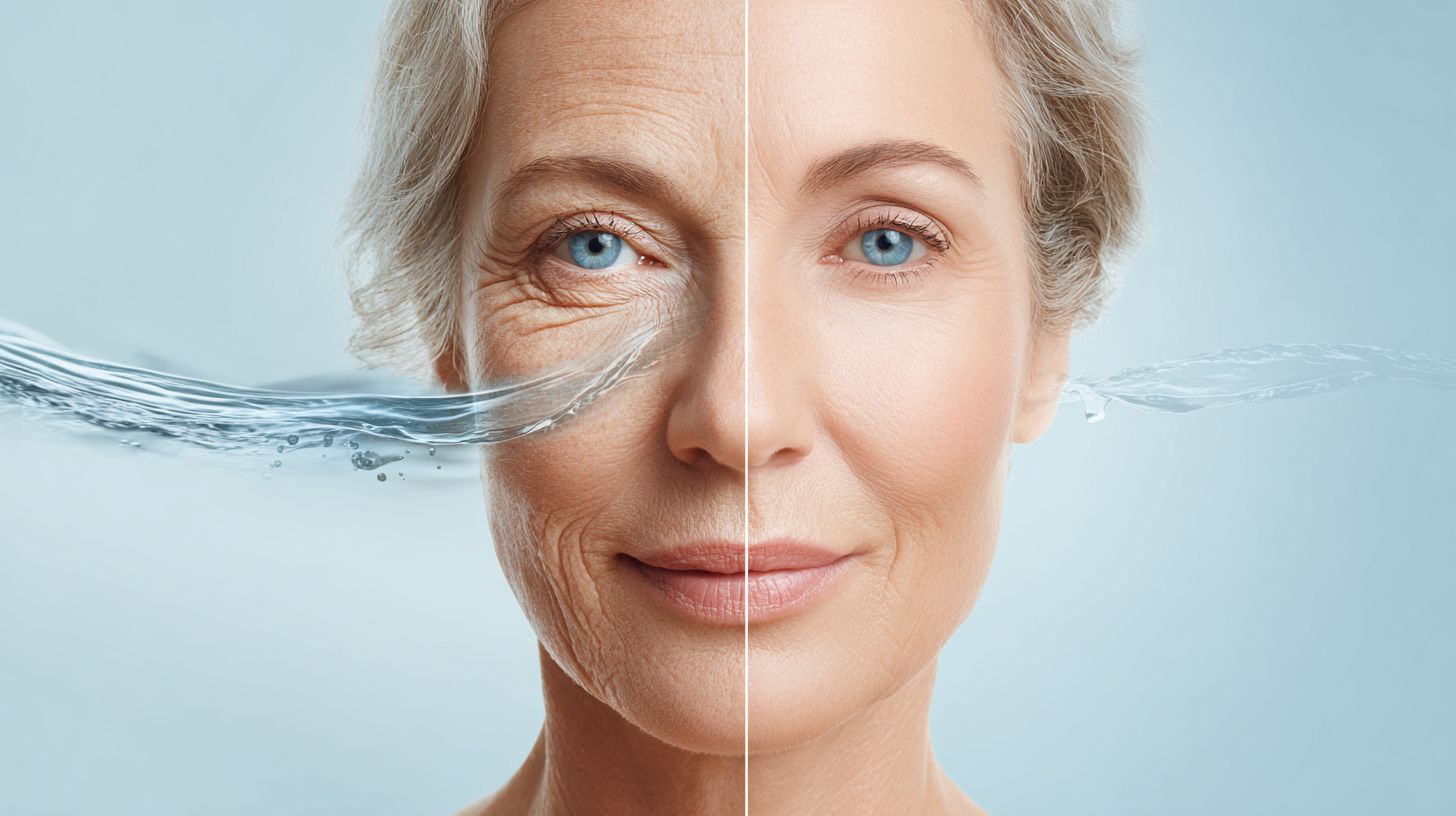
- Cleanse with a gentle, non-stripping cleanser to remove dirt without drying skin.
- Apply hyaluronic acid serum on damp skin to pull in moisture.
- Follow with emollient cream containing ceramides for smoothing.
- Finish with occlusive like Aquaphor to seal everything in.
Repeat morning and night for consistent skin glow. In low humidity, add a facial mist midday. This builds elastic skin over time.
Lifestyle Factors Influencing Hydration
Alcohol dehydrates by pulling 300ml of water per drink from the body, while sleep under six hours boosts transepidermal water loss (TEWL). These habits disrupt skin hydration and reduce skin elasticity. Daily adjustments can restore balance for better skin glow.
Caffeine from coffee acts as a diuretic, with 200ml causing electrolyte drops that affect moisture retention. Pair it with mineral-rich drinks to counteract this. This supports collagen production and prevents dull skin.
Environmental factors like air conditioning lower humidity, drying out the skin barrier. Exercise demands extra water intake, and low-carb diets like keto require increased fluids for ketosis flush. Addressing these maintains plump skin and radiant skin.
Experts recommend tracking daily water consumption and using countermeasures to fight dehydration effects. Simple changes enhance skin firmness and wrinkle reduction. In this guide 2026, focus on internal hydration for lasting results.
| Lifestyle Factor | Dehydration Effect | Countermeasure |
|---|---|---|
| Coffee (200ml) | Diuretic action drops electrolytes | Drink coconut water or herbal teas alongside |
| Air conditioning | Reduces indoor humidity | Use a humidifier for moisture retention |
| Exercise | Increases sweat loss | Consume 16oz water per 30 minutes |
| Keto diet | Promotes fluid flush in ketosis | Add +2L water daily with electrolytes |
| Alcohol | Dehydrates via diuretic effect | Hydrate with alkaline water before bed |
| Poor sleep | Raises TEWL | Prioritize 7-9 hours with evening hydration |
Daily Habits for Optimal Water Intake
Incorporate electrolyte balance into routines to combat caffeine impact and alcohol dehydration. Sip on coconut water after coffee for natural replenishment. This boosts skin turgor and skin texture.
During exercise, match sweat loss with targeted post-workout hydration. Add lemon to water for better absorption. These steps support skin barrier function and reduce inflammation.
Environmental Adjustments for Skin Health
Counter heating effects and air conditioning with a room humidifier set to 40-60% humidity. Apply facial mists throughout the day for instant relief. This preserves hyaluronic acid levels in the skin.
In dry winter months, layer humectants like organic aloe vera with emollients. Monitor with a simple pinch test for elasticity. Such habits promote dermal matrix health and fine lines prevention.
2026 Research Updates and Innovations
2026 brings aquaporin-mimicking peptides boosting hydration 3x in UC Berkeley trials. These innovations target skin elasticity by enhancing water channels in skin cells. They promise better moisture retention for plump, radiant skin.
GlycoReguline peptides from L’Oral’s patent regulate sugar-related hydration in the dermis. They support collagen production and reduce fine lines by mimicking natural aquaporins. Daily use in serums could improve skin firmness noticeably.
Devices like HidrateSpark PRO act as AI hydration coaches, tracking water intake via smart reminders. Pair it with SkinScript AI scanner for personalized analysis of skin hydration levels. These tools help monitor TEWL and adjust habits for elastic skin.
- Track daily water consumption with app reminders.
- Use AI scans to check skin capacitance weekly.
- Combine with herbal teas for electrolyte balance.
Trends include oral nanohydrators and microbiome hydrators, as previewed in Journal of Cosmetic Dermatology 2025. They foster skin barrier function and glow from within. Incorporate them into routines for wrinkle reduction and dermal health.
GlycoReguline Peptides and Aquaporin Mimics
GlycoReguline peptides focus on glycosaminoglycans to lock in moisture deep in the skin. They enhance skin turgor, making the pinch test show quicker bounce-back. Apply in morning serums for all-day hydration.
Aquaporin-mimicking tech opens water pathways, aiding fibroblasts in the dermal matrix. This supports skin glow and reduces dehydration effects like dull texture. Experts recommend pairing with hyaluronic acid for best results.
Practical tip: Use peptide ampoules post-cleanse. Follow with gua sha for lymphatic drainage and even moisture. Mature skin benefits most from this combo for firmness.
AI Tools for Personalized Hydration
HidrateSpark PRO uses AI to coach on water intake, factoring in exercise and climate. It prevents premature aging from low hydration during workouts. Sync with wearables for real-time alerts.
SkinScript AI scanner assesses hydration via bioimpedance, guiding topical choices. Scan before applying moisturizers to target dry patches. This hybrid approach boosts skin recovery overnight.
- Check urine color for internal hydration cues.
- Scan skin after air conditioning exposure.
- Adjust for caffeine impact with extra sips.
Incorporate into glass skin routines with essence toners. Men and women see glow improvements with consistent use.
Emerging Trends: Nanohydrators and Microbiome Support
Oral nanohydrators deliver tiny hydration particles for internal skin health. They aid skin microbiome balance, reducing inflammation for radiant skin. Take with collagen peptides daily.
Microbiome hydrators in creams use fermented ingredients like seaweed extracts. They strengthen barrier function against environmental factors. Ideal for eczema or rosacea with pH-balanced formulas.
Trends favor vegan humectants and zero-waste options. Try sheet masks with organic aloe vera weekly. This supports elastic skin across seasons, from winter dryness to summer needs.
Practical Tips for Optimal Skin Hydration
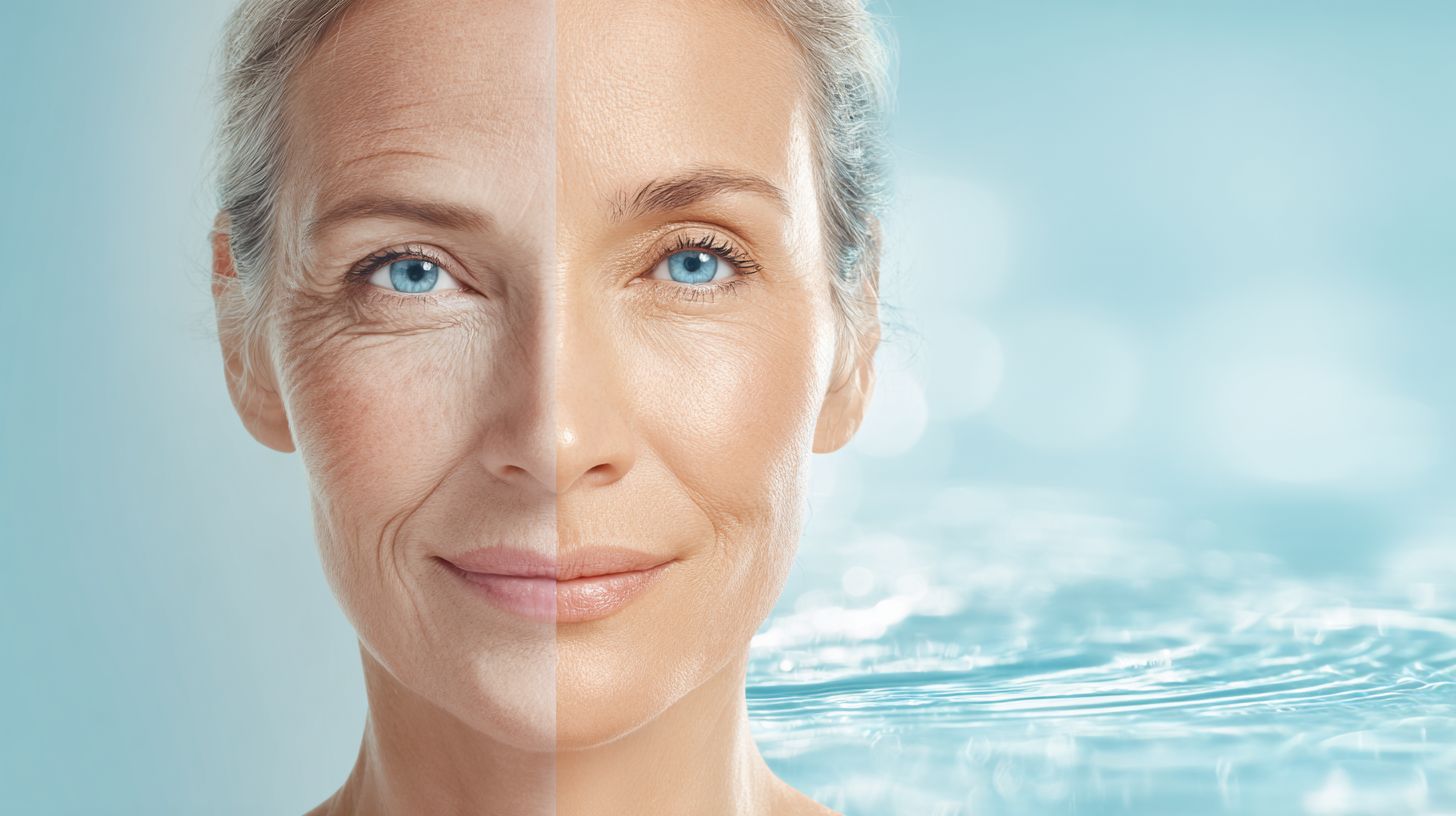
Morning routine: 500ml lemon water + hyaluronic mist = instant plumpness boost. This simple start supports water intake and enhances skin elasticity right away. Experts recommend it to combat dehydration effects and promote radiant skin.
Track your progress with a daily pinch test on the back of your hand to check skin turgor. Combine it with tools like corneometer apps for skin capacitance readings. Weekly audits using photos help monitor skin firmness and wrinkle reduction.
Incorporate topical moisturizers with humectants like hyaluronic acid for moisture retention. Pair oral hydration from mineral water or herbal teas with emollients to strengthen the skin barrier function. This hybrid approach boosts collagen production and reduces fine lines.
Address environmental factors by adjusting for low humidity from air conditioning or heating. Use smart water bottles to maintain daily water consumption and electrolyte balance. These steps align with 2026 trends in personalized hydration for elastic skin.
10 Actionable Tips Checklist
- Perform a pinch test daily on the back of your hand to assess skin elasticity and detect early dehydration effects.
- Carry a smart bottle like WaterH to track water intake and remind you of hydration levels throughout the day.
- Apply a nightly ceramide mask to repair the skin barrier and improve moisture retention overnight.
- Use cucumber eye pads in your routine to soothe puffiness and enhance under-eye skin glow.
- Roll a facial ice globe over your face to constrict capillaries and boost circulation for firmer skin.
- Drink coconut water post-workout for electrolyte balance and quicker skin recovery.
- Mist with essence toners containing niacinamide to lock in hydration and calm inflammation.
- Incorporate sheet masks twice weekly with seaweed extracts for deep skin hydration.
- Practice facial yoga daily to improve skin texture and support dermal matrix health.
- Check urine color as a simple test for internal hydration alongside your skin elasticity test.
Weekly Audit for Lasting Results
Set aside time each week for a hydration audit using smartphone photos from consistent angles. Compare changes in skin glow and plumpness to track progress. This reveals improvements in skin health from consistent habits.
Pair photos with a corneometer app or bioimpedance analysis if available for precise TEWL insights. Note factors like caffeine impact or sleep quality affecting aquaporins. Adjust your routine based on findings for better skin firmness.
Focus on seasonal needs, such as extra ceramides in winter dryness or lightweight mists in summer. Include dermatologist tips like non-comedogenic options for acne-prone skin. This builds sustainable skin aging prevention.
Frequently Asked Questions
How does hydration directly impact skin elasticity according to the ‘How Hydration Affects Skin Elasticity and Glow (Guide 2026)’?
Hydration is essential for maintaining skin elasticity as outlined in the ‘How Hydration Affects Skin Elasticity and Glow (Guide 2026)’. Well-hydrated skin has plump, flexible cells that allow it to snap back after stretching, reducing the appearance of fine lines and sagging. Dehydration leads to stiff, brittle skin that loses its bounce, making elasticity visibly decline.
What role does water intake play in achieving skin glow as per ‘How Hydration Affects Skin Elasticity and Glow (Guide 2026)’?
The ‘How Hydration Affects Skin Elasticity and Glow (Guide 2026)’ explains that adequate water intake flushes toxins and supports cellular function, resulting in a radiant glow. Hydrated skin reflects light better due to its smooth, plump surface, while dehydration causes dullness from toxin buildup and uneven texture.
How much daily water is recommended for optimal skin elasticity and glow in ‘How Hydration Affects Skin Elasticity and Glow (Guide 2026)’?
According to ‘How Hydration Affects Skin Elasticity and Glow (Guide 2026)’, aim for at least 8-10 glasses (2-3 liters) of water daily, adjusted for activity level and climate. This ensures skin remains elastic and glowing by maintaining intracellular water balance and preventing dryness.
Can topical hydration products enhance skin elasticity beyond drinking water, based on ‘How Hydration Affects Skin Elasticity and Glow (Guide 2026)’?
Yes, the ‘How Hydration Affects Skin Elasticity and Glow (Guide 2026)’ notes that combining internal hydration with humectants like hyaluronic acid in topical products locks in moisture, boosting elasticity. This duo creates a barrier that preserves skin’s natural glow and firmness more effectively than water alone.
What are the signs of dehydration affecting skin elasticity and glow from ‘How Hydration Affects Skin Elasticity and Glow (Guide 2026)’?
‘How Hydration Affects Skin Elasticity and Glow (Guide 2026)’ identifies key signs: skin that doesn’t bounce back when pinched (poor elasticity), dull or flaky appearance (lost glow), and increased wrinkles. These occur because dehydrated skin loses volume and translucency quickly.
How long does it take for improved hydration to show effects on skin elasticity and glow per ‘How Hydration Affects Skin Elasticity and Glow (Guide 2026)’?
The ‘How Hydration Affects Skin Elasticity and Glow (Guide 2026)’ states that noticeable improvements in skin elasticity and glow can appear within 1-2 weeks of consistent hydration. Full benefits, like enhanced plumpness and radiance, may take 4-6 weeks as skin cells regenerate.