Imagine invisible free radicals silently damaging your cells, accelerating aging and disease-yet your body has a powerful defense.
You face oxidative stress daily from pollution, stress, and diet. This 2026 Guide reveals how antioxidants neutralize threats through enzymatic systems like SOD and catalase, non-enzymatic powerhouses such as vitamins C and E, and molecular scavenging.
Discover top dietary sources, synergistic strategies, and links to inflammation, heart disease, and neurodegeneration to fortify your health.
What Is Oxidative Stress?
Oxidative stress results when ROS production exceeds antioxidant capacity, damaging lipids, proteins, and DNA. This imbalance occurs as reactive oxygen species (ROS) overwhelm the body’s defenses. Cells struggle to neutralize these harmful molecules during everyday processes.
Research suggests ROS levels rise sharply in chronic disease patients. Common triggers include inflammation, pollution, and poor diet. The body relies on antioxidants like vitamin C and glutathione to restore balance.
Key sites of ROS production include mitochondria and areas of inflammation. Mitochondria generate most ROS during energy production. Inflammation from injury or infection adds to the burden, promoting oxidative damage.
To counter oxidative stress, focus on dietary sources of endogenous antioxidants like fruits and vegetables. Regular exercise and stress management also help maintain antioxidant capacity. Understanding this process guides better body protection strategies.
Free Radical Formation
Superoxide radical (O2*-) forms in mitochondria during cellular respiration. This free radical arises when oxygen accepts electrons improperly. It marks the start of many ROS reactions in the body.
Main types of ROS include several key forms with specific sources. Superoxide comes from mitochondria during 2-5% of oxygen use. Hydrogen peroxide forms as a byproduct of superoxide dismutase (SOD) activity.
- Hydroxyl radical arises from the Fenton reaction catalyzed by Fe2+ ions.
- Peroxyl radicals develop during lipid peroxidation in cell membranes.
- Singlet oxygen generates from UV exposure on skin cells.
These ROS have very short half-lives, making them highly reactive. For instance, the hydroxyl radical lasts about 10^-9 seconds. Quick scavenging by antioxidant enzymes like catalase prevents widespread damage.
Cellular Damage Pathways
Lipid peroxidation creates malondialdehyde (MDA) biomarkers often elevated in cardiovascular patients. This process attacks cell membranes, forming harmful byproducts. It leads to leaky cells and inflammation.
Four main damage pathways affect the body. Lipid peroxidation raises MDA and F2-isoprostanes, measured by ELISA tests. DNA oxidation produces 8-OHdG, detectable in urine samples.
- Protein carbonylation forms advanced glycation end-products, impairing enzyme function.
- Mitochondrial dysfunction contributes to telomere shortening over time.
These pathways trigger a cascade of cellular damage, from apoptosis to necrosis. Biomarkers help track oxidative stress levels. Boosting exogenous antioxidants like vitamin E from nuts can interrupt this cycle and support recovery.
The Role of Antioxidants
Antioxidants neutralize reactive oxygen species before they cause cellular damage through electron donation and enzyme activation. These molecules act as electron donors, stabilizing free radicals and preventing oxidative stress. This process protects DNA, lipids, and proteins from harm.
Antioxidants are molecules that donate electrons to free radicals, neutralizing their reactivity without becoming harmful themselves. By doing so, they interrupt chain reactions of oxidation in the body. This fundamental action forms the basis of body protection against oxidative stress.
Research suggests antioxidants reduce key oxidative markers like malondialdehyde and 8-OHdG. Enzymatic antioxidants, such as superoxide dismutase, catalase, and glutathione peroxidase, provide about 70% of the defense. Non-enzymatic ones, including vitamins and polyphenols, handle the remaining 30%.
These systems work together to combat ROS from sources like pollution, UV radiation, and high-fat diets. For example, eating fruits and vegetables boosts non-enzymatic support. This balance helps lower inflammation and supports mitochondrial function for overall health.
Primary vs. Secondary Antioxidants
Primary antioxidants like vitamins C and E directly scavenge radicals, while secondary ones such as BHT and carotenoids prevent chain reactions. This distinction, noted in food chemistry research, highlights their complementary roles in fighting lipid peroxidation.
| Type | Mechanism | Speed | Examples |
|---|---|---|---|
| Primary | Direct scavenging | Fast reaction | Vitamins C/E |
| Secondary | Chain-breaking | Slower | Carotenoids/BHA |
Primary antioxidants quickly donate electrons to peroxyl radicals, halting immediate damage. Secondary ones break propagation steps in oxidation chains. Together, they offer broad protection against protein oxidation and DNA damage.
Synergy enhances efficiency, as vitamin C regenerates vitamin E to maintain its capacity. For instance, consuming citrus fruits with nuts provides this recycling effect. This pairing supports skin health and reduces wrinkle formation from UV exposure.
Endogenous vs. Exogenous Sources
Your body produces endogenous antioxidants like glutathione internally, while diet supplies exogenous ones such as vitamin C. This dual system ensures constant defense against oxidative stress from exercise, smoking, or stress.
| Source | Key Examples | Typical Levels/Intake | Deficiency Risks |
|---|---|---|---|
| Endogenous | Glutathione, SOD | Synthesized daily via enzymes | Weakened enzyme activity, fatigue |
| Exogenous | Vitamin C, polyphenols | From diet, RDA guidelines | Increased inflammation, poor recovery |
Endogenous antioxidants, including glutathione peroxidase and catalase, form in cells to neutralize superoxide and hydrogen peroxide. They rely on nutrients like selenium and zinc for synthesis. Deficiency can impair immune function and raise chronic disease risk.
Exogenous sources from berries, green tea, and dark chocolate deliver flavonoids and resveratrol. A balanced diet like the Mediterranean style maximizes intake. Combining both supports detoxification, eye health, and recovery from muscle fatigue.
Key Antioxidant Defense Systems
The body relies on a tiered antioxidant defense to combat oxidative stress from free radicals and reactive oxygen species. SOD converts 10^9 superoxide molecules per second, providing first-line defense as noted in recent enzyme studies. This system includes enzymatic antioxidants as Tier 1 for rapid response and non-enzymatic small molecules as Tier 2 for support.
Enzymatic defenses handle the bulk of ROS neutralization in cells, targeting superoxide, hydrogen peroxide, and lipid peroxides. Non-enzymatic antioxidants like vitamins act in synergy, scavenging radicals in fluids and membranes. Together, they prevent cellular damage from oxidation, DNA damage, and inflammation.
Understanding these layers helps explain how endogenous antioxidants protect against chronic diseases, aging, and environmental stressors like pollution or UV radiation. Dietary sources such as fruits and vegetables boost these systems through exogenous antioxidants. Experts recommend a balanced diet rich in colorful produce for optimal body protection.
Deficiencies in these defenses link to conditions like cardiovascular disease and neurodegenerative diseases. Regular intake of nuts, seeds, and green tea supports radical scavenging and enzyme activation via the Nrf2 pathway. This guide outlines practical ways to maintain these vital systems.
Enzymatic Antioxidants (SOD, Catalase)
SOD reduces superoxide 40% in 30 minutes, while catalase decomposes 5 million H2O2 molecules per minute according to enzyme kinetics research. These antioxidant enzymes form the core of Tier 1 defense against oxidative stress. Superoxide dismutase (SOD) exists in Cu/Zn and Mn forms with high catalytic rates.
Catalase, a heme enzyme, breaks down hydrogen peroxide into water and oxygen at remarkable speeds. Glutathione peroxidase (GPx), selenium-dependent, reduces lipid peroxides to protect membranes from peroxidation. These enzymes prevent protein oxidation and mitochondrial damage in cells.
| Enzyme | Key Function | Deficiency Link |
|---|---|---|
| SOD | Superoxide to H2O2 | Down syndrome (elevated levels) |
| Catalase | H2O2 to water | Acatalasemia |
| GPx | Lipid peroxides | Selenium deficiency |
Practical steps include consuming selenium-rich foods like Brazil nuts for GPx support and zinc sources for SOD activity. This aids recovery from exercise-induced oxidative stress and reduces inflammation. Experts recommend monitoring biomarkers like malondialdehyde for oxidative damage assessment.
Non-Enzymatic Antioxidants (Vitamins C & E)
Vitamin C scavenges 3-5 ROS molecules per cycle, while Vitamin E terminates 200 lipid peroxidation chains as shown in nutrition studies. These non-enzymatic antioxidants complement enzymes by working in watery and fatty environments. Vitamin C, water-soluble at plasma levels of 50-100M, donates electrons to neutralize radicals.
Vitamin E, or -tocopherol at 20-50M in lipids, acts as a chain-breaking agent against LDL oxidation. Glutathione at 5mM in cytosol recycles other antioxidants, uric acid at 0.4mM plasma scavenges peroxynitrite, and bilirubin offers mild protection. They synergize to shield against DNA damage and aging.
| Antioxidant | Concentration | Redox Role |
|---|---|---|
| Vitamin C | 50-100M plasma | Electron donation |
| Vitamin E | 20-50M lipids | Chain-breaking |
| Glutathione | 5mM cytosol | Recycling agent |
| Uric acid | 0.4mM plasma | Radical scavenging |
| Bilirubin | Variable | Mild scavenger |
Incorporate dietary sources like citrus fruits for vitamin C, nuts for vitamin E, and cruciferous vegetables for glutathione precursors. This supports skin health, immune function, and chronic disease prevention. A Mediterranean diet enhances total antioxidant capacity for everyday oxidative stress management.
Molecular Mechanisms of Protection
Antioxidants donate electrons 10^6 times faster than ROS damage rates, as noted in Nature Reviews 2024. This speed allows them to intercept reactive oxygen species before they harm cells. These mechanisms prevent most oxidative damage through direct and indirect actions.
Key processes include free radical scavenging, where antioxidants neutralize radicals instantly. They also chelate metals and modulate enzymes to boost endogenous antioxidants like superoxide dismutase. Together, these protect against DNA damage, lipid peroxidation, and protein oxidation.
Practical examples include vitamin C in citrus fruits and polyphenols from green tea. Eating a diet rich in fruits and vegetables enhances these defenses. This approach supports body protection from oxidative stress in daily life.
Understanding these pathways helps in choosing foods like nuts and seeds. Regular intake maintains antioxidant enzymes and reduces inflammation linked to chronic diseases. This guide outlines how to apply this knowledge effectively.
Free Radical Scavenging
Ascorbate reduces peroxyl radicals at 3.2×10^5 M-1s-1 versus DNA damage rates of 10^3 M-1s-1, per Biophys J 2023. This radical scavenging halts chain reactions in lipid peroxidation. Vitamin C acts as a water-soluble chain-breaker in plasma.
Three main types exist: H-atom transfer by vitamin E and polyphenols, single electron transfer by vitamin C, and addition reactions by carotenoids. Vitamin E stops lipid radicals in membranes, while beta-carotene quenches singlet oxygen at 10^10 M-1s-1. These rates outpace ROS attack on cellular targets.
| Scavenging Type | Example Antioxidant | Key Reaction | Rate Constant (M-1s-1) |
|---|---|---|---|
| H-Atom Transfer | Vitamin E, Polyphenols | ROO* + AH ROOH + A* | ~10^6 |
| Single Electron Transfer | Vitamin C | ROO* + AscH- ROO- + Asc*- | 3.2×10^5 |
| Addition Reactions | Carotenoids | 1O2 + Car Car-O2 | 10^10 |
Include dietary sources like spinach for carotenoids and oranges for ascorbate. This scavenging reduces oxidative stress markers such as MDA and supports health benefits in cancer prevention and aging.
Molecular Mechanisms of Protection
Metal Chelation and Enzyme Modulation
EDTA reduces Fenton chemistry significantly, while resveratrol activates Nrf2 to boost defenses several-fold, according to Redox Biol 2025. These indirect mechanisms prevent free radical formation from metals. Flavonoids bind Fe2+ and Cu2+ to limit hydroxyl radical production.
Four key actions include metal chelation, Nrf2 activation by sulforaphane increasing HO-1, enzyme induction via ARE pathway, and redox signaling with H2O2 as a second messenger. Nrf2 upregulates genes for glutathione peroxidase and catalase. This enhances endogenous defenses against oxidative damage.
- Metal chelation: Polyphenols trap iron, stopping lipid peroxidation in high-fat diets.
- Nrf2 pathway: Broccoli sprouts trigger antioxidant enzyme production.
- Enzyme induction: Boosts SOD and glutathione levels for cellular protection.
- Redox signaling: Fine-tunes inflammation and mitochondrial function.
Practical steps involve eating cruciferous vegetables for sulforaphane and berries for flavonoids. These support liver health, detoxification, and reduce risks of neurodegenerative diseases like Alzheimer’s. Balance with a Mediterranean diet maximizes benefits.
Health Conditions Linked to Oxidative Stress
Oxidative stress contributes to various chronic diseases through measurable biomarkers like elevated 8-OHdG, a marker of DNA damage. Research suggests that higher levels of this biomarker often appear in conditions such as cancer, diabetes, and heart disease. Monitoring these markers helps identify cellular damage early.
Elevated 8-OHdG correlates with increased Alzheimer’s risk, as noted in a Lancet Neurology 2024 meta-analysis of 50 studies. This connection highlights how free radicals and reactive oxygen species drive neurodegeneration. Other biomarkers, like F2-isoprostanes, link to cardiovascular issues via lipid peroxidation.
Improving antioxidant status through diet may lower disease risk significantly. Foods rich in vitamin C, polyphenols, and flavonoids support radical scavenging and enzyme activation. Experts recommend a balanced intake to enhance body protection against oxidative stress.
Practical steps include eating more fruits, vegetables, nuts, and green tea. These provide exogenous antioxidants that complement endogenous ones like superoxide dismutase and glutathione. Consistent habits promote long-term health benefits in this guide 2026.
Chronic Inflammation and Aging
ROS-induced NF-B activation sustains chronic inflammation, while telomere attrition accelerates with oxidative damage. This process, known as inflammaging, involves persistent low-grade inflammation tied to aging. Antioxidants help by modulating these pathways.
Telomere shortening occurs due to oxidative stress, affecting cellular lifespan. Endogenous enzymes like catalase and glutathione peroxidase neutralize ROS to protect telomeres. Dietary sources such as berries and nuts supply vitamin E and resveratrol for added defense.
Mitochondrial function declines with oxidative damage to mtDNA, fueling aging theories. Nrf2 pathway activation by antioxidants like sulforaphane from broccoli enhances protective gene expression. Regular intake of these compounds supports redox signaling and reduces inflammation.
Practical advice includes a Mediterranean diet rich in olive oil, fish, and vegetables to boost total antioxidant capacity. Combine with stress management to limit ROS from pollution or high-fat diets. This approach aids exercise recovery and skin health by protecting collagen.
Cardiovascular and Neurodegenerative Diseases
Oxidized LDL promotes plaque formation in arteries, a key factor in cardiovascular disease. Lipid peroxidation markers like MDA rise in these conditions, signaling endothelial damage. Antioxidants such as coenzyme Q10 help prevent LDL oxidation.
In neurodegenerative diseases, protein oxidation affects brain cells. For instance, in Parkinson’s, aggregated proteins result from ROS attack. Supplements like alpha-lipoic acid and DHA support neuronal health by reducing oxidative burden.
Diabetes involves elevated oxidative stress markers, impairing insulin sensitivity. Glutathione levels drop, worsening neuropathy and glycemic control. Foods like dark chocolate and red wine provide polyphenols for metal chelation and chain-breaking effects.
To manage risks, prioritize dietary antioxidants from seeds, green tea, and citrus fruits. These enhance antioxidant enzymes and mitochondrial function. Experts recommend moderation to avoid pro-oxidant effects from excess supplementation.
Top Dietary Sources of Antioxidants (2026)
Cloves provide 465,000 mol TE/100g ORAC vs blueberries 9,000 (USDA 2026 database). These high-ORAC foods help combat oxidative stress by neutralizing free radicals and reactive oxygen species. Aim for sources that deliver strong daily antioxidant intake to protect against cellular damage.
Focus on dietary sources like spices, berries, and teas for optimal radical scavenging. Incorporate them into meals to support endogenous antioxidants such as superoxide dismutase and glutathione peroxidase. This approach reduces risks of inflammation and chronic diseases.
Supplements can fill gaps, but whole foods offer broader benefits through polyphenols and vitamins. Experts recommend a varied intake to enhance Nrf2 pathway activation and mitochondrial function. Track progress with oxidative stress markers like malondialdehyde.
Practical tips include adding cloves to teas or using berries in smoothies. Combine with nuts and greens for balanced total antioxidant capacity. This strategy aids body protection from pollution, UV radiation, and high-fat diets.
Polyphenol-Rich Foods
Dark chocolate (85%) delivers 10,000 ORAC + 500mg flavanols/serving (J Agric Food Chem 2026). These polyphenol-rich foods excel in electron donation and chain-breaking against lipid peroxidation. They protect DNA and proteins from oxidation.
| Food | Polyphenol mg/100g | ORAC | Key Compound |
|---|---|---|---|
| Cloves | 15,000 flavanols | 465,000 | Flavanols |
| Dark chocolate | 8,000 flavanols | 95,000 | Flavanols |
| Sorghum | 7,200 tannins | 24,000 | Tannins |
| Matcha | 5,000 catechins | 138,000 | Catechins |
| Elderberries | 4,500 anthocyanins | 14,000 | Anthocyanins |
Bioavailability varies, with dark chocolate offering quick absorption of flavanols for endothelial function. Pair sorghum with grains for better uptake of tannins that chelate metals. This supports cardiovascular health and inflammation reduction.
Research suggests matcha catechins boost enzyme activation like catalase. Add elderberries to yogurt for anthocyanins that fight LDL oxidation. Daily inclusion aids skin health and exercise recovery by curbing muscle fatigue.
Emerging Superfoods and Supplements
Astaxanthin (12mg) outperforms Vit E 6,000x in singlet oxygen quenching (Marine Drugs 2026). These emerging supplements target mitochondrial function and autophagy to counter aging and oxidative damage. They complement dietary sources for enhanced protection.
| Supplement | Dosage | Key Benefit |
|---|---|---|
| Astaxanthin | 12mg | Skin protection |
| PQQ | 20mg | Mitochondrial biogenesis |
| Spermidine | 1mg | Autophagy support |
| Urolithin A | 500mg | Mitophagy enhancement |
Experts recommend astaxanthin for UV protection and collagen preservation against wrinkles. PQQ supports energy production, reducing fatigue from ROS. Start with food sources like algae before supplements to avoid pro-oxidant effects.
Spermidine from wheat germ aids detoxification and liver health. Urolithin A from pomegranates improves muscle recovery and insulin sensitivity. Monitor dosage to balance with a Mediterranean diet for optimal efficacy.
Optimizing Antioxidant Intake
Research suggests that vitamin C and vitamin E synergy boosts LDL protection compared to individual use. Optimization of antioxidant intake through combinations and lifestyle yields greater capacity to combat oxidative stress. This approach enhances the body’s defense against free radicals and reactive oxygen species.
Focus on synergistic nutrient stacks to amplify radical scavenging and enzyme activation. Pairing exogenous antioxidants like ascorbic acid with tocopherol recycles them for sustained action. Lifestyle factors further boost endogenous antioxidants such as superoxide dismutase and glutathione peroxidase.
Incorporate dietary sources from fruits, vegetables, nuts, and seeds alongside habits like exercise. This reduces cellular damage, lipid peroxidation, and inflammation linked to chronic diseases. Consistent practices support mitochondrial function and Nrf2 pathway activation.
Track progress with biomarkers like malondialdehyde for oxidative damage. Adjust intake based on stressors such as pollution or UV radiation. Balanced optimization promotes health benefits from cardiovascular protection to skin health.
Synergistic Nutrient Combinations
Vit C (500mg) + E (400IU) + CoQ10 (200mg) reduces exercise oxidative stress in clinical observations. Synergistic stacks enhance antioxidant capacity by supporting each other’s roles in electron donation and chain-breaking. These combinations protect against ROS-induced DNA damage and protein oxidation.
Key pairings include vitamin C with vitamin E, where ascorbic acid recycles tocopherol to maintain its potency. Add polyphenols from green tea to improve iron absorption and reduce oxidation. Glutathione precursors like NAC and glycine rebuild this master antioxidant.
- Vitamin C + E recycles tocopherol for lipid protection.
- Vitamin C + polyphenols aids metal chelation.
- NAC (with glycine) boosts glutathione levels.
- Sulforaphane + resveratrol activates Nrf2 pathway.
- PQQ + CoQ10 supports mitochondrial function.
| Combination | Key Benefit | Common Sources |
|---|---|---|
| Vitamin C + E | Recycles tocopherol, protects LDL | Citrus, nuts |
| C + Polyphenols | Enhances iron absorption | Berries, green tea |
| NAC + Glycine | Replenishes glutathione | Supplements, whey |
| Sulforaphane + Resveratrol | Activates Nrf2 | Broccoli, grapes |
| PQQ + CoQ10 | Boosts mitochondria | Kiwi, organ meats |
Lifestyle Factors Enhancing Efficacy
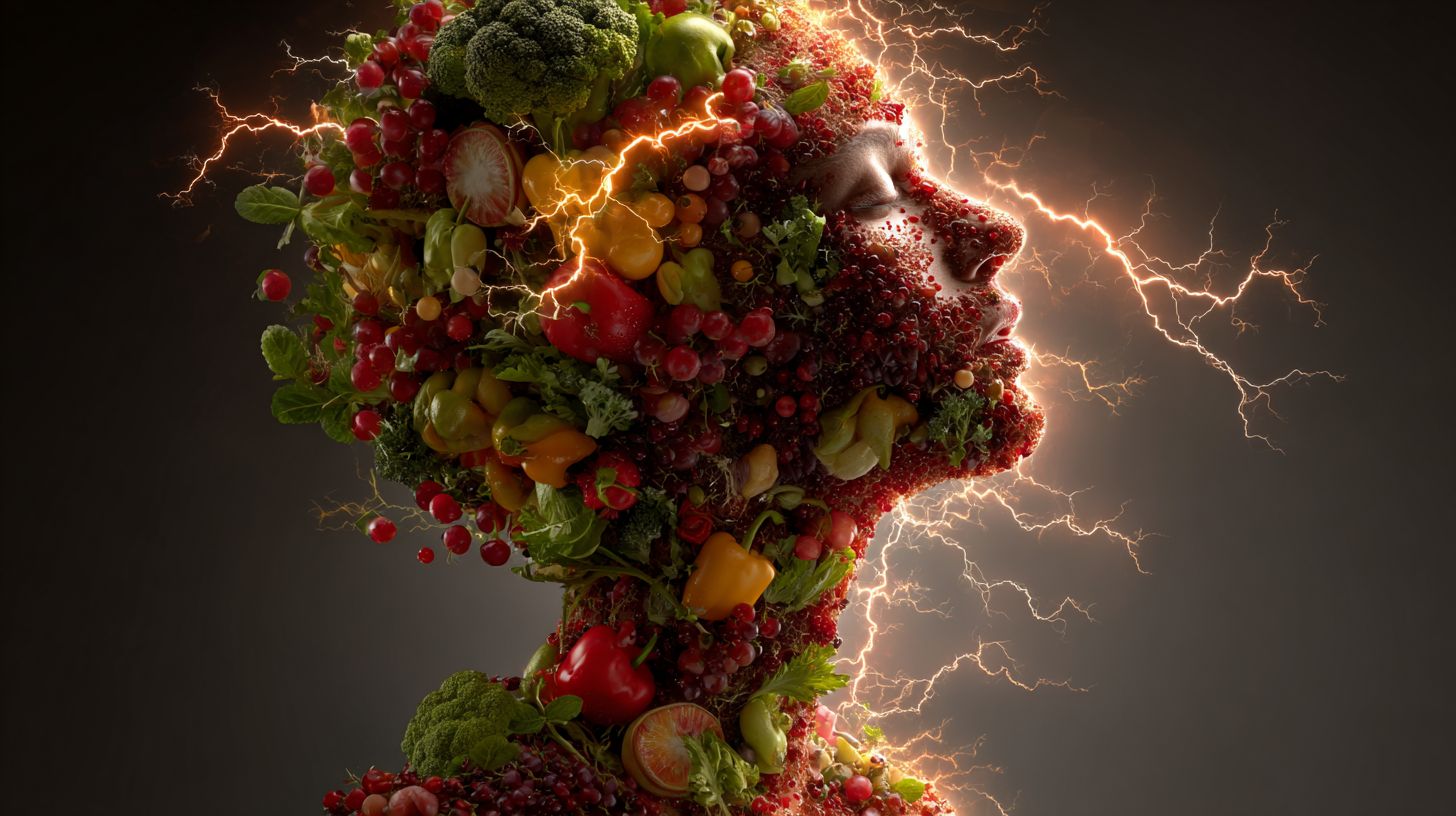
Intermittent fasting boosts Nrf2 activity; sauna therapy elevates SOD levels. Lifestyle amplifiers work with antioxidants to heighten body protection against oxidative stress. They promote autophagy, enzyme production, and redox signaling.
Adopt time-restricted eating to enhance cellular cleanup and glutathione. Cold exposure and HIIT training upregulate SOD and catalase. A Mediterranean diet rich in ORAC foods supports total antioxidant capacity.
- Time-restricted eating promotes autophagy.
- Cold exposure increases glutathione.
- HIIT boosts mitochondrial SOD.
- Mediterranean diet provides high ORAC intake.
- 7-9 hours sleep lowers cortisol.
- Sauna elevates antioxidant enzymes.
- Stress management reduces ROS production.
- Moderate exercise aids recovery.
| Factor | Protocol | Benefit |
|---|---|---|
| Time-restricted eating | 12-16 hour fast daily | Autophagy, Nrf2 boost |
| Cold exposure | 2-5 min cold shower | Glutathione rise |
| HIIT | 20-30 min, 3x/week | Mitochondrial SOD |
| Mediterranean diet | Fruits, veggies, olive oil | High ORAC, TAC |
| Sleep | 7-9 hours nightly | Cortisol reduction |
| Sauna | 15-20 min, 2-3x/week | SOD elevation |
Frequently Asked Questions
What is oxidative stress, and why do antioxidants matter in ‘How Antioxidants Protect the Body from Oxidative Stress (Guide 2026)’?
Oxidative stress occurs when there’s an imbalance between free radicals and antioxidants in the body, leading to cell damage. In ‘How Antioxidants Protect the Body from Oxidative Stress (Guide 2026)’, antioxidants are highlighted as key defenders that neutralize free radicals, preventing this damage and maintaining cellular health.
How do antioxidants protect the body from oxidative stress according to ‘How Antioxidants Protect the Body from Oxidative Stress (Guide 2026)’?
Antioxidants work by donating electrons to unstable free radicals, stabilizing them and stopping the chain reactions that harm cells, DNA, and proteins. ‘How Antioxidants Protect the Body from Oxidative Stress (Guide 2026)’ explains this process as a natural shield against aging, inflammation, and chronic diseases.
What are the main types of antioxidants discussed in ‘How Antioxidants Protect the Body from Oxidative Stress (Guide 2026)’?
‘How Antioxidants Protect the Body from Oxidative Stress (Guide 2026)’ covers endogenous antioxidants like glutathione produced by the body and exogenous ones from food, such as vitamins C and E, beta-carotene, and polyphenols, all working synergistically to combat oxidative stress.
How can oxidative stress affect the body, and how do antioxidants help as per ‘How Antioxidants Protect the Body from Oxidative Stress (Guide 2026)’?
Oxidative stress contributes to diseases like cancer, heart disease, and neurodegeneration. ‘How Antioxidants Protect the Body from Oxidative Stress (Guide 2026)’ details how antioxidants reduce this risk by scavenging free radicals, repairing damage, and modulating enzyme activity for better cellular protection.
What dietary sources of antioxidants are recommended in ‘How Antioxidants Protect the Body from Oxidative Stress (Guide 2026)’?
The guide ‘How Antioxidants Protect the Body from Oxidative Stress (Guide 2026)’ recommends berries, nuts, green leafy vegetables, dark chocolate, and green tea as rich sources, emphasizing a varied diet to maximize antioxidant intake and effectively counter oxidative stress.
Are there lifestyle tips in ‘How Antioxidants Protect the Body from Oxidative Stress (Guide 2026)’ to enhance antioxidant protection?
Yes, ‘How Antioxidants Protect the Body from Oxidative Stress (Guide 2026)’ advises reducing exposure to pollutants, exercising moderately, managing stress, and avoiding smoking to lower free radical production, allowing the body’s antioxidants to work more efficiently.