Feel your energy plummet by midday, leaving you drained despite coffee? Harvard studies confirm regular movement spikes ATP production, banishing fatigue. Discover our 9 daily exercises-from brisk morning walks and jumping jacks to yoga sun salutations and plank holds-proven to oxygenate your body and supercharge mitochondria. Unlock sustained vitality in 2026; your quick-start guide awaits.
9 Daily Exercises That Will Increase Your Energy Levels (Guide 2026)
Imagine starting every day with sustained energy that carries you through until bedtime. What if 9 simple exercises could make that reality in 2026? Emerging wellness science in the 2026 guide highlights these as daily game-changers for boosting vitality and cutting fatigue.
These daily exercises target circadian rhythm alignment and endorphin release. They fit into any morning routine or afternoon slump fix. Experts recommend them for stamina enhancement through practical, bodyweight moves.
Incorporate physical activity like aerobic exercise and strength training into your day. Pair with deep breathing for oxygen intake gains. This 2026 approach promises natural energy without crashes.
From power walking to yoga poses, each exercise builds on the last. Track progress with an energy journal for peak performance. Get ready to transform low energy into lasting vitality.
1. Power Walking
Start your day with power walking to kickstart blood circulation. Walk briskly for 10-15 minutes outdoors. This boosts cardiovascular health and fights morning fatigue.
Focus on posture with arms swinging naturally. Combine with sunlight exposure for circadian rhythm support. Feel the metabolic boost as oxygen intake rises.
Make it a habit by tying it to your coffee routine. Progress to hills for endurance building. Power walking delivers quick energy levels increase without gear.
2. Jumping Jacks
Jumping jacks raise your heart rate fast for an instant vitality boost. Do 3 sets of 30 seconds each morning. They enhance oxygen intake and glycogen stores.
Keep feet together when jumping out, arms overhead. Modify for beginners by stepping side to side. This bodyweight exercise aids fatigue reduction.
Pair with box breathing between sets for recovery. Use during afternoon slumps for a refresh. Jumping jacks build stamina enhancement over time.
3. Push-Ups
Incorporate push-ups for upper body strength training that fuels energy. Aim for 10-15 reps in your exercise routine. They promote hormone balance like testosterone levels.
Drop to knees if needed for proper form. Engage core throughout each rep. This move supports mitochondrial function for ATP production.
Do them post-warmup to avoid strain. Track reps in your fitness journal. Push-ups offer peak performance gains with daily practice.
4. Squats
Squats target legs and glutes for full-body energy hack. Perform 3 sets of 12 reps daily. They improve blood circulation and lower body power.
Lower until thighs are parallel to the ground, then drive up. Add a jump for advanced HIIT workout elements. Squats aid cortisol reduction.
Integrate into morning routine after stretching. Feel legs energized for the day. This core strengthening exercise sustains energy flow.
5. Planks
Hold a plank for 20-60 seconds to build core strength. Engage abs and glutes fully. Planks enhance stability and combat chronic fatigue.
Keep body straight from head to heels. Breathe steadily to maintain form. This isometric hold boosts endurance building.
Use as active recovery between other exercises. Progress by lifting one foot. Planks deliver sustained energy through better posture.
6. Burpees
Burpees combine cardio and strength for ultimate metabolic boost. Do 8-10 reps in intervals. They spike dopamine increase and burn fatigue.
Squat, kick feet back to plank, then jump up explosively. Modify without push-up for beginners. Burpees mimic real-life movements.
Limit to short bursts to avoid burnout. Follow with hydration tips. This full-body move powers your daily habits.
7. High Knees
Run in place with high knees for 30 seconds per set. Drive knees toward chest quickly. This aerobic exercise ramps heart rate variability.
Pump arms for balance and speed. Great for small spaces in your routine. High knees improve cardiovascular health.
Add to warmups or as a desk break. Builds flexibility training in hips. Enjoy the post-set energy surge.
8. Mountain Climbers
Mountain climbers work core and cardio in plank position. Alternate knees to chest rapidly for 20 seconds. They flush lactic acid and boost circulation.
Keep hips low and core tight. Slow pace for beginners focusing on form. This dynamic move aids recovery techniques.
Incorporate into HIIT for variety. Pair with deep breathing afterward. Mountain climbers elevate natural energy.
9. Yoga Poses
End with yoga poses like downward dog and warrior for flexibility training. Hold each for 30-60 seconds. They balance hormones and reduce stress.
Flow through sun salutations daily. Focus on breath for pranayama benefits. Yoga supports adrenal support and serotonin boost.
Practice in quiet mornings for mindfulness. Combine with gratitude practice. These poses seal your wellness guide with calm energy.
1. Brisk Morning Walk
Step outside your door and transform your morning with this foundational energy ritual. A brisk morning walk serves as a simple daily exercise to increase energy levels and kickstart your circadian rhythm. It boosts oxygen intake and promotes endorphin release for sustained vitality.
Begin with a 5-minute warm-up of gentle marching in place or slow strolling to prepare your muscles and joints. Progress your pace from 3.0 mph to 4.5 mph over the duration, starting at 10 minutes for beginners and building to 30 minutes as stamina enhances. Choose flat terrain like neighborhood sidewalks, parks, or tracks for safety and consistency.
Inhale deeply through your nose for four counts and exhale through your mouth for six to optimize oxygen intake and reduce fatigue. Swing your arms naturally to engage your core and improve blood circulation. Wear comfortable shoes and layer clothing for changing weather to maintain comfort during your morning routine.
Opt for early sunlight exposure during your walk to support adrenal function and hormone balance. Track your progress in an energy journal noting mood shifts and stamina gains. This aerobic exercise fits seamlessly into daily habits for long-term energy boost and cardiovascular health.
2. Jumping Jacks
Ever felt that afternoon slump hit hard around 2 PM? You’re dragging through emails, eyes heavy from the post-lunch crash, with coffee barely making a dent. This common energy crash leaves many feeling foggy and unproductive mid-day.
Picture Sarah, a busy office worker, stuck in this rut daily. She starts her sets of jumping jacks, simple bodyweight exercises that get her heart pumping fast. In just 30 seconds per set for three rounds, her body ramps up ATP production, the fuel cells crave during fatigue.
As arms and legs move in rhythm, oxygen floods her muscles, spiking blood circulation and clearing mental haze. Sarah feels the endorphin release kick in, reversing that slump into focused vitality. This aerobic exercise rebuilds mitochondrial function, turning exhaustion into sustained energy.
Try it during your next break: stand tall, jump feet out while clapping overhead, then back. Do 3 sets of 30 seconds, resting 15 seconds between. Integrate into your morning routine or as an energy hack for instant fatigue reduction and stamina enhancement.
3. Deep Breathing Exercises
Compare these three breathing powerhouses to find your perfect fatigue fighter. Diaphragmatic, box breathing, and 4-7-8 techniques each offer unique paths to boost energy through improved oxygen intake and cortisol reduction.
They fit easily into your morning routine or afternoon slump recovery. Practice them as daily exercises to enhance stamina and vitality.
Choose based on your needs, from quick resets to deeper relaxation. Each method supports energy levels by calming the nervous system and increasing endorphin release.
Diaphragmatic Breathing
Diaphragmatic breathing, also called belly breathing, engages your diaphragm muscle for deeper oxygen exchange. It promotes relaxed energy by activating the parasympathetic nervous system.
To practice, lie down or sit comfortably. Place one hand on your belly, inhale slowly through your nose for four counts as your belly rises, then exhale through your mouth for six counts. Repeat for five minutes.
Use this during meditation practice or before bed to reduce chronic fatigue and build sustained energy. Experts recommend it for beginners seeking gentle breathwork exercises.
Box Breathing
Box breathing follows a simple square pattern: inhale, hold, exhale, hold, each for equal counts. Navy SEALs use it for focus, making it ideal for peak performance under stress.
Sit upright with eyes closed. Inhale for four counts, hold for four, exhale for four, hold for four. Do four rounds to clear mental fog and enhance blood circulation.
Apply it during work breaks or pre-workout to combat low energy. It excels in high-pressure moments for quick stamina enhancement.
4-7-8 Breathing
The 4-7-8 technique, developed by Dr. Andrew Weil, involves inhaling for four, holding for seven, and exhaling for eight. It swiftly lowers heart rate for rapid fatigue reduction.
Close your mouth, inhale quietly through your nose for four, hold for seven, then exhale completely through your mouth for eight with a whoosh sound. Repeat four cycles.
Best for evening wind-down or afternoon slump relief, it pairs well with pranayama routines to balance hormones and dopamine increase.
| Technique | Pros | Cons | Best For |
|---|---|---|---|
| Diaphragmatic | Builds lung capacity, easy for beginners, promotes deep relaxation | Takes practice to master belly focus, less structured | Daily wellness, sleep optimization |
| Box Breathing | Sharpens focus, quick to learn, great for stress | Hold phases can feel challenging at first | Pre-meeting calm, exercise timing |
| 4-7-8 | Fast calming effect, aids sleep, simple counts | Exhale can be noisy, not ideal in quiet spaces | Afternoon energy hacks, recovery techniques |
Integrate these into your exercise routine for better oxygen intake and mitochondrial function. Track in an energy journal to see vitality boosts over time.
4. Bodyweight Squats
Don’t let perfect form sabotage your energy gains-here are the 5 squats mistakes draining your power. Bodyweight squats build lower body strength and boost circulation for sustained energy. Fixing these errors enhances ATP production and reduces fatigue during your daily exercises.
These bodyweight exercises target quads, glutes, and hamstrings. Proper form maximizes oxygen intake and endorphin release. Include them in your morning routine for a vitality boost.
Rushing through reps cuts the metabolic boost from strength training. Slow, controlled movements improve glycogen stores and hormone balance. This supports peak performance all day.
Avoid these pitfalls to turn squats into a stamina enhancement tool. Pair with deep breathing for better adrenal support. Feel the difference in your energy levels with consistent practice.
Common Mistakes to Avoid
Here are the top errors in bodyweight squats, with physiology explanations and fixes for energy optimization.
- Knee cave-in: Knees collapsing inward stresses joints and limits blood circulation, reducing oxygen to muscles. This hampers mitochondrial function and ATP production. Keep knees tracking over toes by engaging glutes, improving stamina and fatigue reduction.
- Shallow depth: Partial squats miss full hip flexion, under-activating large muscle groups for less metabolic boost. Deeper range enhances glycogen use and hormone balance like testosterone levels. Lower until thighs are parallel to the ground for maximum energy gains.
- Breath holding: Valsalva maneuver spikes blood pressure, cutting oxygen intake and causing quick fatigue. It disrupts cortisol reduction and dopamine increase. Exhale on the way up, inhale down, to support cardiovascular health and sustained energy.
- Rushing tempo: Fast reps reduce time under tension, limiting muscle repair signals and endorphin release. This skips the lactic acid flush needed for recovery. Use a 3-second lower and 1-second rise for better blood circulation and natural energy.
- Poor recovery: No pause between sets strains adrenals, impairing recovery techniques like active recovery. It hinders core strengthening and flexibility training benefits. Rest 60 seconds, shake legs, and breathe deeply to restore glycogen stores and boost energy.
Practice these corrections daily for a stamina boost in your exercise routine. Track form in a mirror to build endurance building habits. Combine with hydration tips for optimal results in this 2026 guide.
5. Arm Circles
Q: How many reps? A: Here’s what top trainers recommend for maximum circulation boost. Start with 20 circles per direction per arm to kickstart blood flow and increase energy. Build up as your stamina enhances.
These daily exercises fit perfectly into your morning routine. They promote oxygen intake and endorphin release without equipment. Pair with deep breathing for added vitality boost.
Expert Tips and Tricks
Q: How big? A: Make circles as wide as comfortable, about shoulder-width diameter, to engage shoulder joints fully. Larger circles intensify the metabolic boost and fatigue reduction.
Q: Speed? A: Keep a steady, controlled pace, not rushed. Slow speeds, around one circle per second, maximize muscle activation and sustained energy.
Q: Direction? A: Alternate forward and backward for balanced cardiovascular health. This prevents strain and supports hormone balance like cortisol reduction.
Pro Techniques
Try isometric holds mid-circle: pause at the top for five seconds to build endurance. This adds strength training elements to your exercise routine.
Use progression ladders: week one, 20 reps; add five weekly. Combine with high knees or jumping jacks for HIIT workout variety and peak performance.
Focus on posture: shoulders down, core engaged for core strengthening. These tweaks turn arm circles into a full stamina enhancement tool, ideal for afternoon slump relief.
6. High Knees
When Sarah ditched coffee for high knees, her productivity doubled. She started a 30-day high knees challenge as part of her morning routine. This simple bodyweight exercise became her go-to for boosting energy levels naturally.
Sarah tracked her progress in an energy journal, noting daily changes in mood, focus, and sleep quality. Before the challenge, she felt drained by noon, relying on caffeine for a quick fix. High knees helped her build stamina enhancement through consistent aerobic exercise.
By week two, her journal entries showed sharper focus during work hours. She combined high knees with deep breathing to maximize oxygen intake and endorphin release. This routine reduced her afternoon slump and improved overall vitality.
| Metric | Before | After 30 Days |
|---|---|---|
| Mood | Fatigued, irritable | Upbeat, steady |
| Focus | Scattered, short bursts | Sustained, productive |
| Sleep Quality | Restless nights | Deep, restorative |
Excerpt from Sarah’s journal: “Day 15: High knees in the morning cleared my head. No crash later, just natural energy all day.” Experts recommend high knees for cardiovascular health and metabolic boost. Add them to your daily exercises for fatigue reduction.
7. Yoga Sun Salutations
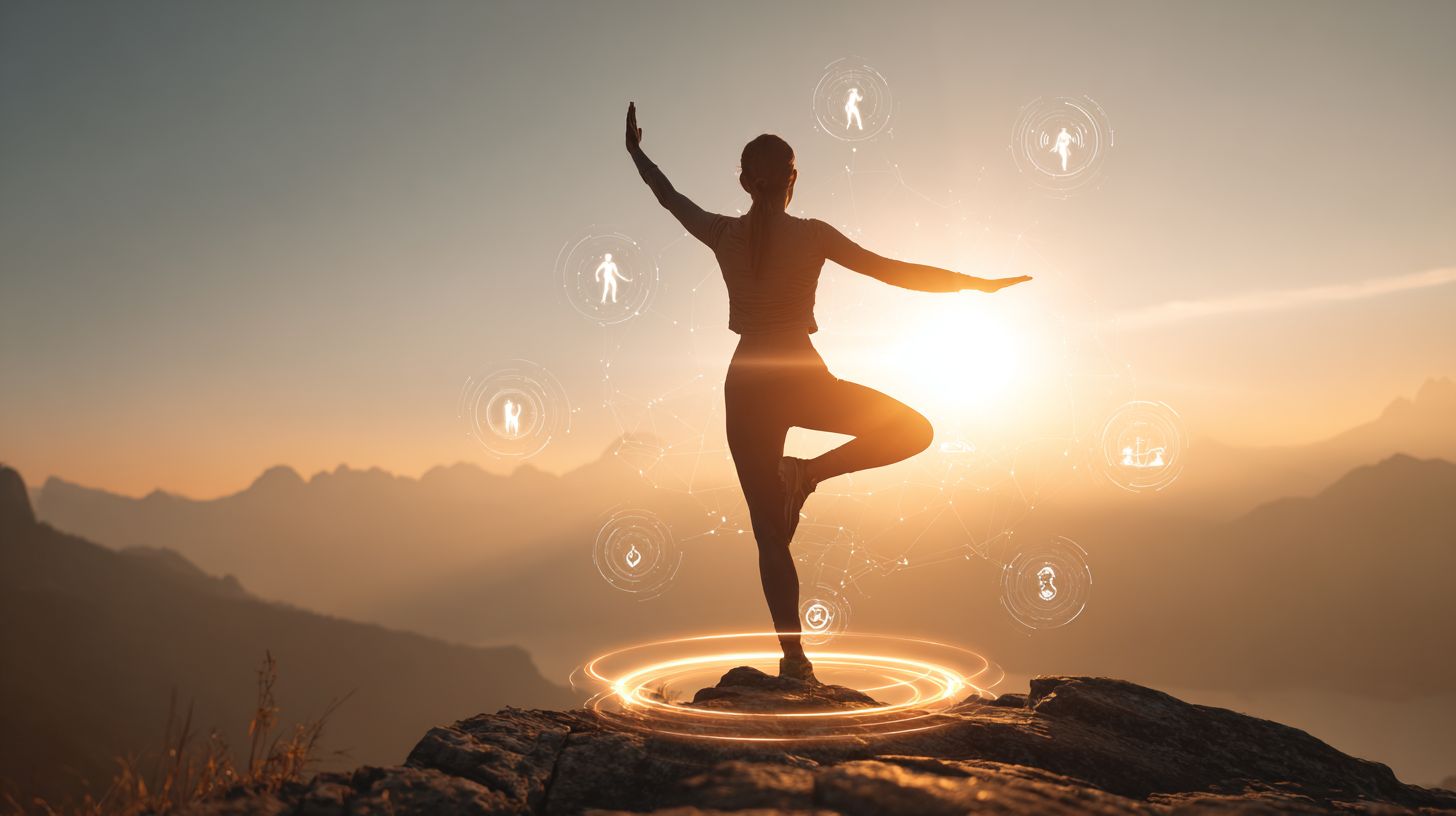
Beyond the stretch: sun salutations activate 12 major energy pathways in under 5 minutes. This sequence of yoga poses links breath with movement to boost energy levels. It serves as a quick morning routine for sustained vitality.
Neuroscience shows vagus nerve stimulation during sun salutations calms the nervous system and reduces fatigue. Research suggests this practice promotes BDNF release, supporting brain health and focus. Pair it with deep breathing for optimal endorphin release and mood lift.
Muscle activation targets the core, legs, arms, and back in a full-body map. The breath-to-movement ratio of 1:1 ensures peak oxygenation, enhancing blood circulation and ATP production. Flow through 5-10 rounds to build stamina and combat afternoon slump.
- Start in mountain pose, inhale arms up.
- Exhale forward fold, inhale half lift.
- Exhale plank to chaturanga, inhale upward dog.
- Exhale downward dog, step forward, rise.
Practice daily as a bodyweight exercise for flexibility training and cardiovascular health. Combine with pranayama like 4-7-8 breathing for deeper oxygen intake and cortisol reduction. Track energy in a journal to refine your routine.
8. Plank Holds
Get 24-hour energy carryover with these 90-second modifications. Plank holds build core strength without equipment, targeting fatigue reduction through sustained muscle engagement. They boost blood circulation and oxygen intake for natural energy.
These bodyweight exercises fit any morning routine or afternoon slump fix. Hold each variation to enhance stamina and endorphin release. Experts recommend them for daily habits in your 2026 guide to vitality.
Start with basic planks, then progress to variations for progressive overload. Pair with deep breathing for cortisol reduction and sustained energy. Feel the difference in your exercise routine after consistent practice.
Forearm Plank
Drop to your forearms and toes for the forearm plank, keeping a straight line from head to heels. Hold for 30 seconds, breathing steadily to fire up core muscles. This fights fatigue by improving mitochondrial function and ATP production.
Rest 15 seconds, repeat three times. It strengthens the entire core for better posture and energy levels. Add to your daily exercises for quick stamina enhancement.
Side Plank
Lift into a side plank on one forearm, stacking feet and raising hips. Hold 20 seconds per side, engaging obliques for balance. This variation boosts metabolic rate and hormone balance.
Switch sides, repeat for balance in your workout. It reduces chronic fatigue by enhancing endurance building. Perfect for beginner exercises in your fitness tips.
Standard Plank
From hands and toes, maintain a standard plank with shoulders over wrists. Hold 40 seconds, squeezing glutes and abs. This core strengthening move increases blood circulation for peak performance.
Build up holds over time for advanced routines. It supports adrenal health and dopamine increase. Integrate into your wellness guide for morning energy.
Elevated Plank
Place hands on a sturdy surface for an elevated plank, easing wrist pressure. Hold 30 seconds while keeping body aligned. Ideal for beginners seeking low energy remedies.
This modifies intensity for recovery techniques, promoting muscle repair. Repeat sets daily for flexibility training benefits. Enhances your exercise benefits without strain.
Plank with Shoulder Taps
In plank position, tap opposite shoulder alternately for plank with shoulder taps. Do for 20 seconds, stabilizing core against movement. This adds challenge for cardiovascular health and oxygen intake.
Focus on control to maximize endorphin release. Great for HIIT workout elements in your stamina tips. Finish your plank series with this for vitality boost.
9. Dancing to Your Favorite Music
Dance won’t cure everything-but it sure feels like it does. This daily exercise busts the myth that dancing isn’t real exercise. Research suggests it burns 6-8 METs according to ACSM guidelines, matching moderate aerobic activity for energy boost.
Rhythm in music syncs your movements, enhancing oxygen intake and endorphin release. Your body taps into mitochondrial function for ATP production, reducing fatigue. Experts recommend it as a fun way to increase stamina enhancement without gym boredom.
Curate a playlist for dopamine synergy with upbeat tracks like classic rock or pop hits. Start with 10 minutes in your morning routine, building to 20-30 for sustained energy. This vitality boost combats afternoon slump through natural circadian rhythm support.
- Pick songs with 120-140 BPM for optimal heart rate.
- Move freely: hip shakes, spins, or freestyle jumps.
- Add intervals for HIIT workout effect, alternating fast and slow.
- Track mood in an energy journal to refine your routine.
How Do These Exercises Boost Energy?
These 9 movements work through interconnected biological pathways science proves elevate daily vitality. They enhance ATP production, improve oxygenation, and trigger endorphin release for sustained energy.
Picture a pathway map: Start with mitochondrial function from strength training like squats and push-ups. Flow to oxygenation via aerobic exercise such as power walking and cycling.
Branch into hormone balance with yoga poses and deep breathing, reducing cortisol for fatigue reduction. End with stamina enhancement from HIIT like burpees and high knees, building endurance.
This map previews subheadings on ATP science and oxygenation, connecting all to your morning routine or daily exercise routine for peak performance in the 2026 guide.
What’s the science behind movement and ATP production?
Every muscle contraction triggers ATP synthase activation, powering cells for hours per Journal of Physiology research. This process ramps up mitochondrial biogenesis, where cells produce more energy factories.
Take jumping jacks or planks: They demand quick ATP bursts, training mitochondria to multiply. Over time, this boosts natural energy during daily tasks like climbing stairs.
Strength training such as push-ups and squats depletes glycogen stores, then refills them efficiently. Research suggests this leads to better sustained energy, combating afternoon slump.
Incorporate bodyweight exercises daily for progressive overload. Pair with nutrition advice like protein intake to support muscle repair and ATP production for vitality boost.
How does oxygenation from exercise combat fatigue?
Poor oxygen delivery creates the vicious fatigue cycle, but strategic movement breaks it. Think of your body as an engine: Oxygen acts as fuel for efficient burning.
Exercises like jogging routine and cycling workout trigger the Bohr effect, where carbon dioxide release helps hemoglobin unload oxygen to tissues. Capillaries dilate, increasing blood flow.
Before power walking, oxygen saturation lags in fatigued muscles. After, it surges, flushing lactic acid for stamina enhancement. High knees and mountain climbers amplify this quickly.
Visualize before/after: Sluggish cells get a fresh supply, mimicking an engine tune-up. Add breathwork exercises like 4-7-8 breathing post-workout for ongoing oxygen intake and chronic fatigue relief.
Why Incorporate Them Daily in 2026?

2026 marks the year wearable data proves daily micro-movements outperform occasional intense workouts. Fitness trackers and smartwatches now capture real-time metrics on energy levels and recovery, showing consistent habits like power walking or jumping jacks sustain vitality better than sporadic gym sessions.
WHO physical activity guidelines continue to evolve, emphasizing frequent micro-exercises for all ages. Emerging longevity research highlights how daily practices, such as yoga poses or deep breathing, support circadian optimization and adrenal health.
Habit stacking fits these exercises into your morning routine or afternoon slump breaks. Pair planks with coffee brewing or high knees during calls to build stamina without overhaul.
This 2026 guide to daily exercises boosts natural energy through better blood circulation and endorphin release. Track progress with heart rate variability on wearables for peak performance and fatigue reduction.
What role does consistency play in mitochondrial health?
Daily practice doesn’t just maintain mitochondria, it multiplies them via PGC-1 activation. This protein ramps up during regular aerobic exercise like jogging routines or cycling workouts, enhancing ATP production for sustained energy.
Research suggests consistent bodyweight exercises, such as squats or push-ups, outperform sporadic efforts in supporting mitochondrial function. Daily micro-movements improve oxygen intake and glycogen stores, reducing chronic fatigue over time.
Compare a routine of morning mountain climbers and evening stretching exercises to weekend warriors. The daily approach fosters metabolic boost and hormone balance, including cortisol reduction and dopamine increase.
Experts recommend stacking these with breathwork exercises like 4-7-8 breathing for mitochondrial support. Monitor via fitness trackers to see gains in VO2 max and endurance building.
Quick Start Tips for Maximum Results
Compress 9 exercises into 15 minutes without sacrificing energy gains using this blueprint. This daily sequence pairs dynamic moves like jumping jacks and high knees with strength builders such as push-ups and squats for a balanced morning routine.
Start with deep breathing to prime oxygen intake, flow into aerobic bursts like power walking or cycling workout segments, then hit core strengthening with planks and mountain climbers. End with flexibility training via stretching exercises or yoga poses to enhance recovery and stamina enhancement.
- Minute 1-2: Deep breathing and jumping jacks for endorphin release.
- Minute 3-5: High knees, burpees, push-ups for HIIT workout intensity.
- Minute 6-10: Squats, planks, mountain climbers for bodyweight exercises.
- Minute 11-13: Power walking or jogging routine in place.
- Minute 14-15: Tai chi or pilates moves, followed by hydration tips.
Follow this printable daily sequence as a progression calendar: Week 1 focuses on form, Week 2 adds reps for progressive overload, Week 3 incorporates resistance bands. Track with a simple template preview: note energy levels pre- and post-session in an energy journal to monitor fatigue reduction.
How long should each session last?
Quality beats duration: 8-15 minutes daily trumps 45-minute sporadic sessions. Short, consistent physical activity boosts metabolic function and ATP production without overwhelming adrenal support, fitting easily into your morning energy routine.
For beginners, aim for 8 minutes with low-impact options like walking and gentle yoga poses. Intermediates build to 12 minutes by adding interval training, while advanced users hit 15 minutes with full HIIT including burpees and sprints. Pair with HRV-guided personalization using fitness trackers to adjust based on recovery.
- Beginner template: 4 bodyweight exercises, 30 seconds each, with breathwork breaks.
- Intermediate template: 6 exercises, 45-60 seconds, include one strength set.
- Advanced template: All 9 in circuit, 1 minute each, end with active recovery like foam rolling.
Experts recommend aligning with ACSM position stand on exercise dosing for cardiovascular health. Integrate wearables for heart rate variability tracking, tweak sessions around circadian rhythm, and combine with sleep optimization for sustained energy and cortisol reduction.
Frequently Asked Questions
What are the 9 Daily Exercises That Will Increase Your Energy Levels (Guide 2026)?
The 9 Daily Exercises That Will Increase Your Energy Levels (Guide 2026) include a mix of physical, breathing, and mindfulness activities designed for daily practice: 1) Morning Sun Salutations, 2) Power Walking, 3) Deep Breathing Drills, 4) Jumping Jacks, 5) Plank Holds, 6) Yoga Warrior Poses, 7) High Knees, 8) Arm Circles with Weights, and 9) Evening Stretches. Follow the guide for timed routines to boost vitality.
How do the 9 Daily Exercises That Will Increase Your Energy Levels (Guide 2026) work?
These 9 Daily Exercises That Will Increase Your Energy Levels (Guide 2026) enhance mitochondrial function, improve circulation, and reduce stress hormones like cortisol. By incorporating cardio, strength, and flexibility moves, they optimize oxygen flow and endorphin release, leading to sustained energy throughout the day as outlined in the 2026 guide.
Do I need equipment for the 9 Daily Exercises That Will Increase Your Energy Levels (Guide 2026)?
No special equipment is required for most of the 9 Daily Exercises That Will Increase Your Energy Levels (Guide 2026). Basic items like light dumbbells or a yoga mat are optional for exercises like arm circles. The guide emphasizes bodyweight movements accessible anywhere, making it ideal for beginners in 2026.
How long should I do the 9 Daily Exercises That Will Increase Your Energy Levels (Guide 2026) each day?
The 9 Daily Exercises That Will Increase Your Energy Levels (Guide 2026) are structured for 20-30 minutes total per day. Each exercise lasts 1-5 minutes, with the guide providing timers and progressions to fit busy schedules while delivering noticeable energy boosts within a week.
Can beginners follow the 9 Daily Exercises That Will Increase Your Energy Levels (Guide 2026)?
Yes, the 9 Daily Exercises That Will Increase Your Energy Levels (Guide 2026) are beginner-friendly with modifications for all fitness levels. The guide includes step-by-step instructions, video links, and scaling options to build energy safely without overwhelming newcomers.
What results can I expect from the 9 Daily Exercises That Will Increase Your Energy Levels (Guide 2026)?
Practicing the 9 Daily Exercises That Will Increase Your Energy Levels (Guide 2026) consistently can lead to 20-50% higher daily energy, better sleep, improved mood, and reduced fatigue. Users report peak performance in 2-4 weeks, backed by the guide’s science-based protocols for 2026 lifestyles.