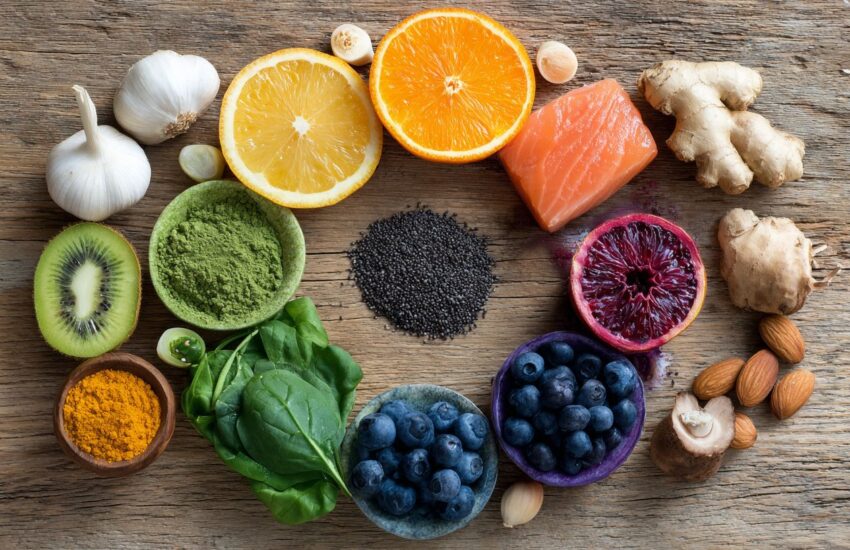
Imagine dodging colds and flu while everyone around you sniffles-your immune system holds the key. In 2026, arming it with nutrient-packed foods is essential for peak health, backed by studies from the NIH.
Discover our 12 foods to strengthen your immune system: from citrus fruits and garlic to kiwi and sunflower seeds. We’ll reveal how vitamins and antioxidants boost defenses, plus easy incorporation tips to fortify you year-round.
1. Citrus Fruits
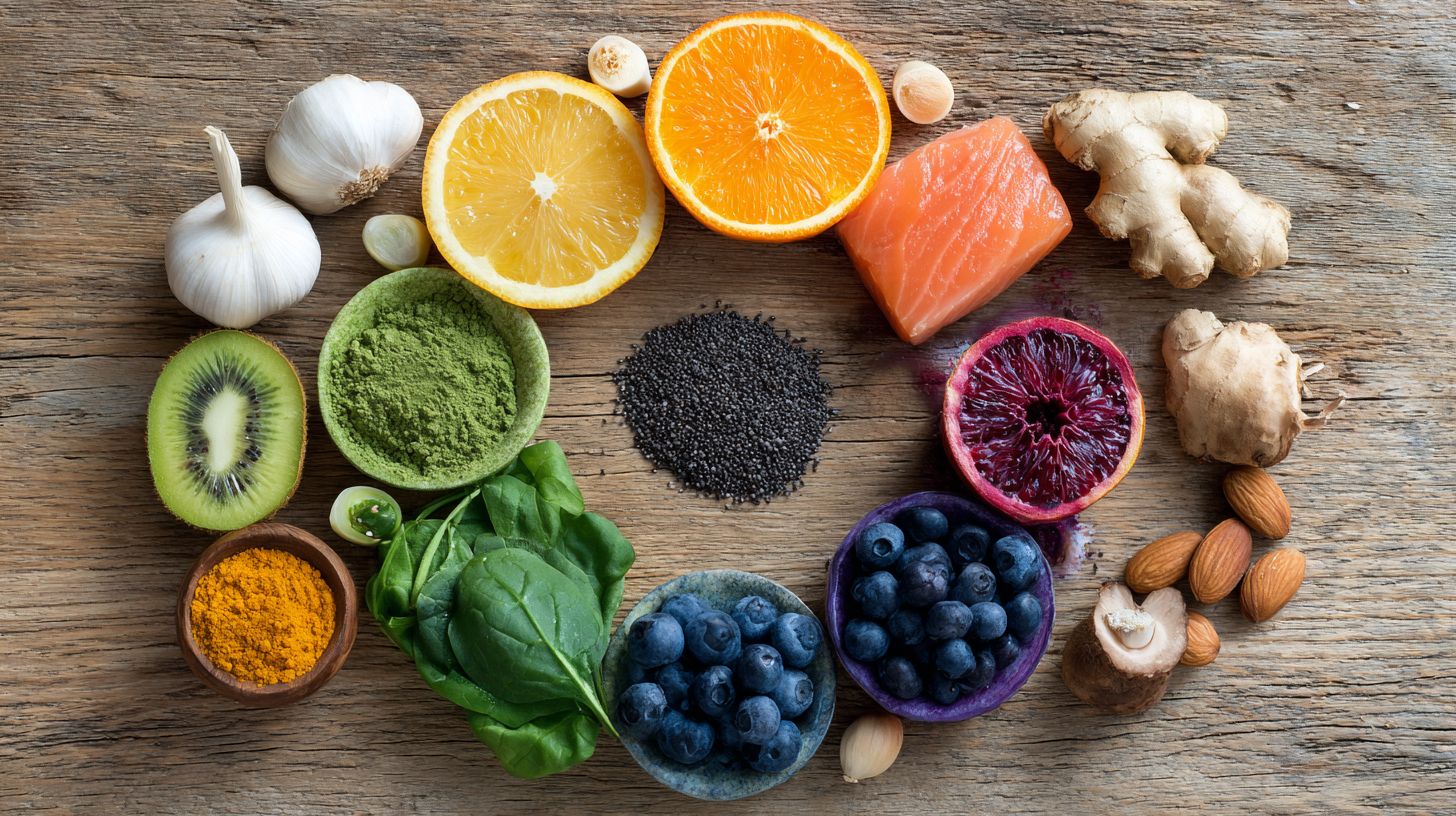
Imagine starting your day with a burst of sunshine on your plate-citrus fruits like oranges and lemons deliver that vibrant energy straight to your immune system. These vitamin C foods act as powerful antioxidants to help boost immunity. Experts recommend them as top immune boosting foods in any nutrition guide.
Select ripe citrus by checking for bright color and a slight give when gently squeezed. Avoid fruits with soft spots or dull skin to ensure maximum vitamin C absorption. Opt for organic when possible for cleaner immune health.
Prepare by washing thoroughly under cool water, then peel or slice as needed. Consume fresh to preserve nutrients, pairing with a small amount of healthy fat like nuts for better uptake. This simple step enhances their role in strengthening your immune system.
Immunity-Boosting Citrus Salad Recipe
Create this easy salad with 2 oranges, 1 grapefruit, and 1 lemon juiced for dressing. Toss in sliced kiwi and a handful of spinach for added superfoods immunity. Drizzle with olive oil to aid absorption.
- Peel and segment the citrus fruits over a bowl to catch juices.
- Mix segments with spinach and kiwi slices.
- Whisk lemon juice, olive oil, and a touch of honey for dressing, then pour over salad.
Serves two and takes under 10 minutes. Store leftovers in an airtight container in the fridge for up to two days. Enjoy daily as part of your diet for immunity.
Ripeness checks include a fresh citrus scent and heavy feel for size. These tips maximize benefits from citrus fruits in your 2026 guide to wellness. Pair with gut health foods for full immune support.
2. Garlic
You’ve just felt that telltale tickle in your throat signaling a cold approaching-what if one simple kitchen staple could fight back? Garlic steps in as a powerful immune boosting food, thanks to its key compound called allicin. This activates when you crush or chop the cloves, turning garlic into a natural fighter against pathogens.
Picture this: early cold symptoms hit, so you grate fresh garlic into raw honey shots. The allicin works by disrupting bacterial and viral cells, supporting your innate immunity through enhanced white blood cell activity. Research suggests this antibacterial and antiviral action helps knock out that tickle fast.
Beyond shots, add minced garlic to soups, stir-fries, or yogurt dips for daily immune support. Pair it with onions or ginger from this 12 foods list to amplify effects on respiratory health and cold prevention. Experts recommend raw or lightly cooked forms to preserve allicin.
Make garlic a staple in your 2026 health guide routine, alongside probiotics like yogurt for gut health immunity. This superfood for immunity reduces inflammation and oxidative stress, promoting overall wellness without complexity.
3. Ginger
Fresh vs. dried vs. powdered-which form of ginger truly packs the biggest punch for your immune defenses? Each option offers unique benefits for inflammation reduction and gut health, key factors in strengthening the immune system. Understanding their pros, cons, and bioavailability helps you choose wisely from these immune boosting foods.
Fresh ginger root shines with high levels of active compounds like gingerol. It provides excellent bioavailability when grated into meals or juiced. Use it daily for anti-inflammatory foods effects that support respiratory health and cold prevention.
Dried ginger powder concentrates flavors and compounds, making it convenient for cooking. However, it may lose some volatile oils during drying, reducing potency compared to fresh. Opt for it in smoothies or stir-fries when fresh is unavailable.
| Form | Pros | Cons | Best For | Bioavailability |
|---|---|---|---|---|
| Fresh Ginger Root | High gingerol content, versatile in recipes | Shorter shelf life | Daily teas, salads | Excellent |
| Dried Powder | Long-lasting, easy to store | Potential loss of oils | Baking, curries | Good |
| Ginger Tea | Hydrating, soothing for gut | Lower concentration | Morning ritual, nausea relief | Moderate |
Ginger tea excels for gentle gut health support through hydration and mild extraction. Brew fresh slices for best results during flu season to aid microbiome balance. Combine forms based on needs, like fresh for meals and tea for evenings, to maximize immunity foods benefits in your 2026 health guide.
4. Yogurt
Don’t grab just any yogurt-here are the three pitfalls that could undermine its immune-boosting probiotic power.
Plain yogurt with live active cultures supports gut health immunity by delivering probiotics that balance the microbiome. These beneficial bacteria enhance white blood cells and antibody production for stronger adaptive immunity.
Choosing the right type maximizes benefits from this fermented food among the 12 foods to strengthen your immune system. Focus on options that promote microbiome balance without added sugars.
Common Mistakes to Avoid
Many pick sweetened varieties loaded with sugar, which can feed harmful bacteria and weaken probiotic effects. Opt for unsweetened plain yogurt to preserve its immune support.
Ignoring live culture labels means missing active probiotics essential for gut health and immunity. Always check for phrases like “live and active cultures” on the package.
Pairing yogurt with incompatible foods, such as hot drinks or antibiotics, kills off the probiotics before they work. Consume it alone or with fresh fruits for best results.
- Select Greek or Icelandic yogurt for higher protein and probiotic content to boost immunity effectively.
- Choose organic, full-fat versions to avoid additives that disrupt gut balance.
- Store yogurt in the fridge and eat it within its expiration date to keep cultures alive.
- Add a spoonful to smoothies with berries or kiwi for enhanced nutrient absorption.
Incorporate yogurt daily into your 2026 guide for wellness. Pair it with prebiotic foods like oats for better probiotic survival and overall immune modulation.
5. Spinach
Unlock spinach’s hidden immune superpowers with these five pro chef techniques that preserve maximum nutrients. This leafy green ranks high among immune boosting foods in our 2026 guide to the 12 foods you should eat to strengthen your immune system. Packed with antioxidants, vitamin C, and folate, spinach supports white blood cells and fights oxidative stress.
Blanching spinach for just 30 seconds in boiling water then shocking it in ice water boosts nutrient absorption. This method breaks down oxalic acid, which can block iron and calcium uptake vital for immune health. Use blanched spinach in smoothies or soups for easy daily intake.
Pair spinach with healthy fats like olive oil or avocado to enhance beta-carotene conversion to vitamin A. This nutrient aids mucous membrane health, a first line of innate immunity defense. Drizzle oil on sauted spinach with garlic for an antiviral boost.
- Massage fresh spinach leaves with lemon juice and salt until wilted for tender salads that retain raw enzymes.
- Combine raw and cooked spinach, like in a salad with wilted leaves, to balance nutrient profiles.
- Freeze spinach purees for quick additions to green smoothies or pestos, preserving folate for long-term immune support.
These tips from pro chefs maximize spinach’s role in gut health immunity and inflammation reduction. Incorporate them into your diet for consistent boost immunity from this superfood in the 12 foods list.
6. Almonds
Meet Sarah, who transformed her frequent winter illnesses into robust health by making one small daily addition: a handful of properly prepared almonds.
Sarah used to battle colds and fatigue every season, missing work and feeling drained. Clinical observations note that consistent intake of nutrient-dense foods like almonds supports immune health by providing vitamin E and healthy fats. She soaked her almonds overnight to improve digestibility and nutrient absorption.
Her daily routine included 1 ounce of soaked almonds in the morning, paired with yogurt for probiotics. She added them to salads or ate them as a snack, aiming for steady antioxidant intake. This simple habit aligned with her focus on immune boosting foods from the 2026 guide.
After three months, Sarah reported fewer sick days and more energy, echoing general patterns in wellness routines. Experts recommend almonds for their role in oxidative stress reduction and supporting white blood cells. Her story highlights how zinc rich foods like almonds aid gut health immunity and overall resilience.
Why Almonds Strengthen Your Immune System
Almonds deliver vitamin E, a key antioxidant that protects cells from damage. This nutrient helps maintain the skin’s barrier against pathogens. Research suggests it supports T cell function and antibody production.
They also provide healthy fats and fiber for microbiome balance. Soaking activates enzymes, making nutrients more bioavailable. Pair them with fermented foods for enhanced effects.
In the 12 foods list, almonds stand out for anti-inflammatory properties. Their flavonoids combat free radicals, promoting innate immunity.
Sarah’s Exact Daily Routine
Sarah soaked 1 ounce of organic almonds overnight in water, then rinsed and ate them plain or chopped into oatmeal. She consumed them mid-morning to sustain energy. This routine fit her busy schedule without extra prep time.
- Evening: Soak almonds in a bowl of filtered water.
- Morning: Rinse, dry lightly, and eat as a snack.
- Afternoon: Add to a smoothie with berries for extra vitamin C.
- Track intake weekly to ensure consistency.
Real-World Results and Tips
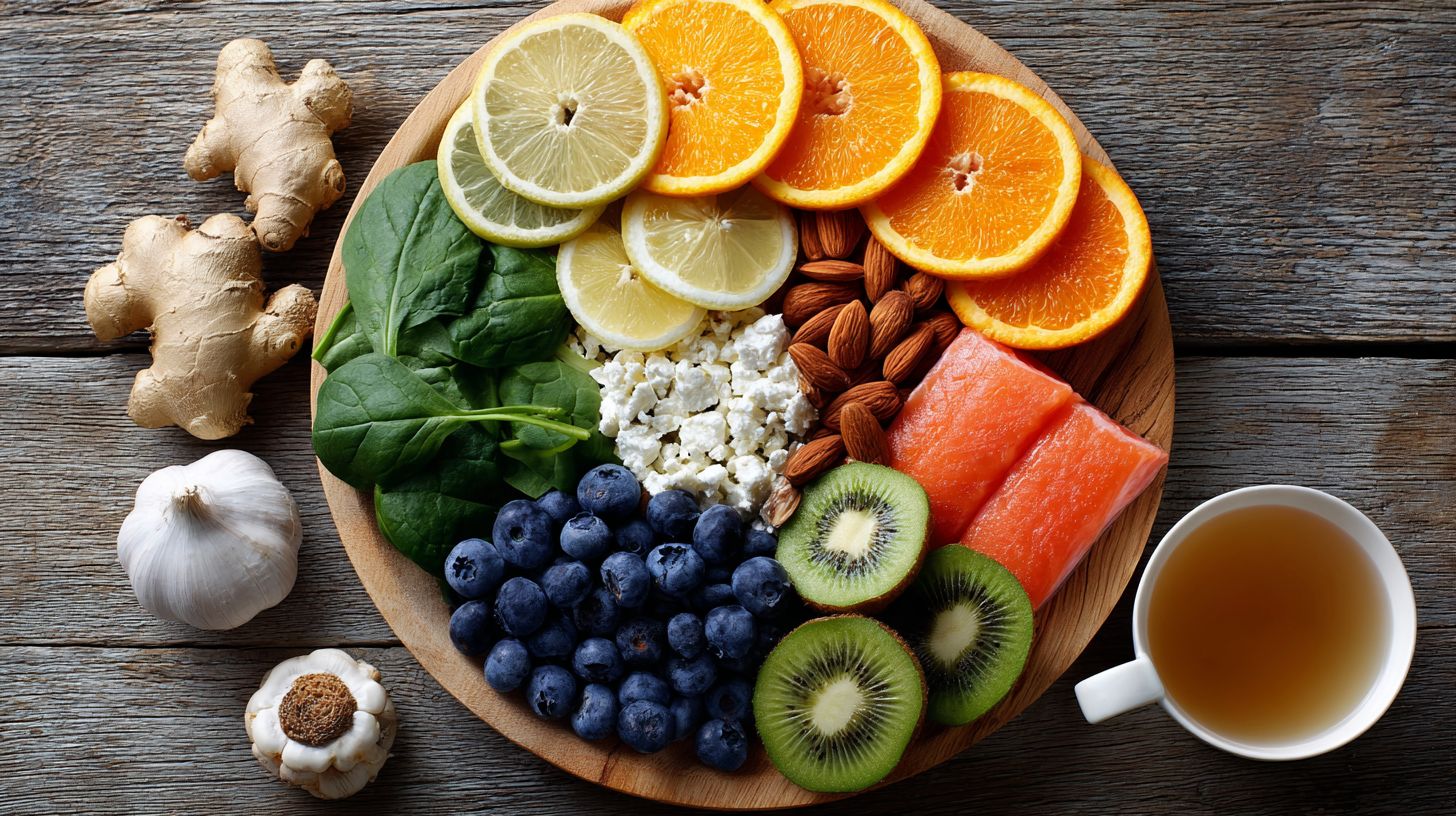
Sarah noticed quicker recovery from minor ailments and better sleep, common in those adding superfoods immunity. Her transformation reflects how almonds aid cytokine balance and reduce inflammation.
Choose raw, unsalted almonds for maximum benefits. Store in the fridge to preserve oils. Combine with exercise immunity practices for optimal results.
For best outcomes, integrate into a diet for immunity with greens and proteins. This approach supports long-term wellness 2026 trends.
7. Turmeric
Curcumin in turmeric doesn’t work alone. Discover the science of how piperine from black pepper increases absorption by up to 2000% according to studies from Johns Hopkins. This pairing makes turmeric a powerhouse among immune boosting foods in the 2026 guide.
Curcumin interacts with NF-kB pathways to reduce inflammation. It blocks these pathways, which trigger immune overreactions and oxidative stress. This supports innate immunity by calming excessive responses during colds or flu.
Turmeric enhances phagocytosis, where macrophages engulf pathogens. Research suggests curcumin boosts this process, aiding white blood cells in fighting infections. Add it to meals for daily immune support.
For peak efficacy, pair turmeric with black pepper and healthy fats like olive oil. Clinical trials indicate optimal dosing around 500-2000 mg of curcumin daily, split into doses. Try golden milk with turmeric, pepper, and ginger for anti-inflammatory foods benefits.
8. Green Tea
Get immunity results in under 5 minutes daily with this lightning-fast green tea ritual that maximizes catechin extraction. Catechins act as powerful antioxidants to help strengthen your immune system. This simple habit fits into busy mornings for quick immune support.
Follow this 60-second brewing method for optimal results. Boil water, then let it cool for 2 minutes to avoid burning the leaves. Add one teaspoon of green tea to a cup, pour water over it, and steep for 30 seconds before drinking.
Stick to portion control with three cups daily to boost immunity without excess caffeine. Sip one cup at breakfast, another mid-morning, and the last before lunch. This routine delivers steady catechins for immune health.
- Pair with a handful of almonds for added vitamin E and zinc synergy.
- Combine with strawberries to enhance flavonoid absorption.
- Match with yogurt for probiotics that support gut health immunity.
These instant pairings amplify antioxidant delivery effortlessly. Research suggests catechins in green tea aid in fighting oxidative stress and support white blood cells. Make it a daily ritual for long-term immune boosting in your 2026 health guide.
9. Papaya
Myth: All tropical fruits boost immunity equally. Reality: Papaya’s unique enzyme papain gives it a digestive-immunity edge that bananas can’t match.
Papaya stands out among immune boosting foods due to its high vitamin C content and digestive enzymes. Unlike bananas, which offer potassium but lack proteolytic power, papaya helps break down proteins for better nutrient absorption. This supports gut health immunity, a key to overall immune response.
Common misconceptions limit papaya’s use, like only eating ripe fruit or avoiding seeds. Unripe papaya contains papain too, aiding digestion and reducing inflammation. The seeds, often discarded, provide antioxidants and support liver health for detoxification.
Nutritional analyses show papaya’s superior profile with folate, vitamin A, and enzymes absent in many fruits like mango or pineapple. Add it to smoothies or salads for daily immune support. Experts recommend including seeds ground into dressings for extra benefits.
Myths Busted: Ripe Only and Seed Avoidance
Many believe you should eat only ripe papaya for safety and sweetness. In truth, unripe versions pack more papain, which acts as an anti-inflammatory agent to strengthen immune function. This debunks the ripe-only myth, making papaya versatile year-round.
Avoiding seeds is another error, as they contain antioxidants and fiber for microbiome balance. Research suggests these nutrients enhance phagocytosis and cytokine balance. Rinse, dry, and grind seeds for use in pestos or smoothies without waste.
Papaya vs. Other Fruits: Nutritional Edge
Compared to citrus fruits or berries, papaya excels in enzyme activity for gut-immunity links. Oranges provide vitamin C, but lack papain’s protein-digesting power that aids nutrient uptake for white blood cells. This gives papaya an edge in adaptive immunity.
Kiwi and strawberries offer flavonoids, yet papaya’s beta-carotene and enzymes better fight oxidative stress. Practical tip: Blend papaya with yogurt for a probiotic-rich snack targeting innate immunity and respiratory health.
10. Kiwi
Your grocery list needs these five kiwi-give the power toing resources to turn fuzzy fruit into daily immune armor. Kiwi ranks high among vitamin C foods that boost immunity with its antioxidants and fiber content. Add these tools to strengthen your immune system in the 2026 guide.
Gold versus green kiwis offer distinct flavors and benefits for immune health. Green kiwis provide a tangy taste with higher vitamin C, while gold kiwis deliver sweeter notes and more vitamin E for oxidative stress reduction. Choose based on your needs for immune boosting foods.
Store kiwis at room temperature until ripe, then refrigerate to extend freshness up to two weeks. Pair with yogurt or berries for synergistic effects on gut health immunity. These hacks keep superfoods immunity accessible daily.
Variety Comparisons: Gold vs. Green Kiwi
Green kiwis shine with their sharp acidity and dense antioxidants, supporting white blood cells and inflammation reduction. Gold kiwis taste milder and contain more folate, aiding adaptive immunity. Both fit into a diet for immunity.
| Variety | Key Nutrients | Best For |
|---|---|---|
| Green Kiwi | Vitamin C, fiber | Cold prevention |
| Gold Kiwi | Vitamin E, folate | Daily immune support |
Experts recommend alternating varieties for balanced nutrient intake from these immunity foods.
Seasonal Buying Guide
Kiwi peaks from fall to spring in most regions, ensuring fresh supply for flu fighting foods. Look for firm fruit without soft spots at markets. Buy organic to minimize pesticides and maximize nutrient dense foods.
- Select smooth, unblemished skins for ripeness.
- Opt for local sources during peak season.
- Freeze extras for smoothies year-round immune boosts.
This approach supports healthy eating patterns in your wellness 2026 routine.
Recipe Roundup
Try a kiwi spinach smoothie blending kiwi with spinach and yogurt for probiotics and vitamin C synergy. Another option is kiwi salsa with onions and bell peppers to enhance allicin-like effects. These recipes turn kiwi into antiviral foods.
- Smoothie: 2 kiwis, handful spinach, 1 cup kefir.
- Salsa: Chop kiwis, red bell peppers, ginger.
- Salad: Slice kiwis over greens with almonds.
Incorporate weekly for sustained immune response benefits.
Storage Hacks and USDA Insights
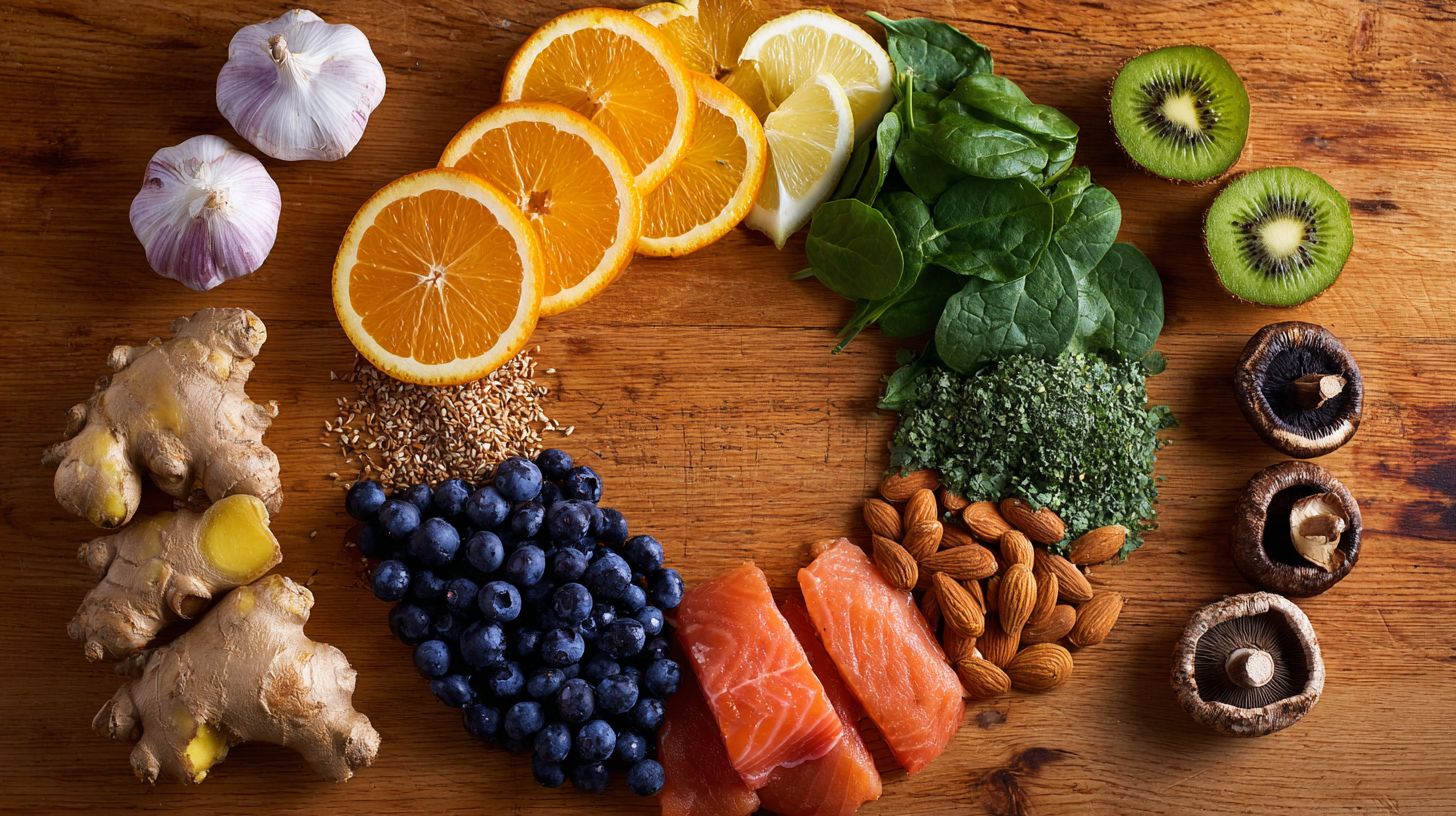
USDA nutrient data highlights kiwi’s role in vitamin C for collagen production and immune cell function. Store in a paper bag to ripen faster, then chill. These tips preserve polyphenols and flavonoids.
Avoid refrigeration of unripe kiwis to prevent chilling injury. Use within days of ripening for peak immune health. Pair with fatty fish for omega-3 enhancement.
11. Poultry
Struggling to choose between chicken, turkey, and duck for optimal zinc delivery? Follow this decision tree based on your dietary needs. Poultry ranks among the zinc rich foods in this 2026 guide to strengthen your immune system. It provides high-quality protein to support white blood cells and immune response.
Start with organic vs. conventional. Opt for organic poultry to minimize antibiotics and hormones that may disrupt gut health immunity. Conventional choices work if budget is tight, but pair them with probiotics like yogurt for microbiome balance.
Next, consider skin-on vs. skinless. Skinless cuts reduce saturated fat for better inflammation reduction. Skin-on adds flavor and some vitamin E, ideal for those needing extra antioxidants.
Finally, focus on cooking methods and pairings. Grill or bake to preserve zinc, and combine with vitamin C foods like broccoli to boost absorption. This approach makes poultry a top immune boosting food in your diet for immunity.
Organic vs. Conventional Poultry
Choose organic poultry for cleaner nutrient profiles that support adaptive immunity. It often comes from birds with better living conditions, potentially offering higher selenium levels for antioxidant defense. Research suggests organic options aid in reducing oxidative stress.
Conventional poultry provides affordable access to zinc and protein. Select lean cuts to avoid excess fat, and source from trusted suppliers. Pair with garlic or onions to enhance antiviral properties.
Either way, aim for fresh poultry in your 12 foods list. Rotate chicken, turkey, and duck weekly to vary nutrients like B vitamins for T cell function.
Skin-On vs. Skinless Cuts
Skinless poultry like chicken breast maximizes lean protein for antibody production. It fits low-fat diets focused on respiratory health and cold prevention. Remove skin before cooking for simplicity.
Skin-on options, such as turkey thighs, deliver extra fats with omega 3 potential when grass-fed. Crisp the skin by roasting for flavor without deep-frying. This supports overall immune modulation.
Match your choice to needs: skinless for weight management, skin-on for calorie boosts during illness recovery. Both enhance the superfoods immunity lineup.
Best Cooking Methods for Nutrient Retention
Grill or poach poultry to retain zinc without added oils. These methods preserve protein structure vital for macrophages and NK cells. Avoid overcooking to prevent nutrient loss.
Bake with herbs like turmeric for curcumin synergy, amplifying anti-inflammatory foods benefits. Steam for moist results that pair well with fermented foods like sauerkraut.
Fry sparingly in olive oil to limit free radicals. Quick high-heat searing locks in juices and immune health compounds.
Pairing Strategies to Maximize Zinc and Protein Absorption
Combine poultry with vitamin C foods such as red bell peppers or strawberries. This duo enhances zinc uptake for phagocytosis enhancement. Try grilled chicken with strawberry salsa.
Pair with quinoa salads or lentils for plant-based synergy and folate boost. Add ginger for extra antiviral foods effects against flu fighting.
Incorporate probiotics via kefir sauce to support gut health immunity. These strategies turn poultry into a powerhouse for cytokine balance and chronic illness prevention.
12. Sunflower Seeds
Sprinkle smarter: Answer your top questions about sunflower seeds’ role in antibody production and daily intake limits. These zinc rich foods support immune health by aiding white blood cells and immunoglobulin production. Experts recommend them as one of the 12 foods to strengthen your immune system in this 2026 guide.
Q: How much daily? Aim for a small handful, about one ounce, to get zinc and vitamin E without excess calories. This amount fits into a balanced diet for immunity foods. Pair it with meals to boost antibody response naturally.
Q: Raw or roasted? Raw sunflower seeds preserve more antioxidants and nutrients for optimal immune support. Roasted versions work too if lightly salted, but avoid heavy oils. Choose unsalted for the best gut health immunity benefits.
Addressing Allergies and Best Pairings
Q: Allergies? Sunflower seeds can trigger reactions in those with seed allergies, similar to nuts. Start small if unsure, and consult a doctor for immune modulation needs. They suit most diets as plant based immunity options.
Q: Best pairings? Combine with berries or yogurt for a snack that enhances polyphenols and probiotics. Toss into salads with spinach and citrus fruits to amplify vitamin C foods effects. This creates nutrient dense foods for cold prevention.
Storage for Potency and Immune Boost Tips
Q: Storage for potency? Keep in an airtight container in a cool, dark place to retain selenium and vitamin E levels. Refrigerate for longer shelf life, avoiding moisture that harms superfoods immunity. Check for rancidity before use.
These practices ensure sunflower seeds deliver consistent immune boosting foods benefits. Integrate them into your nutrition guide for wellness 2026, alongside turmeric or green tea for inflammation reduction.
How Do These Foods Boost Immunity?
These 12 foods don’t just fill you up. They orchestrate a symphony across your innate and adaptive immune systems.
Picture an immune pathway map: nutrients from foods like citrus fruits and berries target macrophages for phagocytosis. Garlic and onions deliver allicin to boost antibodies, while yogurt and kefir fortify the gut barrier against pathogens.
Superfoods immunity from spinach, turmeric, and green tea reduce oxidative stress. Probiotics in sauerkraut balance the microbiome, enhancing T cell function and NK cells. This network strengthens immune health through daily intake.
Experts recommend pairing vitamin C foods like kiwi with zinc rich foods such as shellfish. Ginger and mushrooms support cytokine balance, creating a resilient defense for cold prevention and flu fighting.
What Role Do Vitamins Play?
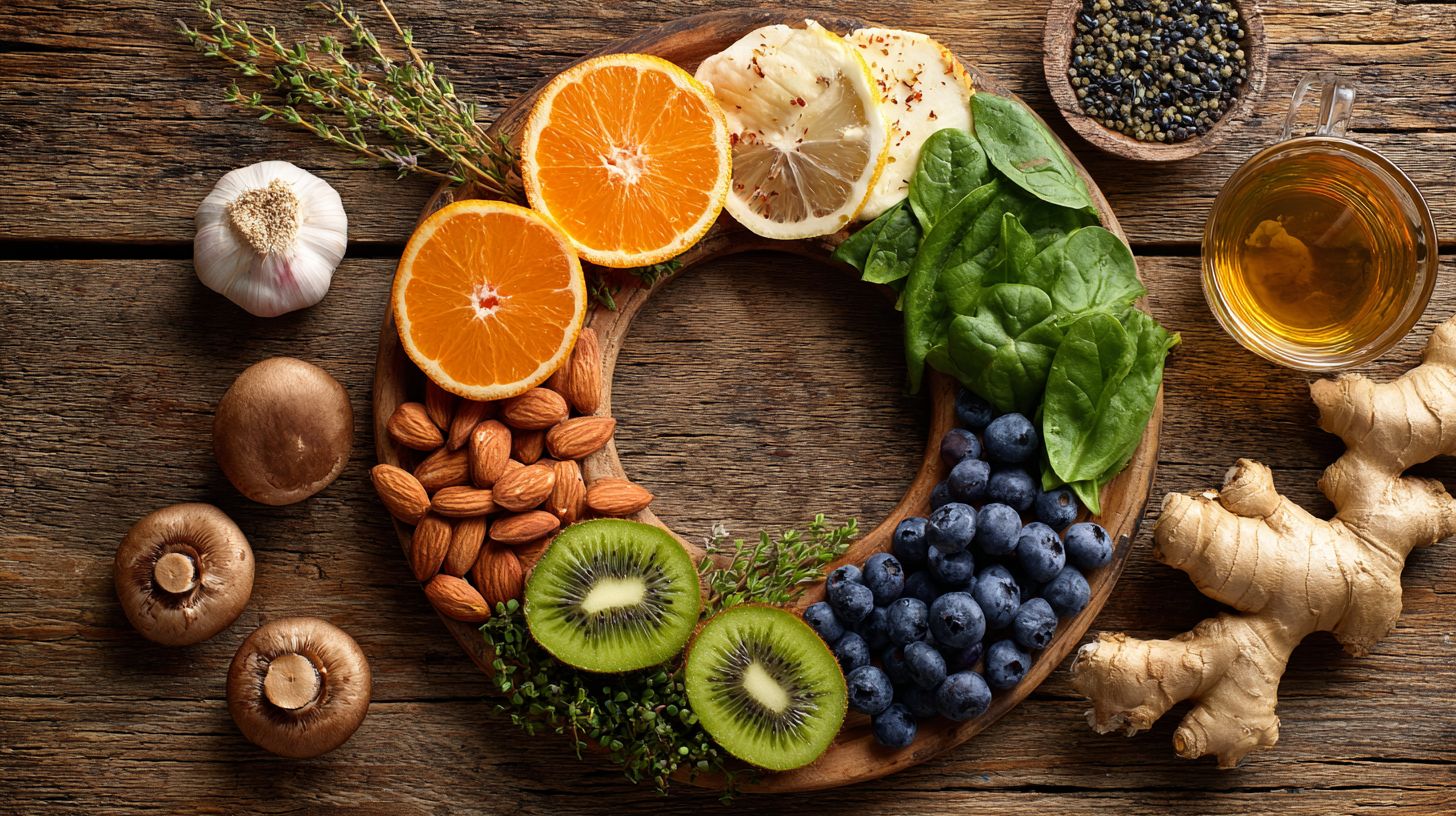
Vitamins act as immune system conductors, with vitamin C leading the charge in white blood cell function according to NIH research.
Entry-level vitamins include vitamin C from oranges and strawberries, which aid lymphocyte production. Vitamin D in fatty fish like salmon supports innate immunity by regulating macrophages. Deficiency signs like frequent colds signal low levels.
Advanced synergy comes from vitamin A in sweet potatoes and vitamin E in almonds, protecting cell membranes. Foods like red bell peppers map to these for respiratory health. Watch for dry skin or fatigue as warning signs.
Expert cofactor interactions involve folate from lentils and iron from poultry, aiding B cell activation. Map broccoli and eggs to daily meals for immunoglobulin production. Consistent intake prevents gaps in adaptive immunity.
Why Focus on Antioxidants?
Free radicals from stress and pollution silently weaken immunity. Antioxidants form your cellular shield.
Think of antioxidants as firefighters quenching reactive oxygen species that damage cells. Berries, dark chocolate, and green tea rank high for polyphenols and catechins, curbing oxidative stress.
Immune boosting foods like blueberries and elderberries deliver flavonoids to reduce inflammation. Turmeric’s curcumin and ginger target free radicals, supporting phagocytosis enhancement. Aim for a handful of nuts or a cup of tea daily.
Pair sunflower seeds for vitamin E with olive oil to amplify protection. This strategy from the 12 foods builds resilience against seasonal allergies and chronic illness prevention through anti-inflammatory foods.
What Are the Best Ways to Incorporate Them?
Transform grocery bags into weekly immune defense with this 7-day meal rotation across all 12 foods. This planner uses themed days like Citrus Monday and Ferment Friday to make healthy eating simple and fun. Each day includes three meals plus snacks, drawing from immune boosting foods such as citrus fruits, berries, yogurt, and garlic.
Prep shortcuts save time, like batch-cooking probiotics rich yogurt or chopping ginger ahead. Shopping lists focus on fresh, nutrient-dense picks, with substitutions for allergies or preferences. Track progress with daily questions to build lasting immune health habits.
Rotate through vitamin C foods, zinc rich foods, and antioxidants to support gut health immunity and inflammation reduction. Pair with hydration and sleep for full boost immunity effects. This approach fits busy schedules in the 2026 guide.
7-Day Immune Boosting Meal Planner
Citrus Monday kicks off with oranges, kiwi, and papaya for vitamin C. Enjoy orange smoothies for breakfast, papaya salad at lunch, and kiwi yogurt parfait as snack. Dinner features grilled poultry with citrus glaze alongside broccoli.
Berry Tuesday highlights strawberries, blueberries, and elderberries with antioxidants. Start with blueberry oats, snack on strawberry almonds, and have a berry-spinach salad for lunch. End with salmon topped with elderberry sauce.
Greens Wednesday spotlights spinach, sweet potatoes, and red bell peppers for folate and vitamin A. Try spinach omelets with eggs, roasted sweet potato snacks, bell pepper stir-fry lunch, and turkey with greens dinner. These cruciferous vegetables aid detoxification.
| Day | Theme | Key Foods |
|---|---|---|
| Monday | Citrus | Oranges, kiwi, papaya, broccoli |
| Tuesday | Berry | Strawberries, blueberries, elderberries, spinach |
| Wednesday | Greens | Spinach, sweet potatoes, red bell peppers, eggs |
| Thursday | Zinc Power | Almonds, sunflower seeds, shellfish, poultry |
| Friday | Ferment | Yogurt, kefir, sauerkraut, kombucha |
| Saturday | Spice | Garlic, ginger, turmeric, onions |
| Sunday | Mushroom Mix | Mushrooms, green tea, fatty fish, lentils |
Zinc Power Thursday uses almonds, sunflower seeds, shellfish, and poultry for immune cell support. Snack on almond trail mix, lunch with tuna salad, dinner of shrimp stir-fry. These provide selenium and zinc for white blood cells.
Ferment Friday boosts probiotics with yogurt, kefir, sauerkraut, and kombucha for microbiome balance. Breakfast kefir smoothie, sauerkraut snack with carrots, yogurt chicken lunch, kombucha with fermented veggies dinner. Gut health immunity thrives here.
Spice Saturday features garlic, ginger, turmeric, onions for allicin and curcumin. Ginger tea breakfast, garlic hummus snack, turmeric lentil soup lunch, onion-garlic fish dinner. These offer anti-inflammatory foods and antiviral benefits.
Mushroom Mix Sunday ends with mushrooms, green tea, fatty fish, and lentils for beta glucans and omega 3. Shiitake omelet breakfast, green tea with seed snack, salmon lentil bowl lunch, mushroom stir-fry dinner. Rest and reflect on the week.
Prep Shortcuts and Shopping Lists
Batch-prep on Sunday: Chop garlic, ginger, onions, and bell peppers for the week. Make big pots of turmeric lentil soup or roast sweet potatoes to portion out. These prep shortcuts cut daily cooking to under 20 minutes.
- Proteins: Poultry, eggs, salmon, tuna, shellfish, lentils
- Fruits: Oranges, strawberries, blueberries, kiwi, papaya, elderberries
- Veggies: Spinach, broccoli, sweet potatoes, red bell peppers, mushrooms, onions
- Dairy/Ferments: Yogurt, kefir, sauerkraut, kombucha
- Other: Almonds, sunflower seeds, garlic, ginger, turmeric, green tea
Shop organic where possible for nutrient dense foods. Focus on seasonal produce like fresh berries and citrus. Total list serves one person, adjust for family by doubling.
Substitutions and Progress Tracker
Substitutes keep it flexible: Swap shellfish for beans if avoiding seafood, use silken tofu for yogurt in vegan plans, or pineapple for papaya. For nightshade-free, replace bell peppers with zucchini. Always prioritize plant based immunity options.
Track weekly with these questions after each day: Did I feel more energized? Any cold symptoms reduced? How was digestion with fermented foods? Note wins like better sleep from omega 3 rich salmon.
Adjust based on responses for next week. Combine with exercise and stress reduction foods like green tea for optimal immune response. This builds adaptive immunity over time.
Frequently Asked Questions
What are the 12 Foods You Should Eat to Strengthen Your Immune System (Guide 2026)?
The 12 Foods You Should Eat to Strengthen Your Immune System (Guide 2026) include citrus fruits like oranges and lemons for vitamin C, garlic for its allicin content, ginger for anti-inflammatory properties, yogurt with live cultures for gut health, spinach rich in vitamins A and C, almonds for vitamin E, turmeric for curcumin, green tea for antioxidants, berries like blueberries for flavonoids, kiwi for immune-boosting vitamins, sweet potatoes for beta-carotene, and mushrooms like shiitake for beta-glucans. Incorporating these into your diet can significantly enhance immune function according to the Guide 2026.
Why should I follow the 12 Foods You Should Eat to Strengthen Your Immune System (Guide 2026)?
Following the 12 Foods You Should Eat to Strengthen Your Immune System (Guide 2026) helps provide essential nutrients like vitamins, minerals, and antioxidants that support white blood cell production, reduce inflammation, and fight oxidative stress. This guide is updated for 2026 with the latest research, making it a reliable way to bolster defenses against infections and illnesses.
How do I incorporate the 12 Foods You Should Eat to Strengthen Your Immune System (Guide 2026) into my daily meals?
To incorporate the 12 Foods You Should Eat to Strengthen Your Immune System (Guide 2026), start your day with a smoothie blending berries, kiwi, and spinach; add garlic and ginger to lunches like stir-fries; snack on almonds and yogurt; enjoy sweet potatoes for dinner; sip green tea; and use turmeric in curries or golden milk. Aim for variety to cover all 12 foods weekly as recommended in the Guide 2026.
Are the 12 Foods You Should Eat to Strengthen Your Immune System (Guide 2026) suitable for everyone?
Yes, the 12 Foods You Should Eat to Strengthen Your Immune System (Guide 2026) are generally suitable for most people, but consult a doctor if you have allergies (e.g., to nuts or dairy), digestive issues, or are on medications, as foods like garlic or turmeric may interact. The guide emphasizes whole, natural foods accessible for vegetarian, vegan, or omnivore diets.
What makes the 12 Foods You Should Eat to Strengthen Your Immune System (Guide 2026) different from older guides?
The 12 Foods You Should Eat to Strengthen Your Immune System (Guide 2026) is updated with 2026 research on microbiome health, incorporating more emphasis on fermented foods like yogurt and mushrooms, while refining portions based on new studies on bioavailability. It surpasses older guides by integrating post-pandemic immune science for optimal efficacy.
Can eating the 12 Foods You Should Eat to Strengthen Your Immune System (Guide 2026) replace vaccinations or medications?
No, eating the 12 Foods You Should Eat to Strengthen Your Immune System (Guide 2026) supports but does not replace vaccinations, medications, or medical treatments. It enhances natural immunity through nutrition, but for specific health conditions or prevention, follow professional medical advice alongside this dietary guide.