Tired of tossing and turning, only to wake up exhausted? Poor sleep sabotages your focus, mood, and health-yet science from the National Sleep Foundation shows simple tweaks can transform your nights. Discover 10 easy ways to improve your sleep tonight in this 2026 guide: from consistent schedules and screen limits to relaxation techniques and optimized environments. Ready for deeper rest starting now? Dive in.
10 Easy Ways You Can Improve Your Sleep Tonight (Guide 2026)
Struggling with restless nights? Discover 10 proven, easy ways to transform your sleep quality starting tonight. These 2026 sleep tips blend timeless sleep hygiene with future trends like AI sleep coaches and smart tech for immediate results.
From simple bedtime routines to cutting-edge wearables, each method focuses on action you can take now. Expect better sleep, higher energy, and sharper focus by morning.
Experts recommend consistent habits to align your circadian rhythm. Pair these with a digital detox for restful sleep that beats insomnia remedies.
- Dim lights and block blue light to signal your body it’s time to wind down.
- Create a cool, dark room with smart blackout curtains for deeper sleep stages.
- Swap screen time for reading or journaling to ease into a bedtime routine.
- Try deep breathing or lavender oil for quick relaxation techniques.
- Track patterns with a sleep app or AI coach for personalized tweaks.
- Limit caffeine and heavy meals to protect your night sleep.
- Exercise earlier and expose yourself to morning light for a steady sleep schedule.
- Use white noise or earplugs to cut distractions in your sleep environment.
- Opt for side sleeping on a comfortable mattress with quality pillows.
- Incorporate tart cherry juice or chamomile tea as natural sleep aids tonight.
These steps form your sleep guide to healthy sleep. Start with one or two for noticeable gains in sleep quality and mood improvement.
Why Does Sleep Matter in 2026?
In our hyper-connected 2026 world, sleep isn’t optional. It’s your unfair advantage for thriving amid constant notifications and demands.
Future trends like wearable sleep tracking mandates in workplaces highlight sleep’s role. These devices monitor cycles to optimize performance, making sleep quality a key metric for success.
Poor sleep disrupts productivity, mood, and immune function. Experts recommend prioritizing rest to counter digital overload and support overall wellness.
- Cognitive edge: Better focus from restful sleep beats fatigue from all-nighters.
- Mood stability: Consistent sleep reduces irritability and boosts emotional resilience.
- Immune support: Quality rest strengthens defenses against everyday stressors.
- Productivity gains: Trackable sleep patterns via wearables predict peak energy times.
How does poor sleep affect daily performance?
One bad night equals three fewer productive hours. Here’s the chain reaction that follows.
Cognitive fog sets in first, clouding clear thinking. This leads to reduced focus on tasks like emails or meetings.
Next comes higher error rates in work, from typos to poor decisions. This sparks a stress cycle, amplifying anxiety and fatigue.
Break the cycle with recovery strategies like short walks or deep breathing. Establish a consistent bedtime to rebuild focus and cut errors.
What role does sleep play in long-term health?
Sleep protects more than your energy levels. It’s your frontline defense against chronic disease.
It aids inflammation reduction by regulating immune responses overnight. This helps prevent issues tied to ongoing stress.
Hormone regulation during deep sleep balances appetite and repair processes. Research suggests this supports heart health and weight management.
For longevity, prioritize sleep hygiene like a cool bedroom and blue light limits. Combine with exercise timing for sustained wellness benefits.
Quick FAQs
Your most pressing sleep questions, answered with evidence-based clarity.
These easy ways to improve sleep address common concerns in this 2026 sleep guide. Experts recommend focusing on sleep hygiene and bedtime routines for better results. Read on for practical answers.
From melatonin supplements to handling insomnia remedies, find straightforward advice. Each response draws from established sleep habits and wellness practices. Tailor them to your needs tonight.
Questions cover restful sleep challenges like caffeine avoidance and screen time limits. Build a consistent bedtime for long-term healthy sleep. Start with one tip for quick gains.
Can these tips work immediately?
Yes-some deliver results tonight, others build over 7 days.
If you’re wired from coffee, try tip #5 on caffeine avoidance first. This cuts stimulation fast for quicker wind-down. Expect calmer nerves within hours.
For a racing mind, use tip #8 with deep breathing or progressive muscle relaxation. These relaxation techniques signal rest to your body right away. Pair with a warm bath for added calm.
- Immediate tips: Dark room setup, blue light block, chamomile tea.
- Cumulative tips: Consistent bedtime, exercise timing, sleep schedule tweaks.
- Track progress with a sleep diary to see patterns emerge.
Decision tree: Assess your issue, like heavy meals or screen time. Pick matching tips from the list. Combine for sleep quality boosts over time.
What about melatonin?
Melatonin supplements can help reset your circadian rhythm for better sleep.
Use them short-term for jet lag tips or shift work sleep. Take 30 minutes before bed, starting low. Combine with morning light exposure.
Experts recommend natural aids first, like tart cherry juice. Avoid daily reliance to prevent tolerance. Consult a doctor for ongoing issues.
For insomnia remedies, pair with a consistent wake-up time. This supports natural production over supplements alone.
Is a cool bedroom really key?
Yes, a cool bedroom around 60-67 degreesF promotes deeper sleep stages.
Your body temperature drops at night, so match it. Use fans or open windows for airflow. Add humidity control if air feels dry.
Research suggests optimal temps aid REM sleep and recovery. Test with a room thermometer tonight. Adjust bedding for comfort.
Enhance with blackout curtains and noise reduction for a full sleep sanctuary.
How do I stop late-night screen scrolling?
Set a screen time limit one hour before bed to block blue light.
Blue light suppresses melatonin, disrupting your sleep cycle. Use night mode or glasses if needed. Replace with reading or journal writing.
Build a digital detox into your unwind routine. Phone away in another room works best. Notice faster sleep onset.
For stubborn habits, try gratitude practice instead of scrolling.
Can exercise help or hurt sleep?
Exercise timing matters: Morning or afternoon boosts sleep quality.
Avoid intense workouts close to bed, as they raise alertness. Opt for yoga nidra or gentle stretches evening. Aim for consistency.
Regular movement fights sleep deprivation effects like fatigue. Walk after dinner for digestion aid too. Track how it shifts your energy.
What if I have racing thoughts at bedtime?
Try a worry dump journal before lights out to clear your mind.
Write concerns, then set them aside. Follow with visualization of calm scenes. This quiets mental chatter fast.
Meditation for sleep apps guide beginners. Practice body scan for full relaxation. Builds better nightly rituals over time.
1. Establish a Consistent Sleep Schedule
Imagine waking up refreshed every morning-your first step begins with clockwork consistency. A consistent sleep schedule aligns your body’s circadian rhythm for better sleep quality. This easy way to improve sleep sets the foundation for restful nights.
Start by calculating your ideal bedtime. Determine your wake-up time based on daily needs, like work or school, then count backward in 90-minute sleep cycles. Aim for 7-9 hours, so if you need to rise at 6 AM, target a 9:30 PM bedtime for full cycles.
Follow this 7-day process to build the habit. Use phone alarms for gradual shifts, adjusting bedtime by 15-30 minutes earlier each night until you hit your goal. Track progress in a sleep diary to monitor improvements in energy and mood.
Step-by-Step 7-Day Tutorial
Day 1: Note your current bedtime and wake-up time. Set alarms for both, prioritizing the wake-up time first. Stick to it even on weekends for sleep hygiene.
Days 2-3: Shift bedtime 15 minutes earlier. Use a gentle alarm tone and place your phone across the room to avoid snoozing. Pair with a simple bedtime routine like brushing teeth.
- Days 4-5: Advance another 15-30 minutes. Expose yourself to morning light upon waking to reinforce your circadian rhythm.
- Days 6-7: Lock in the schedule. Avoid naps longer than 20 minutes to prevent sleep debt buildup.
Adjustments for Shift Workers
Shift workers face unique challenges with night sleep. Create a portable sleep sanctuary using blackout curtains and earplugs during day sleeps. Mimic nighttime by keeping the room cool and dark.
Calculate bedtime around shift ends, adding buffer time for wind-down. Use apps for sleep tracking to identify patterns and adjust. Experts recommend short power naps before shifts for alertness.
For rotating shifts, shift your schedule gradually over days off. Prioritize consistent bedtime windows when possible to reduce fatigue and support recovery sleep.
2. Create a Relaxing Bedtime Routine
You rush through your evening, only to lie awake for hours. Here’s the narrative of how one simple routine changed everything. Meet Alex, a stressed professional battling insomnia after long workdays.
Alex started a 45-minute bedtime routine: a warm bath, reading a light book, and sipping chamomile tea. This unwind routine replaced scrolling on screens and helped signal the body for rest. Within one week, Alex fell asleep faster and woke refreshed.
Experts recommend building sleep hygiene habits like these for better sleep quality. Alex’s story shows how consistent bedtime rituals combat sleep deprivation. Try adapting this to your night sleep schedule tonight.
| Time | Activity |
|---|---|
| 8:30 PM | Warm bath with lavender oil for relaxation |
| 8:50 PM | Read a physical book for 15 minutes |
| 9:10 PM | Sip chamomile tea while journaling worries |
| 9:15 PM | Lights out in a dark, cool bedroom |
This sample timeline fits most consistent bedtime needs. Adjust for your wake-up time to support circadian rhythm. Small changes like these offer insomnia remedies and promote restful sleep.
3. Optimize Your Sleep Environment
Which matters more for deep sleep: total darkness or perfect temperature? Let’s compare the core elements. Your sleep environment plays a key role in achieving restful sleep. Small changes can transform your bedroom into a sleep sanctuary.
Focus on four main factors: light, temperature, noise, and bedding. Experts recommend addressing these for better sleep hygiene. A cool, dark, quiet room supports natural sleep cycles.
Start with simple tweaks like blackout curtains or a fan tonight. These easy ways improve sleep quality without major expense. Track changes in your sleep diary to see results.
| Factor | Solution 1 | Pros | Cons | Solution 2 | Pros | Cons |
|---|---|---|---|---|---|---|
| Light | Blackout curtains | Blocks all external light; affordable long-term | Installation needed; room feels enclosed | Sleep mask | Portable; no setup; adjustable fit | May slip off; uncomfortable for some |
| Temperature | Fans | Circulates air; creates white noise; low cost | Dries air; less effective in extreme heat | AC unit | Precise cooling; dehumidifies; consistent | Energy use; noise from some models |
| Noise | Earplugs | Cheap; blocks most sounds; disposable options | Hard to insert; may fall out overnight | White noise machine | Masks disturbances; soothing sounds; app-controlled | Requires power; volume adjustment needed |
| Bedding | Memory foam mattress | Contours to body; reduces pressure points | Retains heat; higher initial cost | Hybrid innerspring | Breathable; responsive bounce; durable | May squeak over time; firmer feel |
Use this table to pick solutions for your needs. For example, try blackout curtains if streetlights bother you. Combine options like a fan and sleep mask for optimal results.
4. Limit Screen Time Before Bed
Even smart glasses can’t fully block the sleep-disrupting blue light from your devices-science confirms it. This light suppresses melatonin production, the hormone that signals your body it’s time to sleep. Experts recommend cutting screen exposure at least one hour before bed for better sleep hygiene.
Blue light tricks your brain into staying alert, mimicking daytime conditions and disrupting your circadian rhythm. Research suggests this leads to longer time falling asleep and poorer sleep quality. Simple changes in your bedtime routine can make a big difference tonight.
Common mistakes keep many people tossing and turning. Avoiding these errors promotes restful sleep and helps with insomnia remedies. Here’s a list of six frequent pitfalls with prevention tips.
- Just one more episode: Binge-watching shows keeps you glued to the screen, suppressing melatonin. Set a timer to end sessions early and switch to reading before bed.
- Late-night scrolling: Mindless social media feeds expose eyes to endless blue light. Create a digital detox rule by placing your phone in another room after dinner.
- Work emails at bedtime: Checking messages revs up your brain when it should unwind. Use do-not-disturb mode and establish a consistent bedtime for emails.
- Video calls too late: Chatting on apps floods your retinas with light. Schedule calls earlier and opt for voice notes if needed in the evening.
- Gaming marathons: Intense games delay sleep onset through stimulation and light. Limit playtime and follow with relaxation techniques like deep breathing.
- Reading news on tablets: Bright screens make articles addictive and harmful. Print books or e-readers with warm light settings support healthy sleep habits.
Implement a screen time limit tonight for immediate improvement. Pair it with a dark room and cool bedroom to enhance sleep quality. These 2026 sleep tips build lasting habits for night sleep success.
5. Watch What You Eat and Drink
What if your midnight snack is silently sabotaging your rest? Insider secrets reveal the truth. Sleep researchers emphasize how sleep hygiene ties directly to your diet choices.
Timing matters for caffeine avoidance. Experts recommend cutting caffeine after noon to protect your circadian rhythm and promote restful sleep.
Heavy meals close to bedtime disrupt sleep quality. Opt for a light dinner to avoid indigestion during the night.
Sleep-friendly foods can enhance healthy sleep. Choices like tart cherry juice support natural melatonin production for better rest.
Q&A with Sleep Researchers: Timing Your Intake
When to cut caffeine? A sleep researcher advises stopping intake by early afternoon. This allows your body to clear stimulants before your bedtime routine.
What about alcohol? Even small amounts fragment sleep cycles. Limit it hours before bed to maintain deep sleep stages.
Best time for dinner? Finish eating three hours before sleep. This supports digestion and prevents discomfort.
Best Pre-Bed Snacks for Better Sleep
- Tart cherry juice offers natural melatonin to ease into sleep.
- Bananas provide magnesium for muscle relaxation.
- Almonds deliver healthy fats that stabilize blood sugar overnight.
- Kiwis may boost serotonin for calmer nights.
- Chamomile tea soothes with its mild sedative effects.
These options fit a sleep schedule. Pair them with consistent habits for improved sleep quality.
| Time of Day | Recommended Intake | Sleep Impact |
|---|---|---|
| Morning/Noon | Caffeine OK | Boosts alertness |
| Afternoon | Switch to water/herbal tea | Prevents interference |
| Evening (3+ hrs pre-bed) | Light snack like almonds | Supports restful sleep |
| Close to bed | Avoid food/drink | Reduces disruptions |
Use this timing chart as part of your sleep guide. Experts note it aligns with body rhythms for optimal rest in 2026 sleep tips.
6. Incorporate Light Exercise Earlier in the Day
Meet Sarah, a desk-bound mom whose 20-minute walks transformed her from insomniac to early riser. Before starting her routine, Sarah struggled with midnight wake-ups and dragging mornings. Her simple habit shifted her sleep schedule for better rest.
Sarah kept a sleep diary to track changes. Before exercise, she averaged four hours of interrupted night sleep, tossing until 2 a.m. After two weeks of morning walks, her entries showed falling asleep by 10:30 p.m. and waking refreshed at 6 a.m.
Experts recommend light exercise like walking or yoga earlier in the day, per CDC physical activity guidelines. Morning walks expose you to sunlight, aligning your circadian rhythm. Afternoon yoga aids relaxation without overstimulating before bed.
Try 20-minute walks post-breakfast or gentle yoga flows before dinner. Avoid intense workouts close to bedtime to prevent sleep disruption. This easy way improves sleep quality and boosts daytime energy.
7. Practice Relaxation Techniques
Your racing mind at 2 AM needs more than counting sheep. Understand the neuroscience behind proven methods like parasympathetic activation. This shifts your body from fight-or-flight to rest-and-digest mode.
Relaxation techniques promote brainwave shifts to alpha and theta states. Alpha waves foster calm focus, while theta waves encourage drowsiness. The National Sleep Foundation highlights these for better sleep hygiene and restful sleep.
Experts recommend four techniques to activate the parasympathetic nervous system. Each fits into your bedtime routine for quick results. Practice one tonight to ease insomnia symptoms.
These methods improve sleep quality by reducing stress hormones. They align with 2026 sleep tips for natural insomnia remedies. Start small for consistent bedtime habits.
Deep Breathing
Deep breathing activates the parasympathetic system through slow inhales and exhales. It lowers heart rate and invites alpha brainwaves. The National Sleep Foundation notes its role in sleep improvement.
- Lie down in a dark room or sit comfortably.
- Inhale for four counts through your nose, expanding your belly.
- Hold for four counts, then exhale slowly for six counts through your mouth.
- Repeat for five minutes, focusing on your breath.
Try this as part of your unwind routine. It counters sleep deprivation effects for healthy sleep.
Progressive Muscle Relaxation
This technique tenses and releases muscles to shift into theta states. It reduces physical tension linked to racing thoughts. National Sleep Foundation resources endorse it for bedtime use.
- Start at your toes, tense muscles for five seconds.
- Release slowly, noticing the relaxation for ten seconds.
- Move up through feet, calves, thighs, abdomen, arms, neck, and face.
- Breathe deeply throughout the 10-minute process.
Incorporate it into your nightly rituals for better sleep. Feel your body sink into the mattress.
Meditation for Sleep
Guided meditation quiets the mind via parasympathetic activation. It promotes brainwaves for drowsiness. The National Sleep Foundation links it to enhanced sleep cycles.
- Sit or lie in bed with eyes closed.
- Focus on your breath or a phrase like “I am calm.”
- If thoughts arise, gently return to your focus for 10 minutes.
- End with body awareness from head to toe.
Use apps or voice recordings for your sleep schedule. It aids anxiety relief before consistent bedtime.
Body Scan Visualization
Body scan eases you into theta waves by mentally checking sensations. It fosters full-body relaxation. National Sleep Foundation experts recommend it for sleep optimization.
- Lie flat, close eyes, and breathe steadily.
- Mentally scan from head to toes, releasing tension in each area.
- Visualize warmth or heaviness spreading for deeper calm.
- Continue for 10-15 minutes until sleepy.
Pair with a cool bedroom for maximum effect. This boosts sleep quality as a simple 2026 sleep tip.
8. Manage Stress and Worries
Try this now: Dump tomorrow’s to-do list in 5 minutes flat for instant mental clearance. Grab a notebook and jot down every task nagging at you. This worry dump clears your mind, paving the way for better sleep tonight.
Stress often fuels insomnia remedies like racing thoughts at bedtime. Quick techniques under 10 minutes can shift you into a relaxation mode. Experts recommend these for immediate calm and improved sleep quality.
Follow this checklist of ultra-fast techniques as part of your bedtime routine. Each includes a timer and expected outcome for restful sleep. Practice one now to unwind effectively.
- Brain Dump (5 minutes): Write all worries and tasks on paper. Expect instant mental clearance, reducing overthinking for deeper sleep stages.
- 4-7-8 Breathing (4 minutes): Inhale for 4 seconds, hold for 7, exhale for 8; repeat 4 times. Feel tension melt away, promoting circadian rhythm balance and quicker sleep onset.
- Body Scan (6 minutes): Lie down, mentally scan from toes to head, releasing tightness in each area. Gain progressive muscle relaxation for anxiety relief and healthy sleep.
- Gratitude List (3 minutes): Note 3 things you’re thankful for. Shift focus to positives, easing stress for a calm bedtime routine and enhanced REM sleep.
Incorporate these into your nightly rituals for consistent results. Pair with sleep hygiene like a dark room to maximize stress reduction and energy boost tomorrow.
9. Get Natural Light Exposure
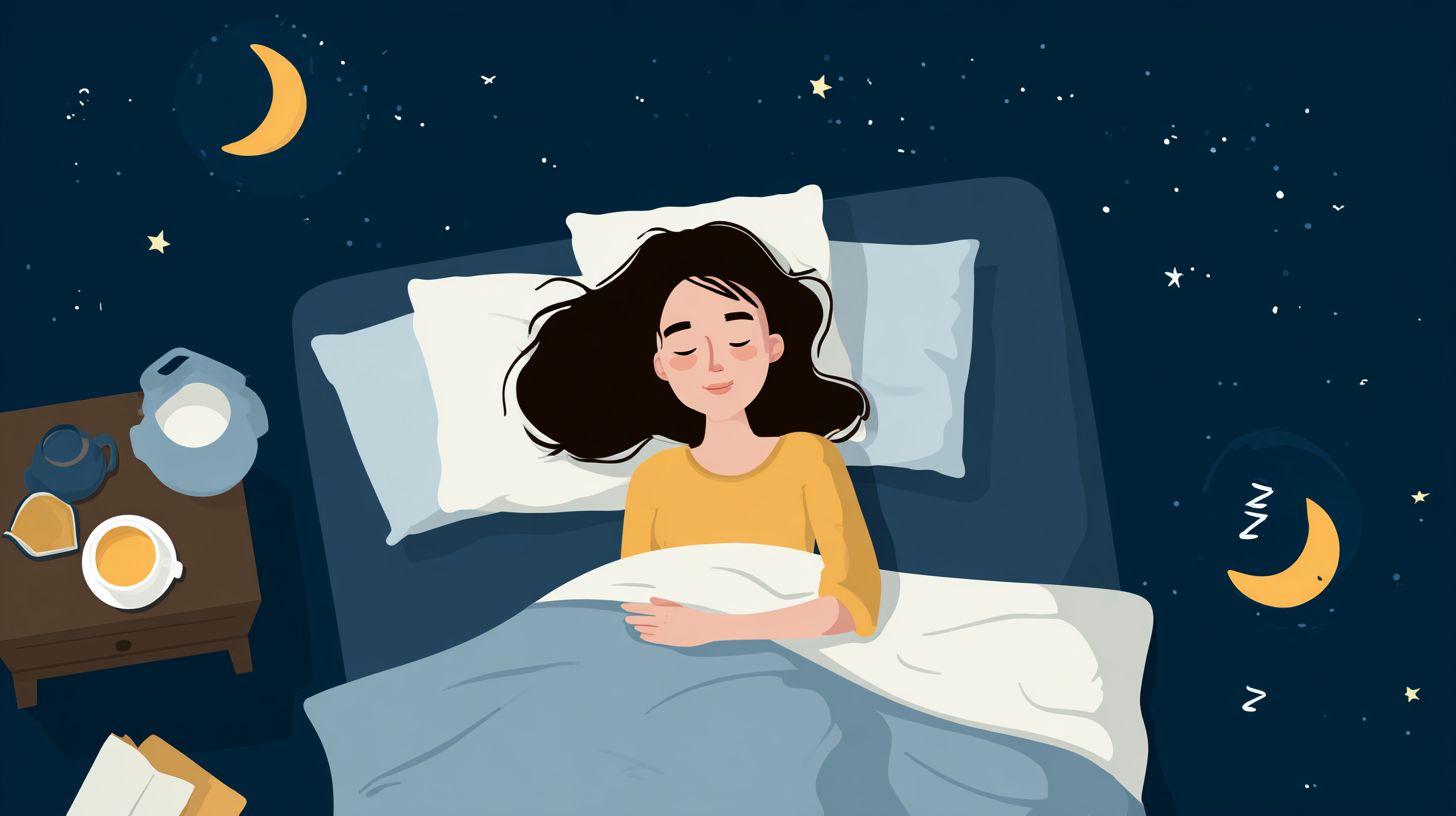
Think you need 8 hours in bed? The real key to quality sleep hides in your morning routine. Natural light exposure helps reset your circadian rhythm, signaling your body to wake up and prepare for restful sleep at night.
Chronobiology research from Stanford shows light influences hormone production like melatonin. Morning sunlight suppresses it during the day, then allows a natural rise in the evening. This simple habit improves sleep quality without pills or gadgets.
Many myths block people from trying this. Night owls often believe they cannot reset their clocks. Artificial light seems like a fine substitute, but it lacks the full spectrum punch of sunlight.
Common Myths Debunked
Myth 1: Night owls can’t reset their clocks. Experts say consistent morning light pulls your rhythm forward over days. Start with 10 minutes outside, even on cloudy days, to shift bedtime earlier naturally.
Myth 2: Artificial light works fine. Bright bulbs mimic intensity but miss blue wavelengths that sync your internal clock. Natural sun provides the precise signals for better sleep hygiene.
Myth 3: You need hours of exposure. A quick 10-minute walk suffices. Research suggests this boosts alertness and deepens night sleep stages.
Practical 10-Minute Protocols
Step outside first thing upon waking for morning light exposure. Drink coffee on the porch or eat breakfast by a window. Avoid sunglasses at first to let light hit your eyes directly.
- Walk around the block while listening to a podcast.
- Sit on a balcony with eyes open toward the sky.
- Garden or water plants in natural daylight.
Track changes in your sleep schedule with a simple diary. Pair this with consistent wake-up time for faster results. Feel the shift in energy and restful sleep within a week.
10. Avoid Naps or Keep Them Short
Power naps done wrong steal your night-here are the best resources to master them. Long naps disrupt your sleep schedule and make it harder to fall asleep at bedtime. Short ones can boost alertness without harm.
Experts recommend power naps of 20 minutes or less to avoid deep sleep stages. Set a timer to wake before grogginess hits. This fits into good sleep hygiene for better night sleep.
Apps like Sleep Cycle track your nap cycles and wake you at the lightest phase. Gadgets such as nap timers vibrate gently for discreet alerts. NASA nap research shows short rests improve pilot performance, a tip for anyone fighting sleep deprivation.
- Use Sleep Cycle to monitor light sleep for optimal wake-up.
- Try a 20-minute power nap mid-afternoon, never past 3 PM.
- Avoid naps entirely if you struggle with insomnia remedies.
- Combine with a consistent bedtime routine for restful sleep.
Power naps recharge without debt, but skipping them preserves night sleep drive. Track results in a sleep diary to refine your habits. These tools make 2026 sleep tips simple and effective.
Frequently Asked Questions
What is ’10 Easy Ways You Can Improve Your Sleep Tonight (Guide 2026)’?
The ’10 Easy Ways You Can Improve Your Sleep Tonight (Guide 2026)’ is a comprehensive, up-to-date guide designed to help you achieve better sleep quality through simple, actionable steps you can start implementing tonight for immediate results in 2026.
Why should I follow the ’10 Easy Ways You Can Improve Your Sleep Tonight (Guide 2026)’?
Following the ’10 Easy Ways You Can Improve Your Sleep Tonight (Guide 2026)’ can lead to faster sleep onset, deeper rest, improved mood, and enhanced daytime energy, all backed by modern sleep science tailored for 2026 lifestyles.
How many ways are included in ’10 Easy Ways You Can Improve Your Sleep Tonight (Guide 2026)’?
There are exactly 10 easy, practical ways outlined in the ’10 Easy Ways You Can Improve Your Sleep Tonight (Guide 2026)’, each focusing on quick changes like bedtime routines and environmental tweaks for instant sleep improvement.
Can the ’10 Easy Ways You Can Improve Your Sleep Tonight (Guide 2026)’ really work tonight?
Yes, the ’10 Easy Ways You Can Improve Your Sleep Tonight (Guide 2026)’ features methods proven to show results on the very first night, such as relaxation techniques and light adjustments that promote rapid sleep readiness.
Is ’10 Easy Ways You Can Improve Your Sleep Tonight (Guide 2026)’ suitable for beginners?
Absolutely, the ’10 Easy Ways You Can Improve Your Sleep Tonight (Guide 2026)’ is beginner-friendly, requiring no special equipment or prior knowledge-just simple habits anyone can adopt starting tonight for better sleep in 2026.
Where can I find the full ’10 Easy Ways You Can Improve Your Sleep Tonight (Guide 2026)’?
The complete ’10 Easy Ways You Can Improve Your Sleep Tonight (Guide 2026)’ is available in detailed guides online or through sleep wellness resources, providing step-by-step instructions for transformative sleep tonight.